F1 Accidentally Solves Its Dirty Air Problem
Early 2026 races suggest F1's new power unit rules may have accidentally solved the sport's persistent 'dirty air' issue. Large power differences between cars are allowing them to fight through turbulent air, proving that overpowering the aerodynamic problem works better than two decades of attempts to eliminate it through aero regulation alone.
Formula 1 appears to have stumbled upon a solution to its decades-long 'dirty air' problem, not through deliberate aerodynamic regulation but via the unintended power unit advantages created by the 2026 rules. The massive power offsets between cars have, in early races, allowed them to fight through turbulent air, suggesting that overpowering the wake may be more effective than trying to eliminate it aerodynamically.
Why it matters:
For over 20 years, F1 has invested immense resources into aerodynamic tweaks to reduce downforce loss when following another car, with limited success. The 2026 season's early evidence that a simple power advantage can negate this effect represents a fundamental shift in thinking. It suggests future regulations should prioritize creating competitive power differentials as a primary tool for improving racing, rather than relying solely on complex aero rules.
The details:
- The core issue is physics: a fast car will always create a turbulent wake, and downforce is non-negotiable for performance. Mercedes' James Allison has previously called controlling wakes a "tilting-at-windmills" challenge.
- The 2026 power unit regulations, focused on increased electrical energy and complex deployment strategies, have inadvertently created large momentary power differences between cars.
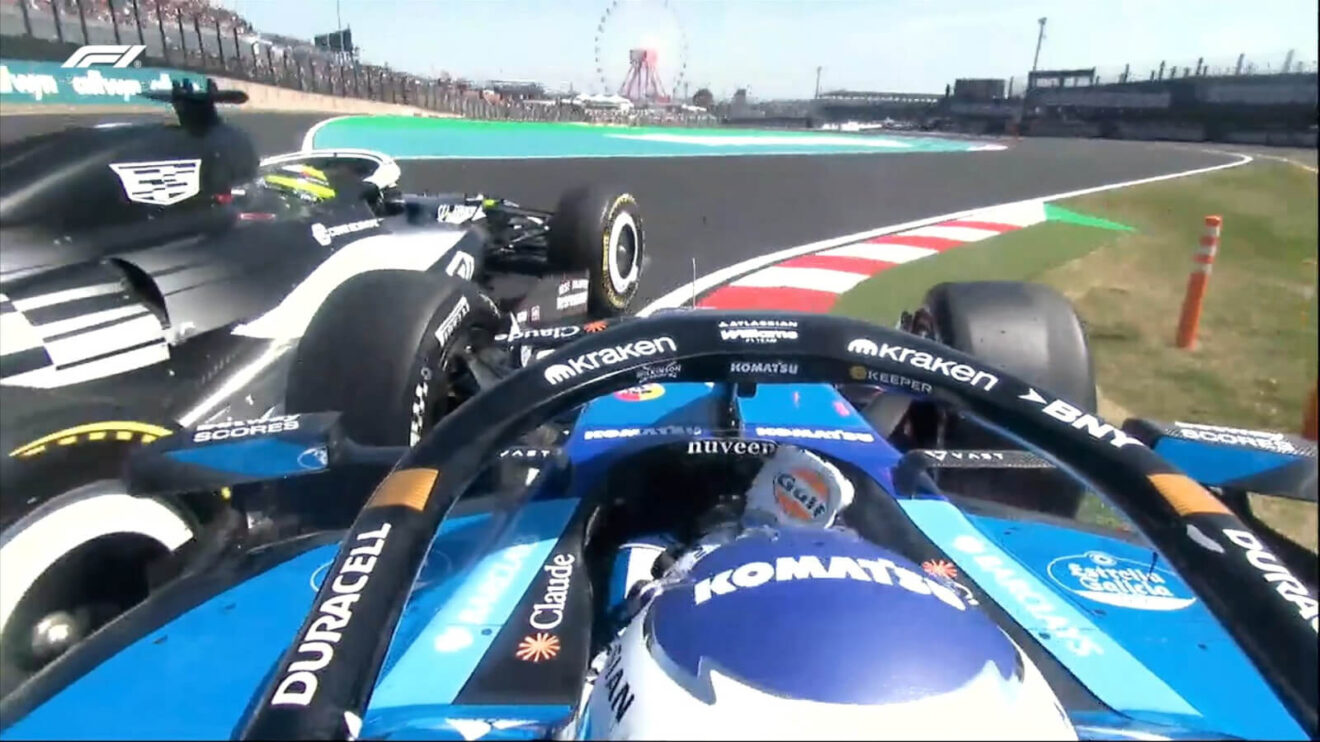
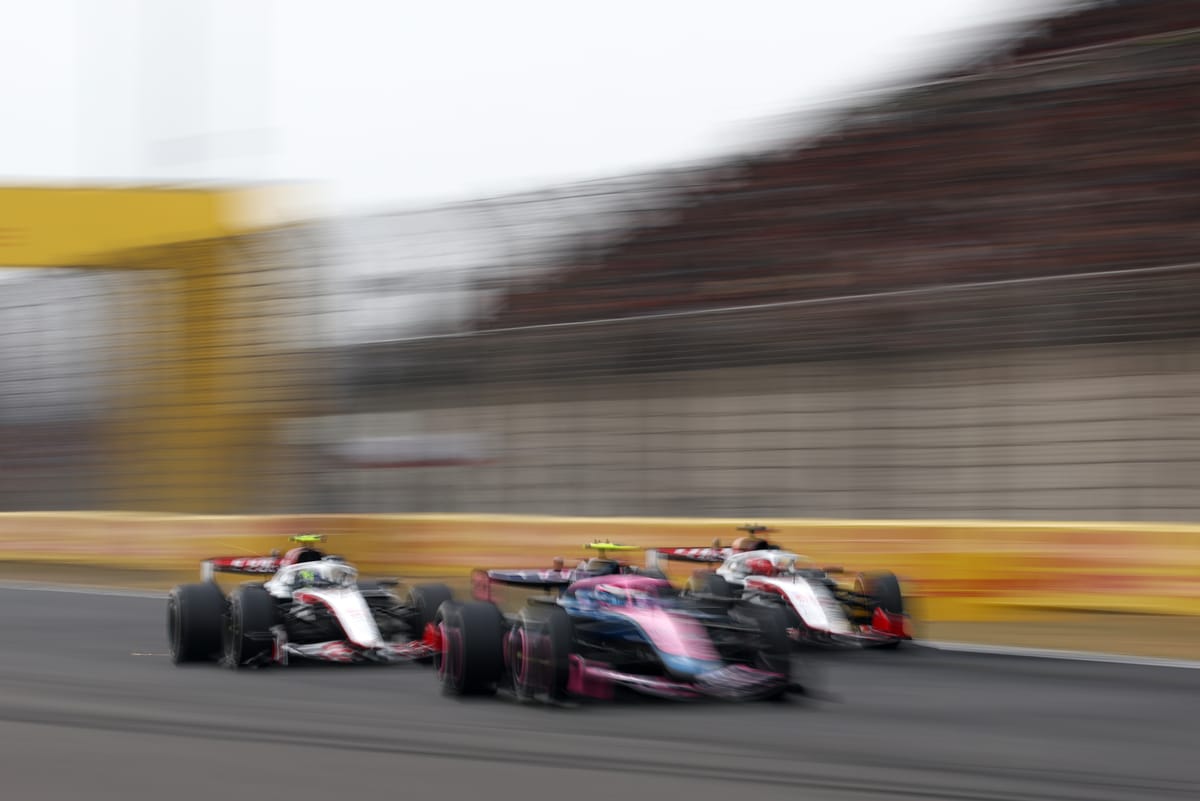
- Early Evidence: In the opening races in Australia and China, these power offsets have allowed cars to stay close and overtake, effectively overpowering the downforce loss from dirty air.
- Not a Complete Fix: The sample size is small, and processional midfield battles still occur. The extreme racing seen may not be the season-long norm, but the principle is proven.
What's next:
The lesson for F1's long-term future is clear: power differentials must be a key ingredient in the recipe for good racing.
- The challenge is designing a system that harnesses this principle without making racing feel artificial or unfair. A simple DRS-like advantage or a basic push-to-pass system (as used in IndyCar) is likely insufficient for F1's complexity.
- Future regulations could develop a more nuanced energy deployment system that allows for strategic overtaking power, giving both the attacker and defender tools to use.
- The 2026 season will serve as a vital case study. Data gathered on how and when these power offsets create exciting battles will be invaluable for crafting the next generation of technical and sporting rules, potentially solving the overtaking problem for good.
Don't miss the next lap
Get the deep dives and technical analysis from the world of F1 delivered to your inbox twice a week.
Zero spam. Only high-octane analysis. Unsubscribe anytime.
Join the inner circle
Get the deep dives and technical analysis from the world of F1 delivered to your inbox twice a week.
Zero spam. Only high-octane analysis. Unsubscribe anytime.
Continue Reading
View More News