F1 CEO Domenicali Urges Patience, Calls 2026 Criticism Premature
F1 CEO Stefano Domenicali has pushed back against early criticism of the 2026 cars, calling it premature. He acknowledges driver feedback on the new energy-harvesting driving style but urges patience, arguing the racing spectacle remains strong and that the FIA and teams will collaboratively refine the rules based on real-world data.
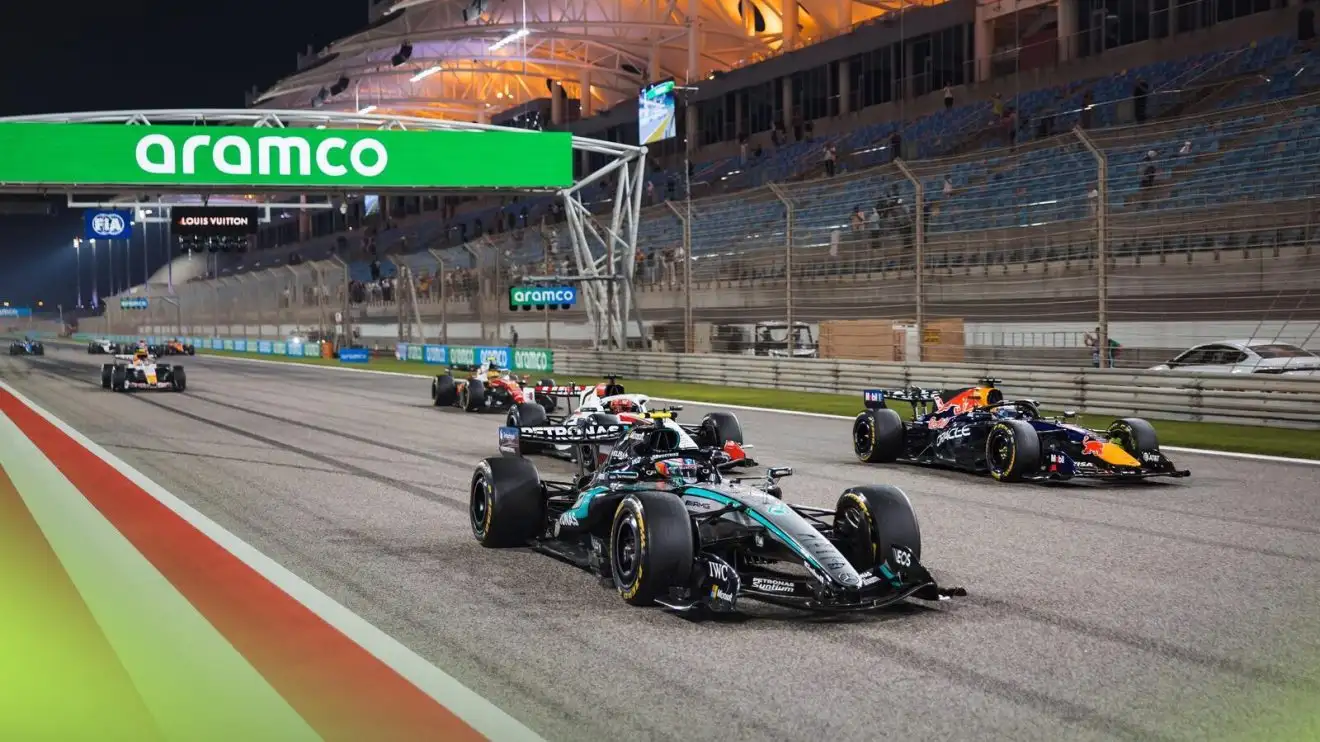
Formula 1 CEO Stefano Domenicali has dismissed early criticism of the sport's 2026 technical regulations as premature, urging fans and insiders to allow the new era time to settle. Speaking during pre-season testing in Bahrain, he emphasized that the core spectacle remains intact and expressed confidence that any initial issues will be addressed collaboratively by the FIA and teams.
Why it matters:
The 2026 regulations represent the most significant technical overhaul in a decade, shifting the power unit balance to a 50/50 split between internal combustion and electrical energy. Early driver complaints about a new, less intuitive driving style focused on energy management have sparked concerns about the on-track product. Domenicali's call for calm is a strategic move to manage narratives and prevent reactive changes before the full picture of the new cars' performance and raceability is clear.
The details:
- The 2026 cars feature drastically increased electrical energy, with the hybrid system now targeted to provide roughly half of the car's total power, up from around 20% in 2025.
- This shift mandates a new driving technique, where drivers must harvest significant energy on straights—sometimes requiring downshifts—or sacrifice mid-corner speed to recharge the battery for the next acceleration zone.
- A key visible change is a reduction in overall downforce and the introduction of active aerodynamics, making the cars more dynamic and prone to locking brakes or sliding under power compared to the previous "on-rails" ground effect generation.
- Domenicali argues that to the average fan, the difference is negligible, and the new rules may actually highlight driver skill more during braking and acceleration phases.
- Several items, including energy harvesting procedures at certain tracks, are already under formal review by the F1 Commission, demonstrating an open approach to iterative improvement.
What's next:
Domenicali's stance is that the sport's governance structure is prepared to make adjustments, but only after sufficient data is gathered. The current pre-season testing phase is viewed as a data-collection exercise, not a final product.
- The focus for now is on understanding the complex interplay between the new power units and chassis, separating genuine flaws from mere teething problems or performance variances between manufacturers.
- Historical precedent is on his side; similar skepticism greeted the 2014 hybrid introduction and the 2022 ground-effect rules, both of which evolved into successful competitive eras.
- The core expectation is that cars will develop rapidly, with hybrid system efficiency and energy deployment strategies becoming more refined and standardized as the season progresses, gradually masking the initial driver discomfort.
Don't miss the next lap
Get the deep dives and technical analysis from the world of F1 delivered to your inbox twice a week.
Zero spam. Only high-octane analysis. Unsubscribe anytime.
Join the inner circle
Get the deep dives and technical analysis from the world of F1 delivered to your inbox twice a week.
Zero spam. Only high-octane analysis. Unsubscribe anytime.