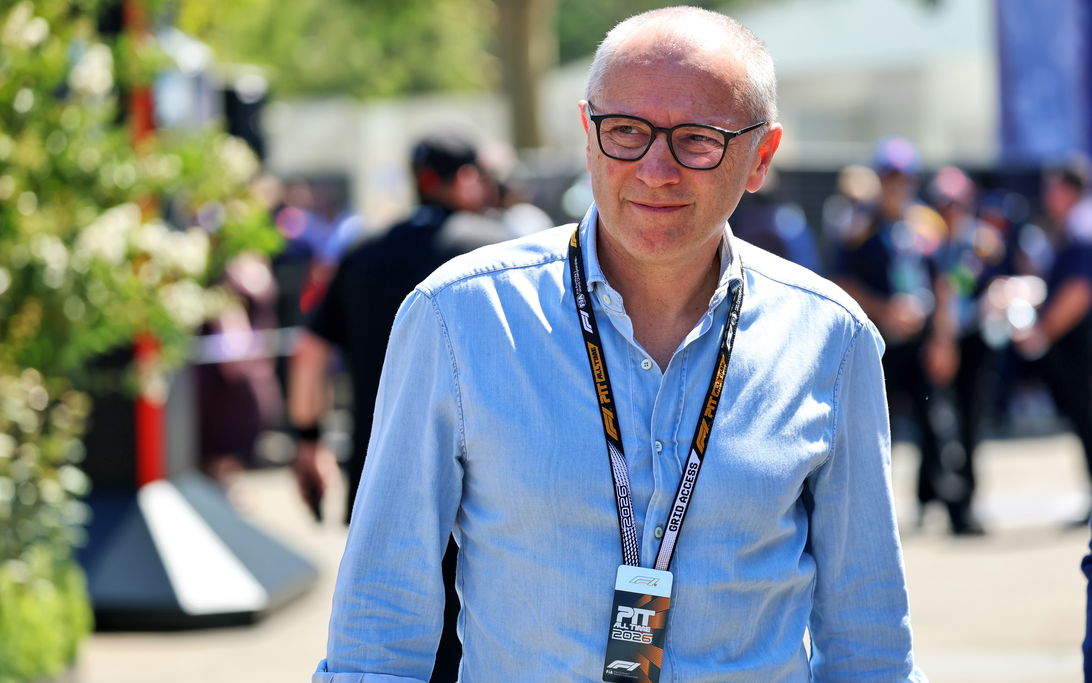
F1 CEO weighs calendar risks amid Middle East conflict
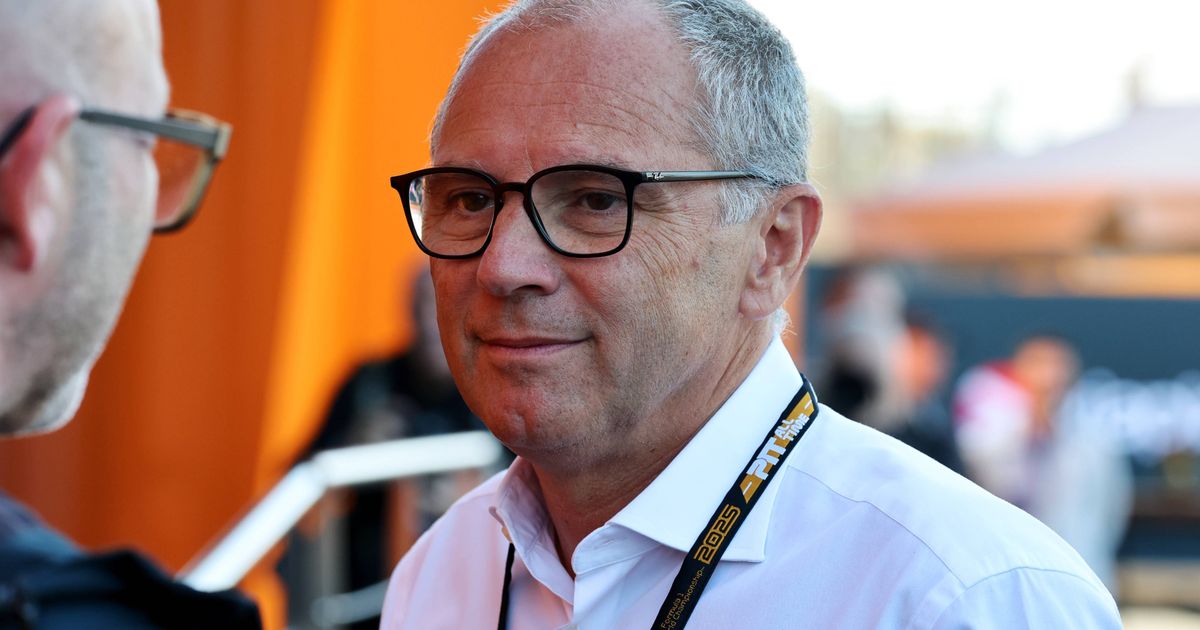
F1 CEO Stefano Domenicali says "all options are open" for the Bahrain and Saudi Arabian Grands Prix as regional conflict raises serious safety and logistical concerns. The sport may not replace the races if cancelled, with decisions to be made based on evolving risks.
Formula 1 CEO Stefano Domenicali has stated that "all options are open" for the upcoming races in Bahrain and Saudi Arabia, acknowledging the significant logistical and safety challenges posed by the escalating regional conflict. The sport faces the real prospect of not replacing the two scheduled grands prix if they cannot proceed, potentially creating a major gap in the early-season calendar.
Why it matters:
The opening rounds in Bahrain and Saudi Arabia are critical for setting the competitive tone of the season and represent major commercial commitments. Any cancellation or postponement would create immense logistical complexity for teams and broadcasters, disrupt the championship rhythm, and highlight the sport's vulnerability to geopolitical instability in key regions.
The details:
- Domenicali emphasized that any decision will prioritize safety for all stakeholders, including personnel, fans, and promoters, and will be made collectively as the situation evolves.
- The recent attacks in Bahrain forced the cancellation of a Pirelli tire test, requiring F1 to urgently safeguard its personnel who were in Bahrain, Dubai, and Doha at the time.
- The conflict has already caused travel chaos for the Australian Grand Prix, as many connecting flights to Melbourne pass through airports in the affected region.
- Domenicali highlighted the immense scale of F1's logistical operation, noting it involves moving around 3,000 people and 900 tonnes of airfreight around the world, making last-minute calendar changes exceptionally difficult.
What's next:
With the Bahrain Grand Prix just over a month away, F1 is in a holding pattern. The organization will continue to monitor the security situation closely. A final decision on the fate of the Middle Eastern races is expected to be made in the coming weeks, with the outcome depending entirely on whether the safety of all participants can be guaranteed. The sport has proven resilient in rescheduling events, but finding suitable replacement venues on such short notice remains a formidable challenge.
Don't miss the next lap
Get the deep dives and technical analysis from the world of F1 delivered to your inbox twice a week.
Zero spam. Only high-octane analysis. Unsubscribe anytime.
Join the inner circle
Get the deep dives and technical analysis from the world of F1 delivered to your inbox twice a week.
Zero spam. Only high-octane analysis. Unsubscribe anytime.
Continue Reading
View More News