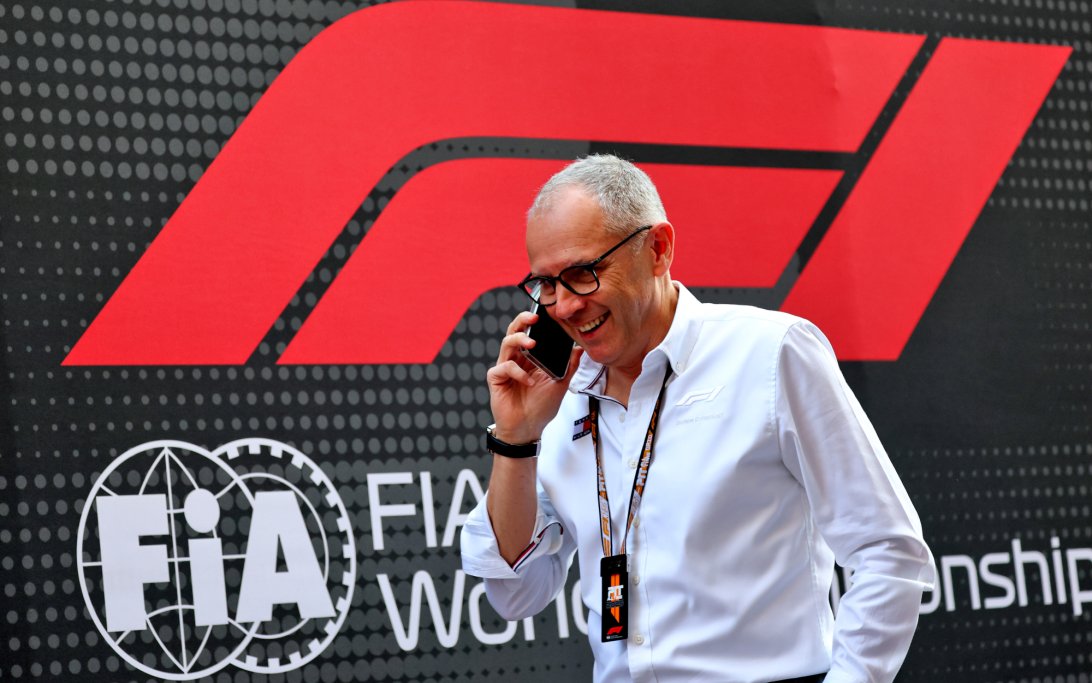
F1 chief calls for calm amid driver criticism over new cars
F1 CEO Stefano Domenicali appeals for calm after drivers, led by Max Verstappen, criticized the new 2026 cars for being "anti-racing" due to extreme energy management demands. He acknowledges the concerns but is confident teams and drivers will adapt, predicting the issues will be forgotten by season's end.
F1 CEO Stefano Domenicali has urged for "calm" and a constructive approach as the 2026 season nears, following intense criticism from drivers about the new generation of cars. The pre-season tests in Barcelona and Bahrain revealed significant challenges with energy management, leading drivers like Max Verstappen to label the driving experience as "anti-racing." Domenicali acknowledges the concerns but expresses confidence that the sport will adapt and evolve past the initial skepticism.
Why it matters:
The drivers' vocal dissatisfaction strikes at the core of Formula 1's identity as the pinnacle of motorsport. If the best drivers in the world feel the new regulations compromise the essence of flat-out racing and overtaking, it risks alienating the core fanbase and undermining the competitive spectacle. Domenicali's call for calm is an attempt to manage this pivotal transition period and maintain confidence in the sport's technical direction.
The details:
- The criticism was led by reigning champion Max Verstappen and echoed by many drivers, focusing on the excessive focus on energy management during both races and qualifying laps.
- Drivers argue the new requirement to constantly manage systems prevents them from driving at the absolute limit, a fundamental shift from recent years.
- In response, Domenicali emphasizes the "incredible and constructive approach" by all stakeholders working with the new technical regulations.
- He revealed having a direct meeting with all 20 drivers, noting a shared desire to be constructive in providing feedback to the FIA and their teams.
- The F1 CEO pointed to a noticeable evolution in understanding, stating that teams' and drivers' comprehension of how to drive the new cars has already improved significantly since the first test.
What's next:
Domenicali is betting on Formula 1's inherent capacity for rapid development. He is "pretty confident" that the current controversies will be forgotten by the season's end as teams optimize their cars and drivers master the new techniques. The true test will come at the opening races, where competitive performance and racing action will ultimately judge the success of the new era's regulations.
Don't miss the next lap
Get the deep dives and technical analysis from the world of F1 delivered to your inbox twice a week.
Zero spam. Only high-octane analysis. Unsubscribe anytime.
Join the inner circle
Get the deep dives and technical analysis from the world of F1 delivered to your inbox twice a week.
Zero spam. Only high-octane analysis. Unsubscribe anytime.