Panic in the Paddock: The 2026 Rules Are Already Broken and the Drivers Are Revolting
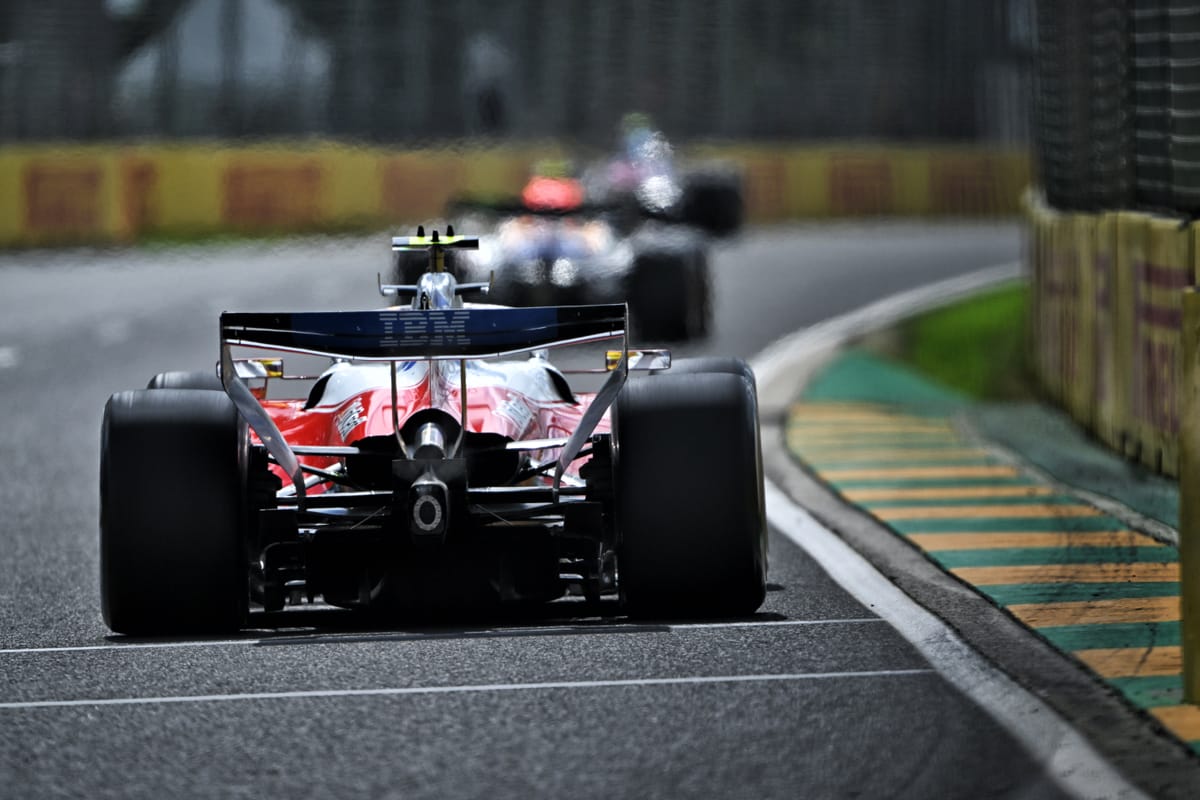
Formula 1 could implement changes to its controversial 2026 regulations as early as the Japanese Grand Prix, following a review after China. Drivers have heavily criticized the new cars' energy management and raised safety alarms, prompting the FIA and teams to consider tweaks to harvesting and deployment systems to improve racing and safety.
The whispers started in Melbourne, a low hum of discontent beneath the roar of the new, anemic power units. Now, as the circus lurches towards Shanghai, that hum has become a deafening roar. Formula 1’s brave new 2026 world is crumbling, and the architects are scrambling with a blueprint that’s still wet with ink. I’m told, by voices thick with fatigue and frustration, that emergency surgery on the regulations could be signed off by Suzuka. That’s not evolution. That’s an admission of catastrophic failure before the season is even a month old.
The drivers, those glorified data-loggers the engineers would prefer, have found their collective spine. They’re not just complaining. They’re issuing warnings laced with genuine fear. The spectacle in Australia? A farce. The overtaking? As artificial as the sweetener in Toto Wolff’s post-race coffee. But this goes beyond a bad show. This is about survival speeds, about closing rates so violent they turn straights into Russian roulette. The FIA, with Nikolas Tombazis promising "a few aces up our sleeves," looks less like a governing body and more like a magician who’s forgotten his own trick.
The Theater of Max and the Ticking Clock
Don’t be fooled by the public unity. In the motorhomes, the factions are already forming. You have the reactionaries, led by the ever-cautious James Vowles at Williams, pleading for patience, terrified that a knee-jerk change will bury them further. Then you have the pragmatists like Wolff, who at least pays lip service to the fans. But the most dangerous voices are in the cockpits.
"They’ve given us a car that fights us, not the track. You are managing a spreadsheet at 350 km/h, not racing. It is a joke, and a dangerous one."
That sentiment, paraphrased from three separate champions over sushi last night, is universal. The energy management is so dominant, so intrusive, that instinct is outlawed. This is where my theory crystallizes: Max Verstappen’s very public, theatrical fury? Calculated. By amplifying the driver safety narrative, he deflects from Red Bull’s own acute struggles with the new aero philosophy. His aggression masks their vulnerability. If the conversation is about battery harvest, it’s not about their chassis porpoising on the long Shanghai back straight. A content driver outperforms a data-optimized one, but an angry driver who can steer the narrative? That’s Red Bull’s real asset.
The proposed "solutions" on the table are Band-Aids on a bullet wound:
- Increasing "super clipping" power to make recharging easier.
- Decreasing max deployment to lengthen boost periods.
- Tweaking the internal combustion engine’s output.
They’re fiddling with sliders in a simulation, hoping the real world catches up. It reeks of desperation. The post-China review was always planned, but the urgency for changes by Japan? That’s panic.
The Ghost in the Machine: Data vs. Soul
This crisis is the clearest signpost yet to our inevitable, grim future. Within five years, mark my words, we will see the first fully AI-designed car. What we are witnessing now is the painful, final thrashing of human intuition against the machine’s cold logic. The 2026 rules, with their hyper-complex energy mappings, are a paradise for algorithms and a hell for racers. The teams want silent, efficient processors in the cockpit who execute code without question. The drivers are, miraculously, rebelling. They are fighting for the soul of the sport, and they are losing.
This brings me to Lewis Hamilton. His career, often painted as Senna-esque, has always been a masterclass in political navigation over raw, unfiltered genius. Where Senna would will a car beyond its limits through sheer force of being, Hamilton wills a team to build a better car through force of personality. His quietness on this issue is telling. He’s letting the younger lions roar, knowing his legacy is secure, while positioning himself as the wise elder for when the inevitable compromise is brokered. He’s not in the trenches; he’s surveying the battlefield from a hill, waiting to claim the moral victory. It’s brilliant, media-savvy, and utterly devoid of the fire that once defined him.
The cancelled Bahrain and Saudi rounds are now a godsend. A month’s breather between China and Miami? It’s a lifeline the FIA never knew it needed. Time to cobble together a coherent update, to try and make these spec-race software platforms resemble racing cars.
Conclusion: A Predictable Farce
So here we stand. The 2026 regulations, hailed as the sustainable future, are being revised before the first European spring blossom has fallen. The drivers are terrified passengers in their own machines. The engineers are buried in data that tells them everything except how to make a race car. And the fans? They’re being sold a product that the very people risking their lives call "the worst."
The fix for Japan won’t be a fix. It will be a palliative. A slight adjustment to the harvest curve, a minor boost to the ICE, a press release full of promises about "improved raceability." It will not address the core disease: a sport that has engineered the emotion out of the equation. They are optimizing for the wrong variable. They want perfect, silent efficiency. What they’ve created is a perfect, silent crisis. And from where I’m sitting, in the thick of the paddock’s nervous energy, the only thing left to deploy is the blame.