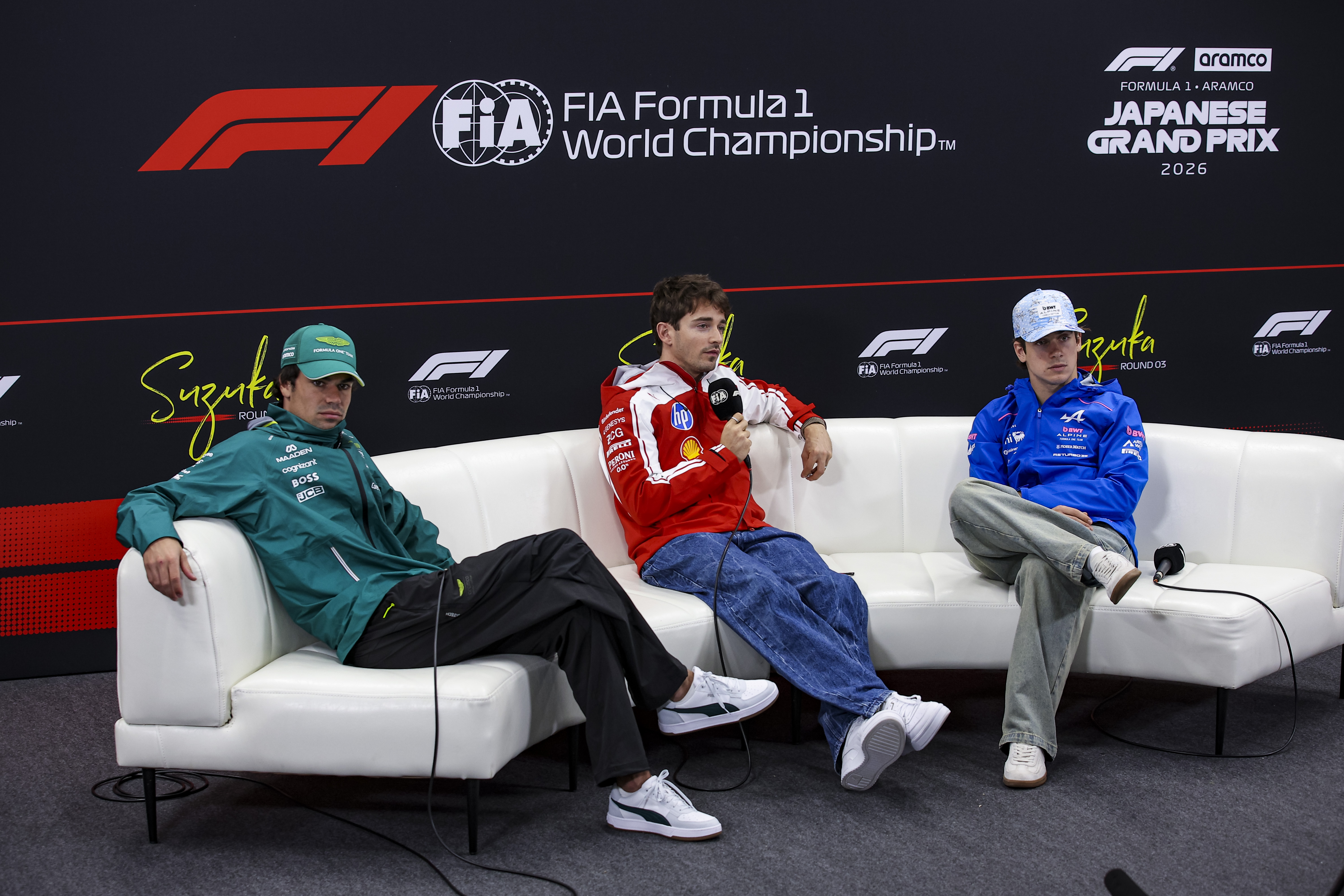
F1 Drivers Discuss Team Challenges and New Regulations at Suzuka
At the Japanese GP, drivers revealed a split grid: Aston Martin battles crippling reliability, Ferrari targets Mercedes' advantage, and Alpine rides a confidence high. The 2026 car's new energy rules sparked debate, creating exciting but artificial "yo-yo" racing and turning qualifying into a frustrating battery management exercise, risking the pure speed challenge of tracks like Suzuka.
Aston Martin is grappling with severe reliability and vibration issues that are hampering its performance, while Ferrari acknowledges a significant but surmountable gap to Mercedes. Drivers also expressed mixed feelings about the new 2026 car regulations, which have created unpredictable "yo-yo" racing and made qualifying a complex energy management puzzle rather than a flat-out lap.
Why it matters:
The early 2026 season is revealing the first real competitive order and the practical challenges of the new technical regulations. Aston Martin's struggles highlight how reliability can cripple a team's ambitions, while Ferrari's candid assessment shows the mountain to climb to catch Mercedes. The drivers' feedback on the racing product is crucial for the FIA as it looks to refine the new rules to improve the spectacle and driver satisfaction.
The Details:
- Aston Martin's Reliability Crisis: Lance Stroll revealed the team is "three seconds off" and battling major issues. The car can only complete about half a race distance due to reliability, and severe vibrations make it "very uncomfortable" to drive. Success in Japan would simply mean "getting both cars to the chequered flag."
- Ferrari's Measured Outlook: Charles Leclerc stated Ferrari is in an "okay-ish place" but faces a "significant advantage" of four to five tenths per lap to Mercedes, primarily due to power unit optimization and raw power deficits. He believes catching them is possible but a "huge challenge."
- Qualifying Frustrations: Drivers universally criticized the current qualifying format, where energy management often overrides pure speed. Leclerc cited losing half a second on a straight in China due to a tiny 2-3% throttle lift. Oliver Bearman noted that driving at 99% often yields a better lap time than a full attack, which feels "against our nature."
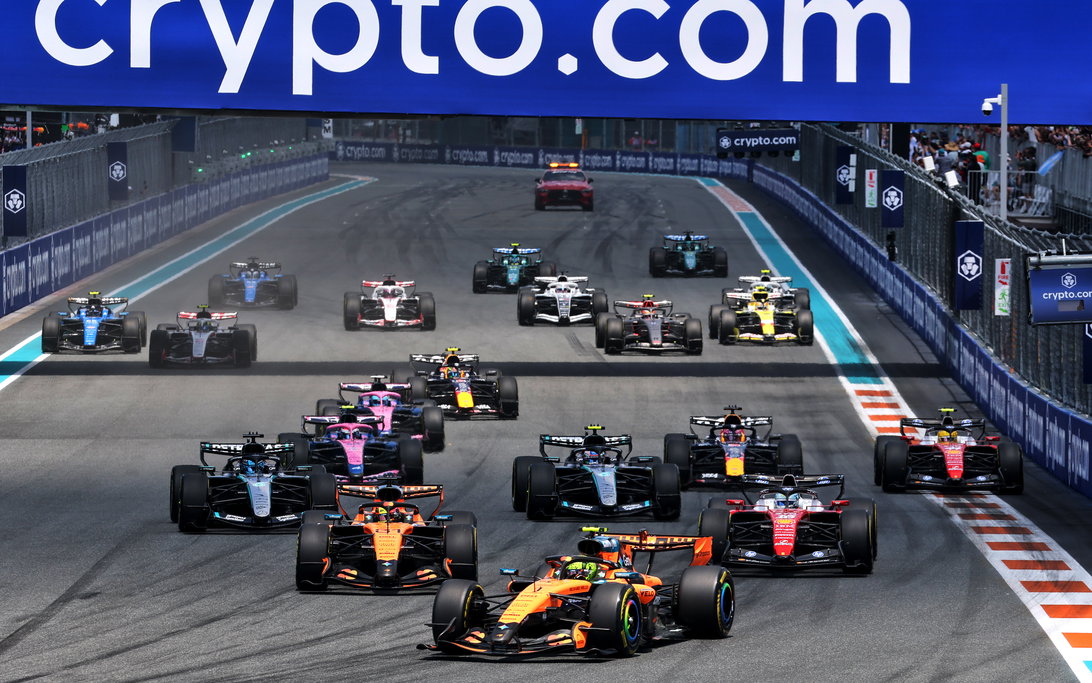
- Mixed Reviews on "Yo-Yo" Racing: The race battles have been eventful but artificial. Leclerc was "positively surprised" by the amount of fighting, while Bearman and Liam Lawson explained the frustration: a driver can execute a perfect overtake, only to be repassed easily on the next straight due to battery state differences, making defense feel impossible.
- Suzuka's Character at Risk: Drivers fear iconic, grip-limited corners like Degner and Spoon Curve may become power-limited in qualifying due to energy clipping. Lando Norris and Bearman lamented that the track, while still great to drive, might lose some of its spectacular, on-the-edge qualifying nature.
- Team-Specific Updates:
- Alpine: Franco Colapinto was buoyed by a double-points finish in China, saying it has "motivated a lot of people in the factory." He hopes to bring an F1 car to Argentina for a show run for the passionate local fans.
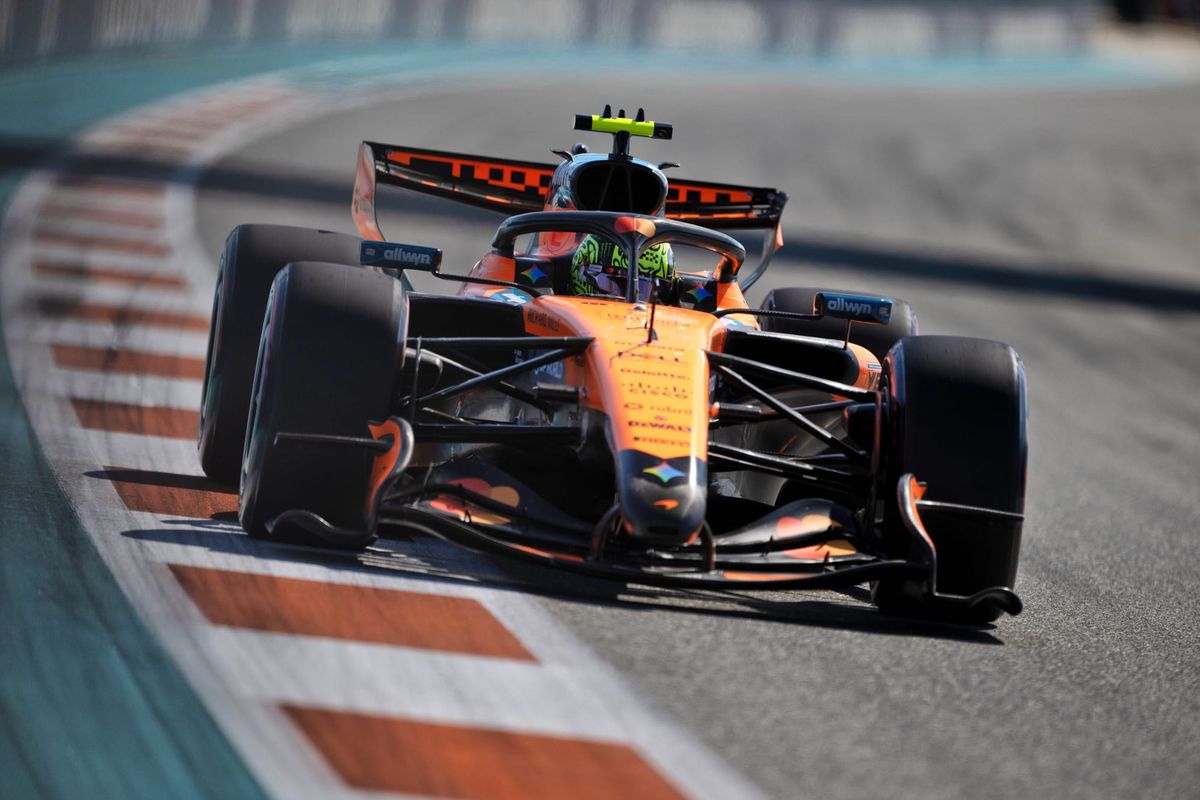
- McLaren: Lando Norris confirmed the team understands the cause of the double DNF in China and is working with HPP (Mercedes) to ensure it doesn't recur. He remains confident McLaren can build the best car again this season.
- Haas & RB: Oliver Bearman is enjoying a strong start (P5 in the championship) thanks to a quick and reliable car. Liam Lawson was pleased with a points finish in China from a lowly grid position, highlighting the importance of capitalizing on others' misfortunes.
What's Next:
The focus now shifts to on-track performance at the demanding Suzuka circuit, where high-speed corners will test every car's weaknesses. The FIA has already implemented a small change for Japan—reducing the mandatory energy recharge in qualifying—which drivers hope is a step in the right direction. The long break after Japan provides an opportunity for teams to bring upgrades and for the FIA to further refine the sporting regulations based on early-season feedback, aiming to preserve the show while giving drivers a more natural and rewarding experience.
summary: Drivers at Suzuka outlined starkly different team fortunes: Aston Martin fights severe reliability woes, Ferrari eyes closing a gap to Mercedes, and Alpine feels momentum. The new 2026 regulations dominated discussion, with drivers criticizing artificial "yo-yo" racing and a qualifying format that prioritizes energy management over outright speed, potentially dulling iconic circuits.
Don't miss the next lap
Get the deep dives and technical analysis from the world of F1 delivered to your inbox twice a week.
Zero spam. Only high-octane analysis. Unsubscribe anytime.
Join the inner circle
Get the deep dives and technical analysis from the world of F1 delivered to your inbox twice a week.
Zero spam. Only high-octane analysis. Unsubscribe anytime.
Continue Reading
View More News