F1 Drivers Point Fingers at 'Snitch' Leaking Private Meeting Details
F1 drivers are searching for a 'snitch' among their ranks who leaked criticisms from a private meeting with the FIA. The breach of trust comes as most drivers voice strong disapproval of the 2026 car regulations, which they claim hurt racing, while Mercedes's competitive advantage under the new rules complicates any potential changes.
Tensions are rising in the Formula 1 paddock as drivers accuse an anonymous colleague of leaking details from a private meeting with the FIA, undermining trust and confidentiality. The incident has brought underlying frustrations about the 2026 car regulations, criticized by many as making racing less enjoyable, back into sharp focus.
Why it matters:
The breach of trust within the drivers' briefing room threatens the open dialogue necessary for addressing safety and sporting concerns. If drivers cannot speak freely without fear of public exposure, critical feedback may be suppressed. This leak coincides with widespread driver discontent over the upcoming 2026 technical regulations, highlighting a growing disconnect between competitors and the sport's governance.
The details:
- Following a routine, closed-door meeting between drivers and the FIA on Friday in Melbourne, specific criticisms were reported in the media by Saturday morning.
- Driver Reactions: Multiple drivers expressed frustration. Alexander Albon noted, "We clearly have a leak in the group," while a more stern Max Verstappen called it "not professional."
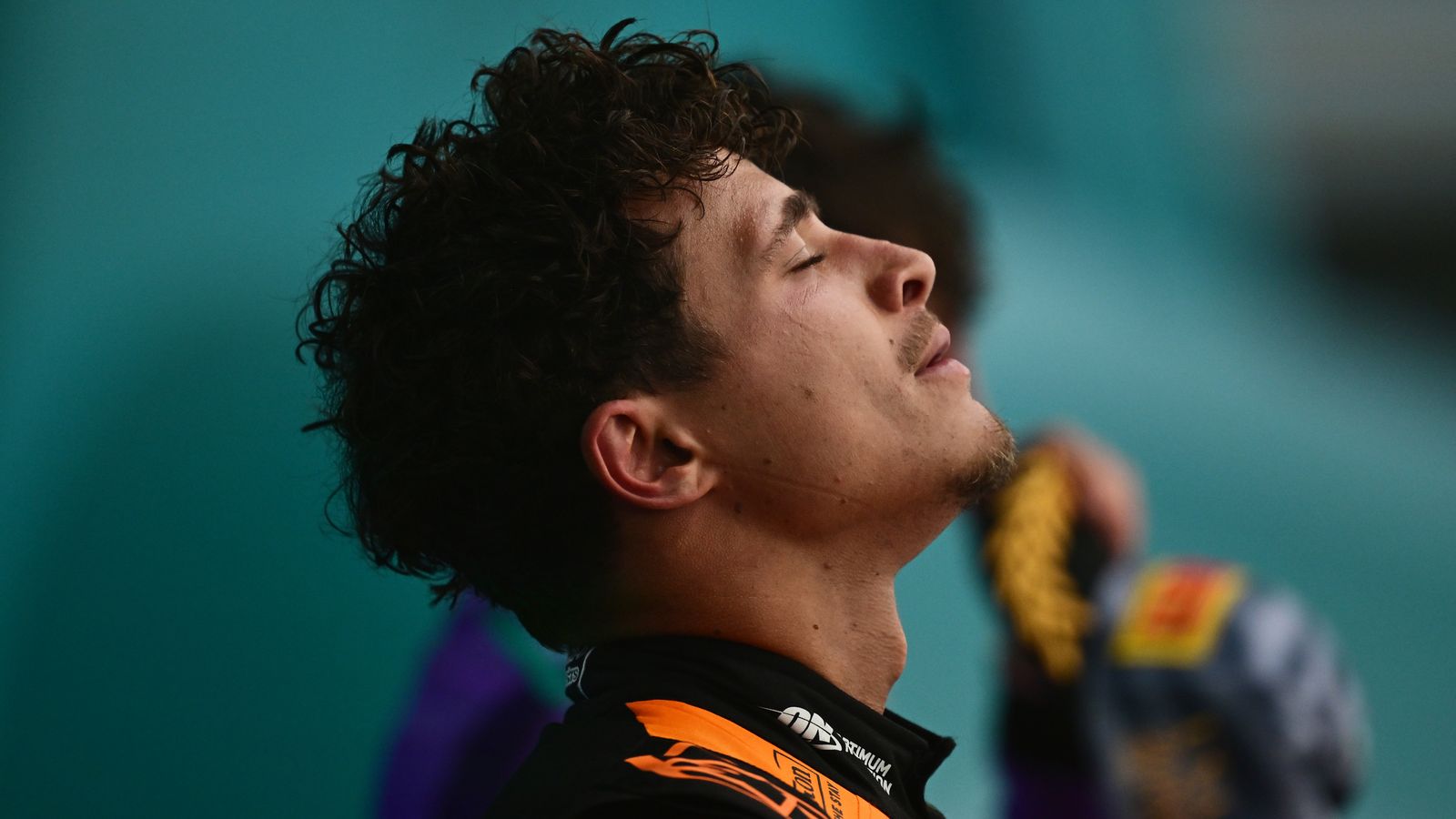
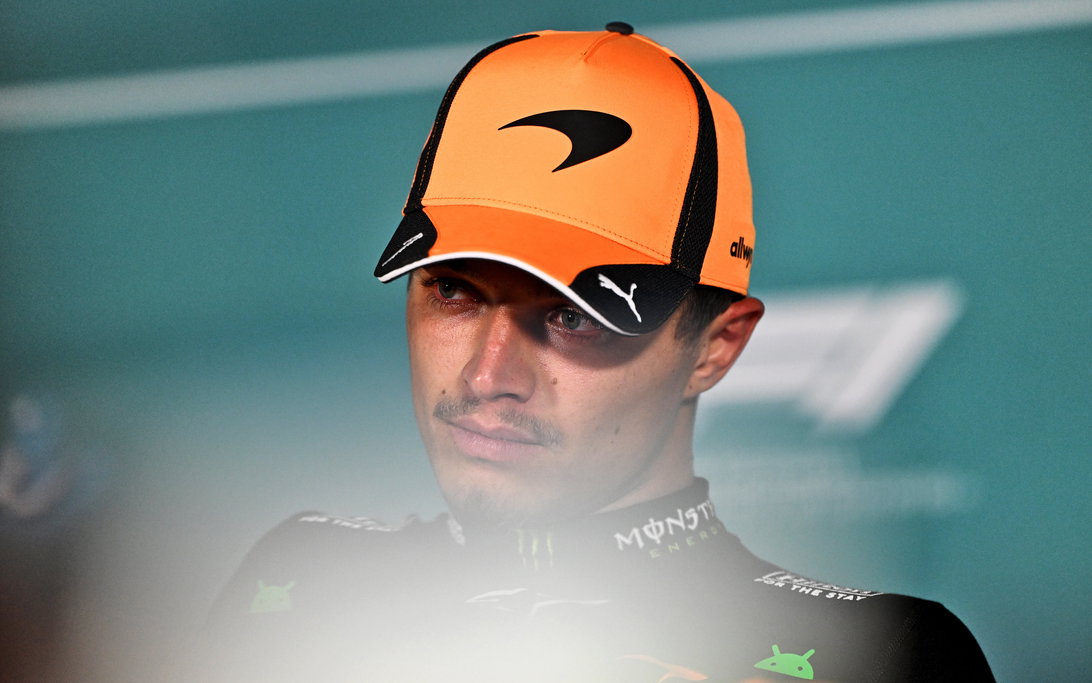
- Pointing Fingers: Lando Norris hinted the leak may have come from drivers not complaining about the cars, indirectly pointing toward Mercedes. He stated, "The drivers who aren’t complaining? Well, that would of course be the Mercedes drivers."
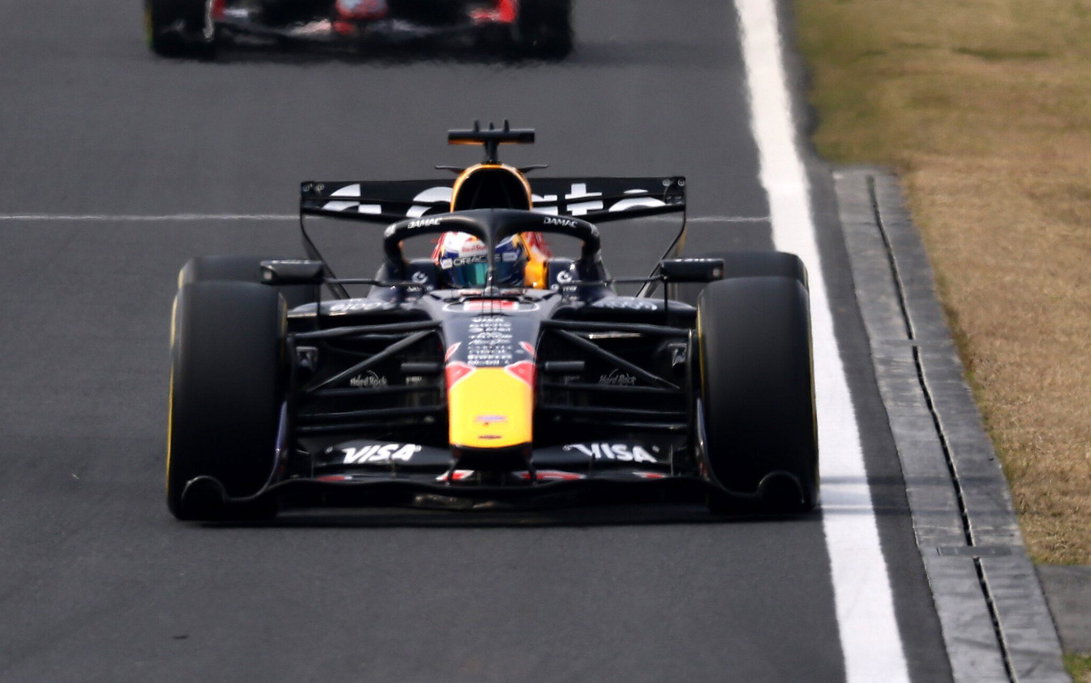
- Core Complaint: The leaked discussions centered on strong criticism of the 2026-spec cars, with drivers labeling the current prototypes as problematic for racing. A major issue is battery management, which forces drivers to lift off throttle on straights to recharge, disrupting natural racing lines and lap starts.
The big picture:
The leak exposes a deeper conflict within the sport. Mercedes, having developed what is perceived as the most competitive 2026 package under the new rules, has little incentive to support changes. As Verstappen acknowledged, sudden rule alterations are unlikely. This creates a stalemate: the majority of drivers are unhappy with the racing product the new regulations promise, but the team with the most leverage benefits from the status quo. The focus, as noted in the report, shifts to the rule-makers themselves for creating a specification that appears at odds with driver desires and, potentially, fan enjoyment.
What's next:
The identity of the source may remain a paddock mystery, but the fallout is real. The incident will likely make drivers more guarded in future meetings, potentially hindering constructive discussion. The debate over the 2026 cars is now irrevocably public, increasing pressure on the FIA and F1 to address driver concerns before the regulations are locked in. Whether this leads to any technical compromises or simply entrenches positions remains to be seen.
Don't miss the next lap
Get the deep dives and technical analysis from the world of F1 delivered to your inbox twice a week.
Zero spam. Only high-octane analysis. Unsubscribe anytime.
Join the inner circle
Get the deep dives and technical analysis from the world of F1 delivered to your inbox twice a week.
Zero spam. Only high-octane analysis. Unsubscribe anytime.
Continue Reading
View More News