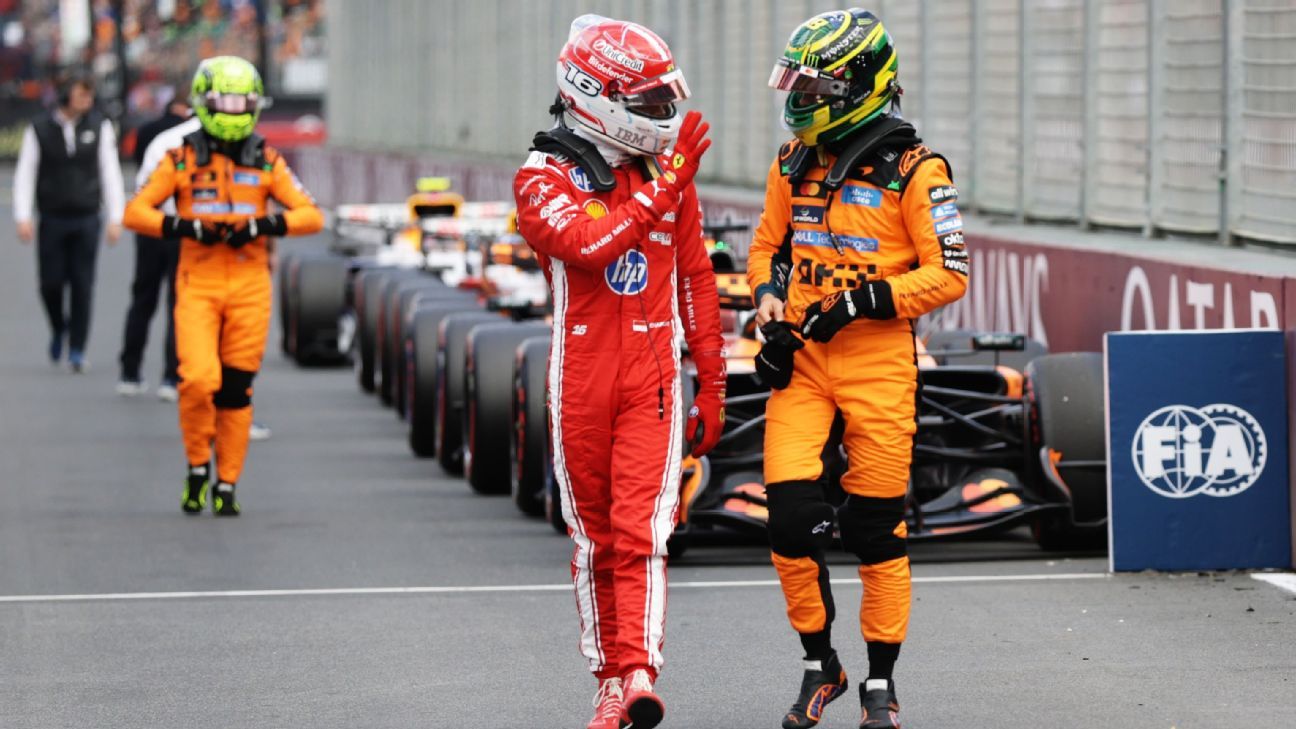
F1 drivers savage new 2026 cars at Australian GP debut
Formula 1's new 2026 cars faced a brutal reception from drivers at the Australian Grand Prix, with world champions Lando Norris and Max Verstappen leading criticism that the vehicles are unenjoyable and technically flawed. The new 50-50 hybrid power units force extreme energy management, causing cars to lose power on straights and making driving feel emotionless. While Mercedes' George Russell enjoyed a dominant pole, the widespread driver dissatisfaction signals a rocky start for the sport's latest technical revolution.
The debut of Formula 1's 2026 technical era was met with a wave of scathing criticism from the sport's top drivers, who labeled the new cars as a significant step backwards in drivability and enjoyment. While Mercedes dominated qualifying, the session exposed fundamental frustrations with the new 50-50 hybrid power units, which drivers say force them to drive well below the limit and create an unsatisfying, emotionless experience behind the wheel.
Why it matters:
The immediate and unified negative reaction from champions like Max Verstappen and Lando Norris poses a major credibility crisis for F1's new technical direction. With driver enjoyment and car performance being central to the sport's appeal, a prolonged period of dissatisfaction could impact the competitive spectacle and even influence driver career decisions, especially for stars like Verstappen who have linked their future to having fun in the cockpit.
The Details:
- Universal Driver Disdain: The criticism was widespread and blunt. Lando Norris called the shift from the previous generation "the best cars ever made... to probably the worst." Max Verstappen stated he was "not having fun at all" and felt "no emotion," echoing his preseason comparison of the cars to "Formula E on steroids."
- The Core Problem: The issue stems from the new 50-50 combustion-to-electric power split. Drivers must intensely manage battery harvesting, leading to "super clipping"—where the car suddenly loses power and slows on straights despite full throttle—and excessive "lift-and-coast" braking to regenerate energy.
- Mercedes' Dominant Silver Lining: George Russell, who took a dominant pole position for Mercedes, was the lone upbeat voice, calling the car "super fun to drive" and more agile. His performance, nearly a second clear of third place, confirmed Mercedes' hidden preseason pace and intensified rivals' frustrations.
- A Flawed Opening Act: The Albert Park circuit, lacking heavy braking zones, is particularly punishing for the energy-hungry new cars. Oscar Piastri noted his car had 450 horsepower less in some corners, requiring multiple lifts per lap. Drivers anticipate different but equally severe challenges at other tracks on the calendar.
- Regulatory Confusion: The FIA's clumsy handling of a last-minute rule change highlighted the instability. After removing a "straight mode" aerodynamic setting on safety grounds, a furious team backlash forced a reversal within 30 minutes, revealing a struggle to manage the new formula effectively.
What's Next:
The focus shifts to whether these are teething problems or fundamental flaws. Short-term fixes are being applied, like a longer race start procedure, but drivers like Carlos Sainz warn against "plasters" that don't address the root cause. The sport hopes Melbourne was a worst-case scenario due to its layout, but with the core 50-50 power unit regulations locked in, the path to improving the driving experience remains unclear. The coming races will test if teams can engineer their way to better drivability or if driver discontent will define the early phase of this new era.