F1 drivers struggle with 'complicated' 2026 race starts due to new power unit rules
Formula 1 drivers face a steep learning curve with "complicated" and "messy" race starts under the 2026 rules, as the removal of the MGU-H hybrid component eliminates instant acceleration. They must now execute a longer, manual procedure to combat turbo lag, while strict battery usage rules create a tough strategic trade-off between a good launch and lap energy.
F1 drivers are grappling with significantly more complex and potentially messy race starts under the 2026 regulations, as the removal of a key hybrid component forces new procedures and threatens instant getaways. The changes have drivers like reigning champion Lando Norris calling the process "a lot more complicated" and rookie Gabriel Bortoleto describing practice starts as "quite a mess" compared to the seamless launches of the past.
Why it matters:
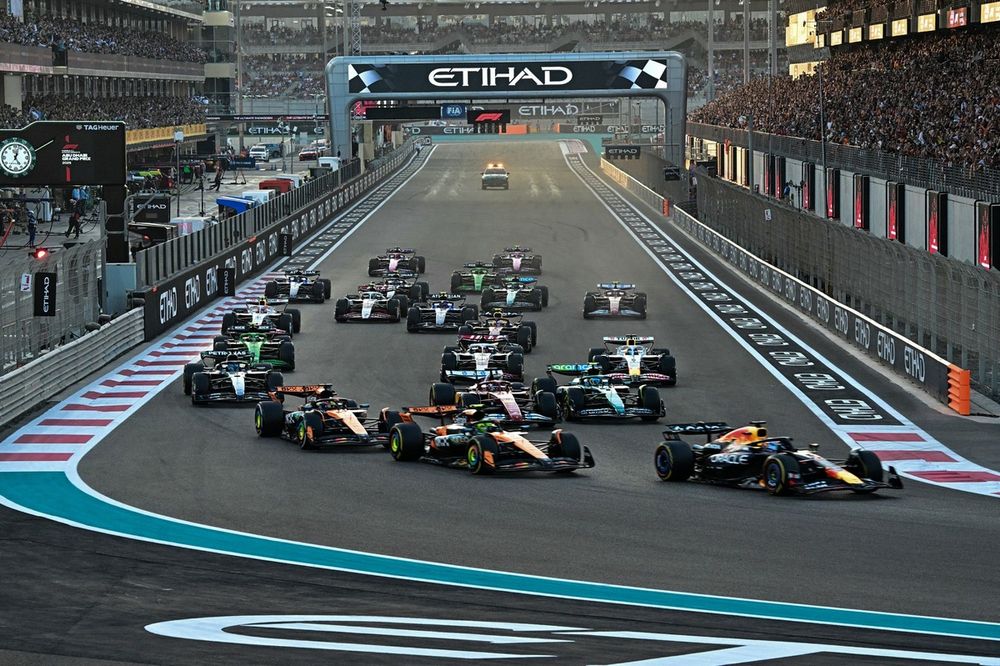
Race starts are one of the most critical and visible moments in a grand prix, offering prime overtaking opportunities and often dictating the early race order. A fundamental shift in how they work could introduce more variability and mistakes, changing race strategies and potentially benefiting drivers who master the new technique faster than their rivals.
The details:
- The core issue stems from the removal of the MGU-H (Motor Generator Unit-Heat). This component previously acted as a "compression spinner," using hot exhaust gases to generate electric energy and eliminate turbo lag, allowing for instantaneous acceleration when the lights went out.
- New Start Procedure: Without the MGU-H, drivers must now manually rev their engines much higher and for longer—around 10 seconds—once the clutch is engaged to spool up the turbo and overcome lag before launching.
- Battery Management Dilemma: The alternative, using the MGU-K (which converts kinetic energy) to fill the power gap, is heavily restricted. Regulations forbid using it to prep the turbo on the grid, and it can only be engaged after the car reaches 50 mph. Even then, using battery energy for a better start drains charge needed for the rest of the lap, creating a strategic trade-off.
- Driver Feedback: Drivers universally find the new process challenging. Bortoleto admitted losing count during the procedure, while Valtteri Bottas highlighted a specific concern for drivers serving grid penalties, questioning if there's enough time to get the turbo spinning properly from the back of the grid.
What's next:
Drivers expect to dedicate significant practice time to perfecting starts during pre-season testing in Bahrain. While Bottas believes "we will find solutions and it will become more consistent," the true test will come at the season-opening Australian Grand Prix in March. The new complexity may lead to more varied and less perfect getaways, adding an unpredictable element to the opening seconds of every race. Teams will also need to develop clear radio procedures to guide drivers through the critical pre-start phase.
Don't miss the next lap
Get the deep dives and technical analysis from the world of F1 delivered to your inbox twice a week.
Zero spam. Only high-octane analysis. Unsubscribe anytime.
Join the inner circle
Get the deep dives and technical analysis from the world of F1 delivered to your inbox twice a week.
Zero spam. Only high-octane analysis. Unsubscribe anytime.
Continue Reading
View More News