F1 drivers voice concerns over 'anti-racing' 2026 cars in Bahrain test
Max Verstappen and other drivers have publicly criticized F1's 2026 cars as 'anti-racing,' highlighting major concerns over energy management during the Bahrain test. The session also exposed Aston Martin's deep performance issues, revealed Ferrari's unique technical path, and showed early signs of progress for Cadillac.
The second day of F1's Bahrain pre-season test saw driver criticism of the 2026 regulations go public, with Max Verstappen labeling the new cars "anti-racing," while teams grappled with complex energy management and varying development curves. The session revealed deeper issues for Aston Martin and a unique technical approach from Ferrari, even as some squads like Cadillac showed signs of progress.
Why it matters:
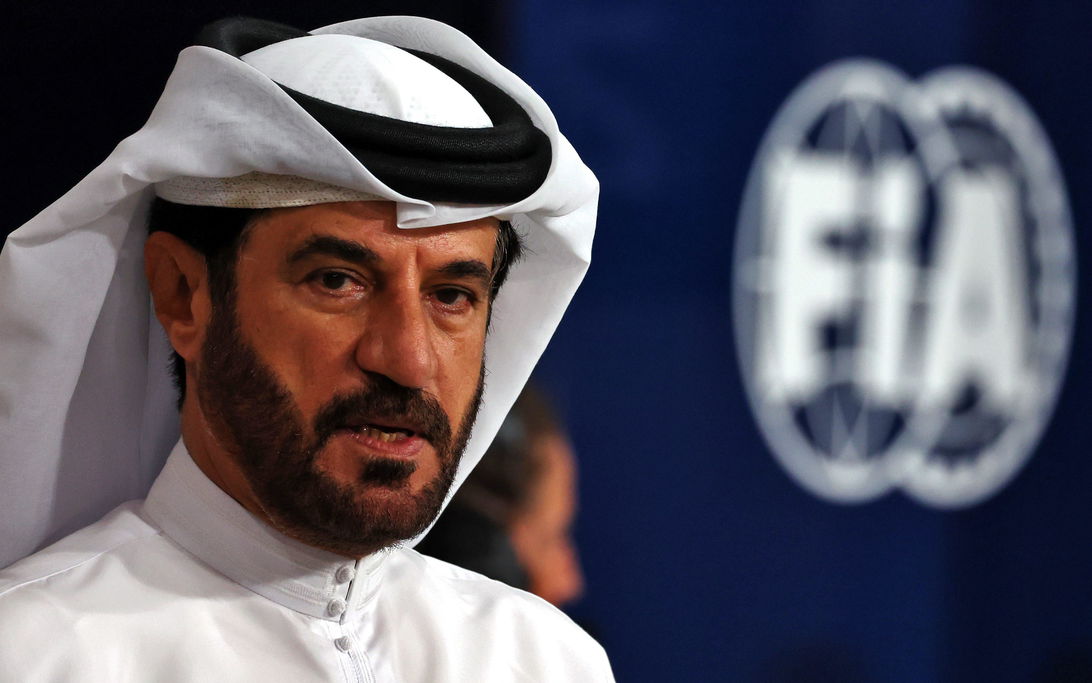
The unified optimism around F1's 2026 technical revolution has fractured, with the sport's biggest stars openly questioning the raceability of the new cars. Their primary complaint centers on the aggressive energy management required, forcing drivers to lift and coast extensively, which they fear will hurt the spectacle. This early negativity poses a significant challenge for the FIA and FOM to address before the new era begins.
The details:
- Driver Dissent Emerges: Max Verstappen's criticism, calling the cars "Formula E on steroids," followed Lewis Hamilton's earlier comments on the rules' complexity. The core issue is the cars' energy-starved nature, requiring drivers to conserve aggressively, a concept top competitors inherently dislike.
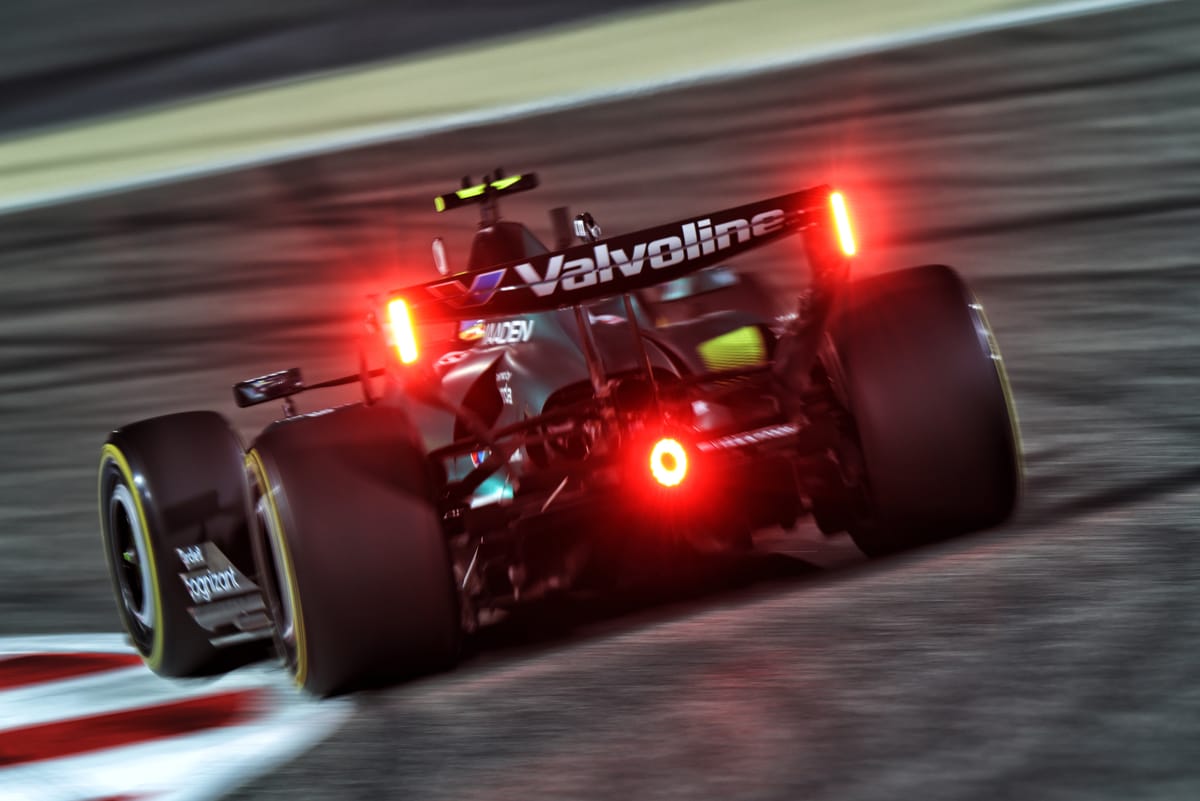
- Aston Martin's Deep-Rooted Issues: Lance Stroll cited "engine, balance, grip" as deficiencies. Fernando Alonso's 98 laps on Thursday only exposed more weaknesses: the AMR26 appears stiff, prone to locking, awkward to drive, and lacking overall grip. The team faces a significant performance deficit that may not be easily dialed out.
- Ferrari's Technical Outlier Status: Ferrari-powered cars (Ferrari, Haas, Cadillac) are the only ones not utilizing the prevalent high-revving, extra downshift technique for energy harvesting pioneered by Red Bull. This suggests their engine and gearbox are designed around a shorter first gear, potentially putting them at an energy recovery disadvantage unless they prioritize other methods.
- Audi's Extreme Approach: Audi is employing the most aggressive downshift strategy, but it comes at the cost of drivability. The car appears unstable on corner entry, with rookie Gabriel Bortoleto admitting the team is "working a lot to improve that" instability.
- Race Start Complexity: Practice starts have become a major headache. The new procedure requires managing turbo spool-up for ~10 seconds, avoiding battery overcharge, and balancing revs, leading to botched attempts and concerns over reliability for the Australian Grand Prix.
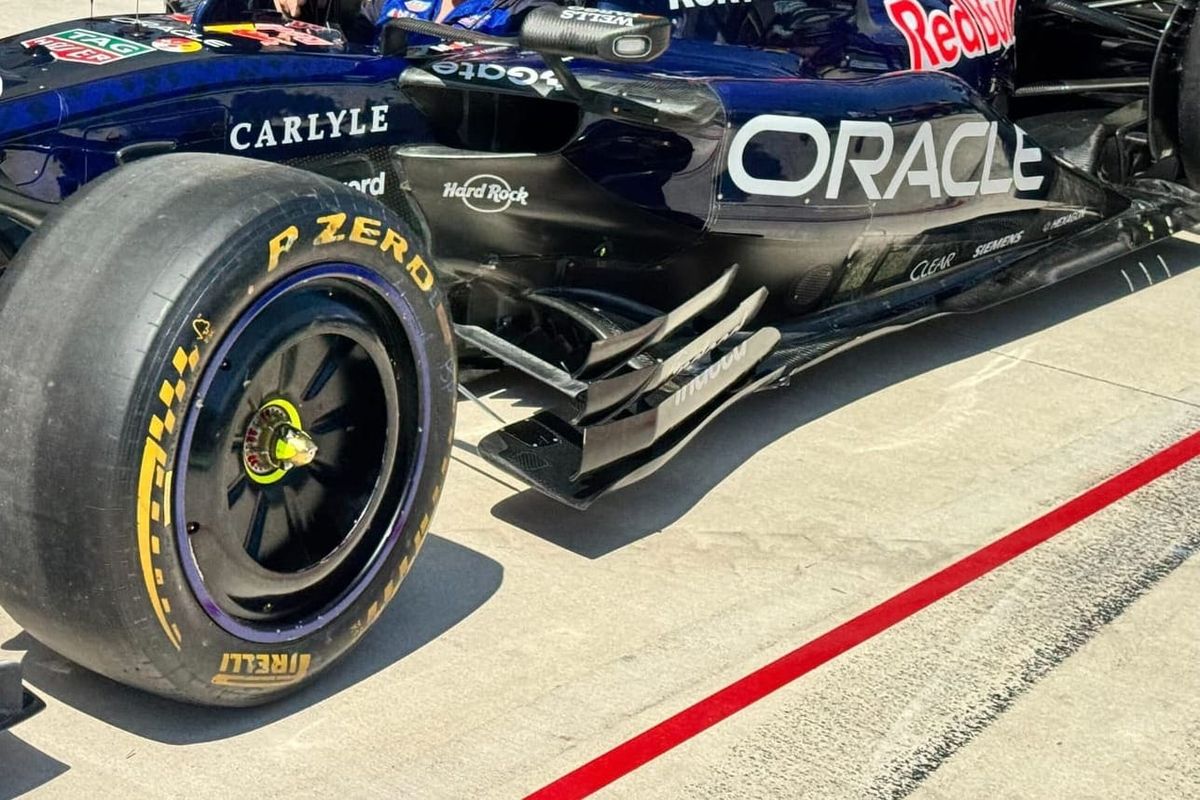
- Red Bull's First Setback: After a smooth test until now, Red Bull lost most of the morning session due to an unspecified issue with Isack Hadjar's car, limiting him to a single installation lap before he recovered with 86 laps in the afternoon.
- Cadillac Shows Promise: The team made a tangible step, with Valtteri Bottas cutting the gap to the front from four seconds to 2.5 seconds. Sergio Perez highlighted progress in understanding the new Ferrari power unit and the need to find consistency in lap times.
What's next:
The final day of testing in Bahrain on Friday will be crucial for teams to gather last-minute data and for drivers to further acclimatize to the 2026 cars' quirks. The public driver criticism now places pressure on the FIA to consider if procedural tweaks, especially for race starts, are feasible before the season opener in Melbourne. The pecking order remains fluid, but the test has clearly delineated the teams with fundamental problems from those simply refining a more solid package.
Don't miss the next lap
Get the deep dives and technical analysis from the world of F1 delivered to your inbox twice a week.
Zero spam. Only high-octane analysis. Unsubscribe anytime.
Join the inner circle
Get the deep dives and technical analysis from the world of F1 delivered to your inbox twice a week.
Zero spam. Only high-octane analysis. Unsubscribe anytime.
Continue Reading
View More News