F1 Fans Debate 'British Bias' After Verstappen's Journalist Clash
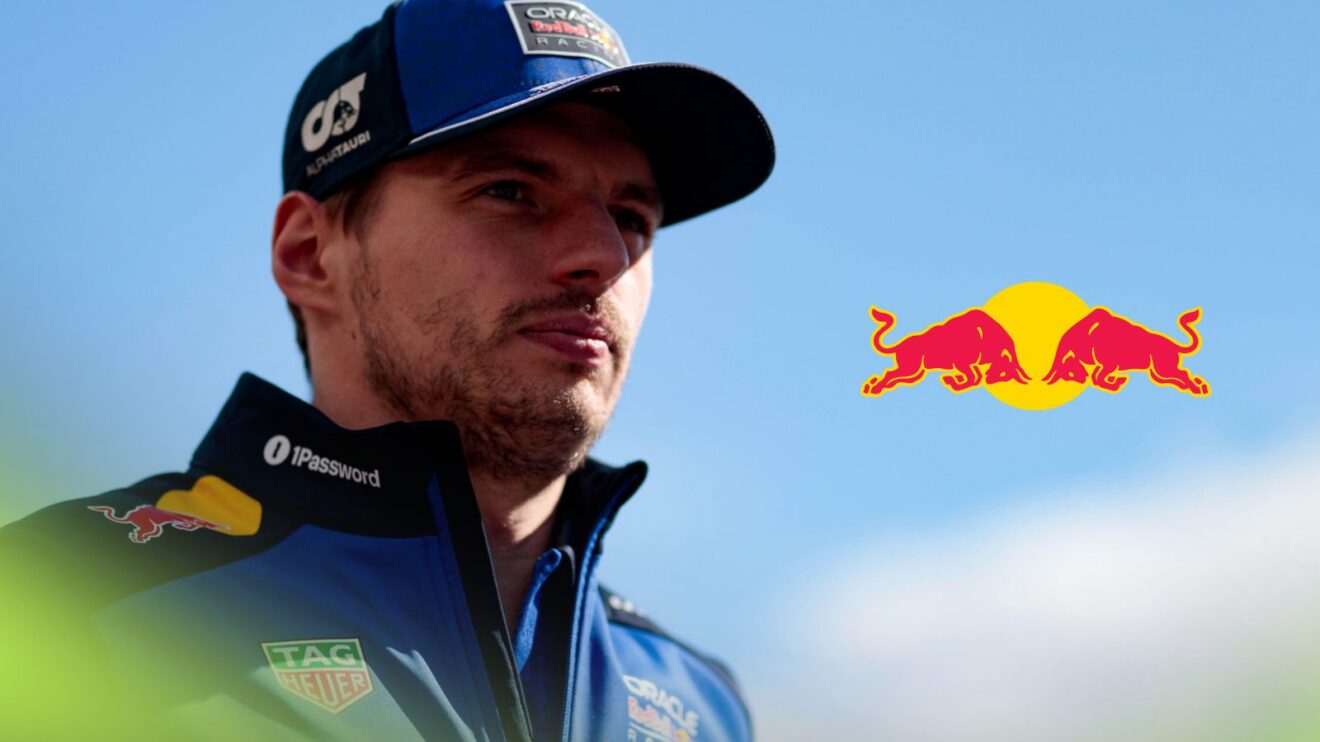
Max Verstappen's clash with a British journalist in Japan has fueled the persistent debate about 'British bias' in F1 media. Fan reactions are split, with many agreeing bias exists due to Britain's overwhelming presence in the sport, while others see it as natural national favoritism. The incident highlights an ongoing cultural tension within the global sport's predominantly British ecosystem.
Max Verstappen's ejection of a British journalist from a media session has reignited the long-standing debate over a perceived 'British bias' in Formula 1's media landscape. The incident at the Japanese Grand Prix prompted a wave of fan reactions, with many agreeing bias exists while others attribute it to Britain's dominant presence in the sport. Former driver David Coulthard has also questioned the FIA's lack of public response to the clash.
Why it matters:
The perception of bias, whether real or a product of over-representation, can shape fan narratives and driver-media relationships. For a global sport, maintaining a balance of perspectives is crucial for credibility. Verstappen's recurring friction with sections of the British press highlights an ongoing cultural tension within the F1 paddock that impacts how stories are told and received worldwide.
The details:
- The flashpoint occurred when Verstappen told a Guardian journalist to "get out" after being questioned about his Spanish GP collision with George Russell, shortly after losing the title to Lando Norris in Abu Dhabi.
- On social media, GPblog asked fans if a 'British bias' exists, receiving hundreds of responses.
- Many fans affirmed the bias exists, with one British fan commenting, "Yes of course there is... I'm embarrassed to say this."
- Others argued it's a permanent fixture, stating, "It has been, and probably always will be."
- Some offered a more nuanced view, suggesting the issue is one of scale and representation rather than outright bias.
- One fan noted, "Yes, it is. But that applies to virtually all media. However, where it gets bad is that the British media have a much wider footprint."
- Another pointed out national bias is universal, asking, "Did we all whine and moan when German TV was biased towards Schumacher?"
- Separately, David Coulthard expressed surprise that the FIA did not take a public stance on Verstappen's actions, suggesting the reigning champion may not be entirely comfortable with how the situation was handled in retrospect.
The big picture:
The debate touches on the foundational structure of Formula 1, where the majority of teams, key media outlets, and a significant portion of the sport's history are British. This creates an inherent center of gravity that naturally amplifies British narratives and perspectives. While national favoritism exists in every country's coverage, the global reach of English-language British media means its particular slant becomes the default international narrative, fueling the perception of a systemic bias.
What's next:
This underlying tension is unlikely to disappear. As F1 continues its global expansion, calls for more diversified media representation and editorial perspectives will likely grow. The sport's commercial rights holders have an interest in ensuring coverage feels inclusive to all fans. However, with the UK remaining the operational heart of F1, the volume of British voices will continue to dominate, ensuring this debate surfaces whenever a flashpoint, like a driver-media clash, occurs.
Don't miss the next lap
Get the deep dives and technical analysis from the world of F1 delivered to your inbox twice a week.
Zero spam. Only high-octane analysis. Unsubscribe anytime.
Join the inner circle
Get the deep dives and technical analysis from the world of F1 delivered to your inbox twice a week.
Zero spam. Only high-octane analysis. Unsubscribe anytime.
Continue Reading
View More News