Haas's 1,174 Testing Heartbeats: The Seductive, Dangerous Math of Pre-Season Prophecy

F1 fans are tipping Haas for a major leap up the grid in 2026, with a poll showing many believe the team will finish fifth. This optimism stems from Haas logging the second-most laps in pre-season testing, showing strong reliability and promising pace with its Ferrari-powered VF-26.
I stared at the spreadsheet, the numbers glowing in the dim light of my office. 1,174 laps. A neat, compelling, and utterly seductive figure. It’s the kind of number that builds narratives, that makes fans believe in resurrection, that convinces pundits a team has cracked the code. Haas’s pre-season mileage, second only to Mercedes, is the central pillar of a new prophecy: that in 2026, the American team will lead the midfield. The data is there. But data, like a heart rate monitor, only tells you something is happening. It doesn’t tell you why, or for how long. My skepticism isn't about Haas’s potential; it’s about our collective, desperate need to read a full novel when we’ve only been given the prologue.
This isn’t analysis. It’s archaeology. We’re brushing sand off a single artifact—testing reliability—and trying to reconstruct an entire civilization of competitive performance from it. The fan poll from RacingNews365, where nearly 37% predict a fifth-place finish, is a testament not to Haas’s guaranteed success, but to the powerful, emotional story that relentless running tells. We’ve been starved of plot twists at the back, and a new rulebook is the perfect blank page. But before we anoint Haas, let’s dig into what these numbers truly unearth, and what they dangerously obscure.
The Allure of the Mileage Monolith
The facts are impeccable and form the entire foundation of the optimism.
- The Raw Tally: Across Barcelona and Bahrain, Esteban Ocon and Oliver Bearman combined for 1,174 laps. This trails only Mercedes (1,204) and, crucially, sits ahead of their power unit supplier, Ferrari (1,167).
- The Narrative Fuel: For a team that finished eighth in 2025, this volume is a seismic shift. It screams operational competence, mechanical trust, and a platform from which to develop. The VF-26 looked "tidy and fast," and the Ferrari power unit’s strong launch performance, as seen with Hamilton and Leclerc, is a tangible asset.
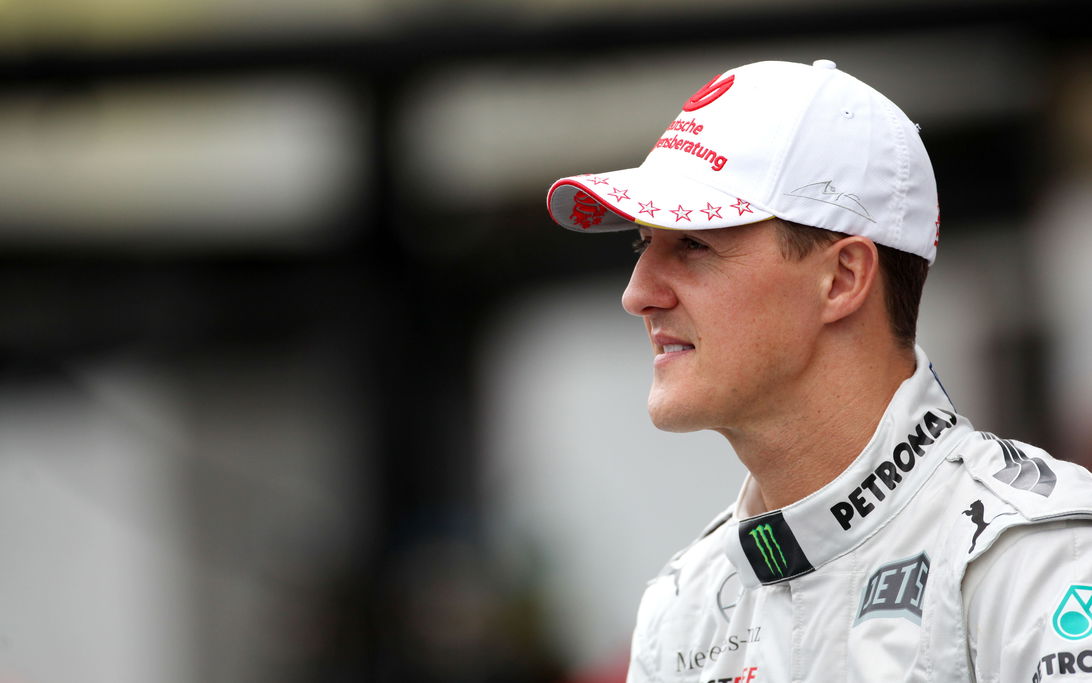
- The Historical Echo: This is where my mind drifts. Michael Schumacher’s 2004 season wasn’t just about speed; it was about a terrifying, metronomic reliability. The F2004 was a bank vault. The team’s confidence came from thousands of kilometers of private, controlled testing—a luxury killed by the modern era. Haas’s public mileage spike triggers a deep-seated memory: reliability begets consistency, consistency begets points, points beget position.
But here’s the fracture in the logic.
Pre-season testing is a controlled experiment with infinite variables. It is a team talking to itself, not a dialogue with competitors.
Teams run different programs, fuel loads, engine modes. Completing laps is the baseline homework; it doesn’t mean you’ve aced the exam. The second-highest lap count is a fantastic indicator of preparation, but it is not, and has never been, a direct correlate for race-day performance. It’s a necessary condition, but far from a sufficient one.
The Data Trap and the Suppressed Intuition
This is where my deeper unease sets in. The fan sentiment, the media narrative, it’s all being driven by the most surface-level telemetry: lap counts. We are hurtling toward a future where this hyper-focus on analytics will robotize racing. Haas’s test was a masterclass in data acquisition. Every one of those 1,174 laps fed algorithms, informing tire degradation models, lift-and-coast points, and optimal pit windows.
But what of the driver’s feel? Esteban Ocon is a known quantity—a fierce, consistent points-scrapper. Oliver Bearman is the exciting unknown. The real story won’t be in their combined lap tally, but in the emotional archaeology of their individual stints. When did Bearman’s lap times plateau? Was it correlated with traffic, or with the subconscious pressure of securing his future? Did Ocon’s feedback show the frustration of a car that’s reliable but not alive? This is the data we ignore.
We’re priming ourselves to celebrate when Haas’s pit wall makes a perfect algorithmic call for a pit stop, but we’ll mourn the death of the instinctual undercut—the gut-feel gamble that separates managers from racers. The Ferrari-powered Haas may launch well, but will its strategy software have the courage to deviate from the predicted path? Or will it be enslaved by the very data it so diligently collected in Bahrain?
Consider this through the lens of my longstanding belief about Charles Leclerc. His "error-prone" label is a data point stripped of context. The raw pace data from 2022-2023 shows he is arguably the most consistent qualifier on the grid. The errors often manifest in races, under immense pressure, while trying to overcompensate for a strategic blunder or a car deficit. The numbers tell a story of supreme talent operating in a chaotic environment, not of inherent fragility. Will we apply the same nuanced reading to Haas? If Bearman bins it in Baku pushing a car that’s actually eighth fastest, will we blame the driver or the false promise of the testing spreadsheet?
Conclusion: The Prophecy’s True Test
The 2026 season will not be won in the test bays of Bahrain. It will be won in the crucible of race day, where data meets chaos. Haas has given itself an incredible foundation. 1,174 laps is a louder statement than any press release.
However, the fan prophecy of fifth place requires more than reliability. It requires translating that mileage into a deep understanding of the car’s operating window, something that comes from driver intuition as much as sensor readouts. It requires strategic bravery, not just algorithmic correctness. It requires that when the rain falls in Suzuka and the telemetry fails, Ocon and Bearman can drive by the seat of their pants, channeling something no number can quantify.
The numbers tell us Haas can compete. They scream it. But the untold story, the one I’m digging for, is whether the team will trust the humans inside the machine as much as they trust the machine itself. The 2004 Ferrari worked because Schumacher’s feel was the final, and most important, data point. If Haas, and indeed all of F1, forgets that in the pursuit of perfect, sterile data, then all the mileage in the world will just be a countdown to a very predictable, and very dull, future. The true test for Haas isn’t if their car is fast. It’s if their sport still has a soul.