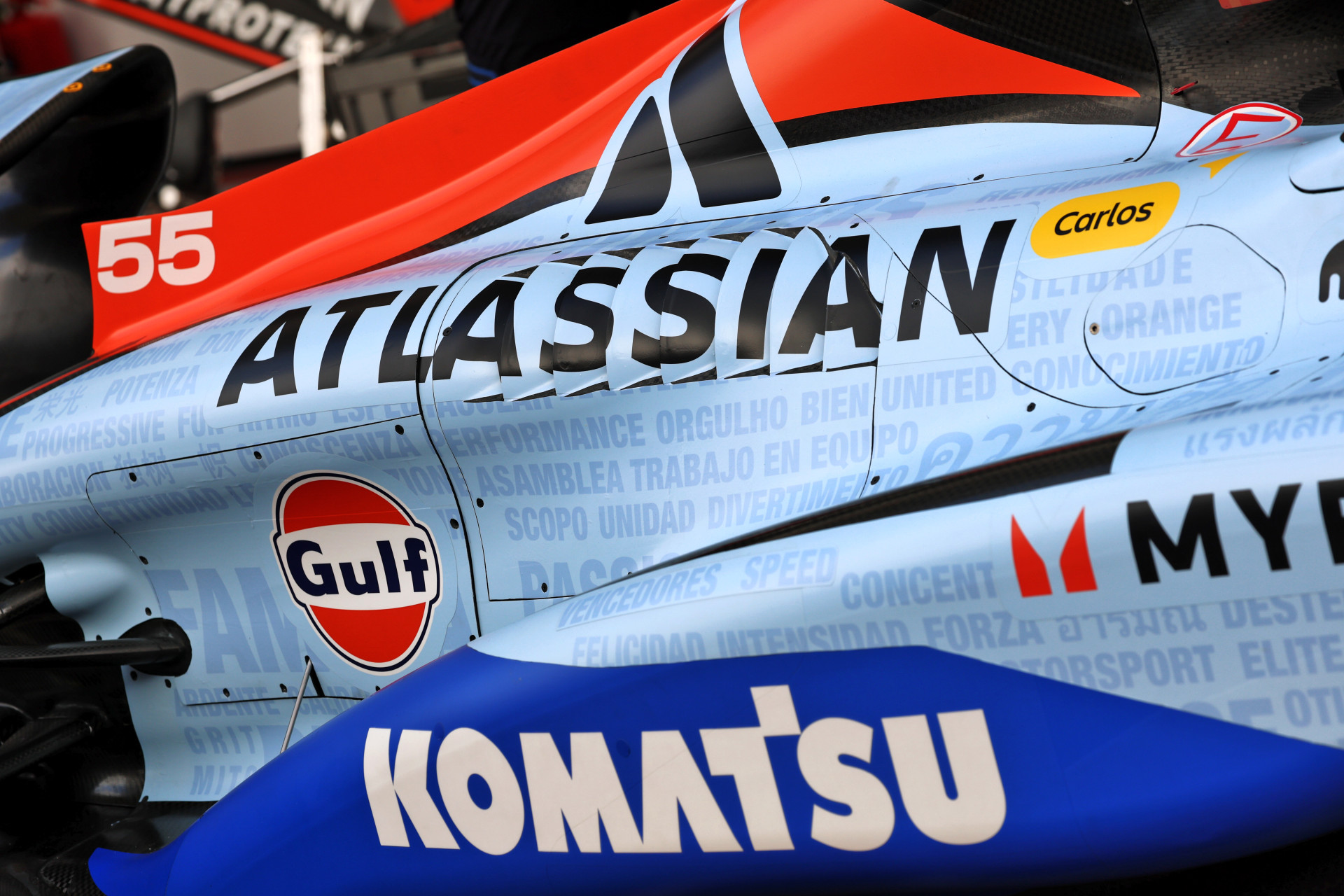
F1 Mandates Minimum Livery Coverage for 2026 Season
Formula 1 has approved a new rule for 2026, mandating that at least 55% of a car's surface must be covered by livery, addressing the trend of bare carbon fiber designs and aiming for greater visual differentiation. This proactive step comes as car weights are set to decrease further. Discussions also touched upon flexible driver numbers and updated aerodynamic testing restrictions, though critical pit-stop rules remain under review for the upcoming season.
Formula 1 is set to see more color on its cars in 2026, as officials have approved a new rule requiring at least 55% of a car's surface area to be covered by painted or stickered liveries. This move aims to reverse the recent trend of extensive bare carbon fiber designs, which teams have increasingly adopted to save weight. The F1 Commission also discussed potential changes to driver numbers and aerodynamic testing restrictions, while pit-stop regulations remain unresolved.
Why it matters:
For years, fans and critics have voiced concerns over the aesthetic decline of F1 cars, which often featured large sections of exposed carbon fiber in an effort to meet stringent weight limits. This new mandate directly addresses those criticisms, promising to bring more visual diversity and color back to the grid. It also highlights the FIA's proactive approach to the 2026 regulations, particularly as car weights are set to decrease further, preventing a repeat of the 'bare carbon' era.
The Details:
- Livery Mandate: The F1 Commission approved a rule requiring a "minimum of 55 percent of surface area (when viewed from the side and above) must be covered by painted or stickered liveries as opposed to bare carbon fibre surfaces."
- Objective: The primary goal is to "increase visual differentiation between cars" and enhance spectator experience by making cars more distinct and colorful.
- Weight Context: The issue of bare carbon was most prominent in 2022, the first year of the current technical regulations, when teams aggressively reduced paint to meet new weight targets. With minimum car weight expected to fall again for 2026, this proactive measure aims to curb a potential resurgence of unpainted designs.
- Driver Numbers: For the first time since their permanent introduction in 2014, driver numbers may be changeable. The Commission confirmed that "a proposal for drivers to change their numbers during their career would be permitted," though specific details are yet to be outlined.
- Aerodynamic Testing Restrictions (ATR): Changes are being developed to the current ATR system, which scales wind-tunnel and CFD allowances based on constructor standings. The FIA states these changes will "bring Formula 1 into line with contemporary processing and simulation technology while mindful of cost considerations."
- Unresolved Pit-Stop Rules: A proposal to mandate two tire changes in every Grand Prix (currently only enforced in Monaco) did not gain approval. Despite simulations and analysis from Pirelli and teams, "no changes were presently agreed," and discussions will continue into the 2026 season.
- Further Discussions: A separate idea requiring drivers to use all three dry-compound tires in a race is still under discussion. Other topics, including driver cooling systems and engine usage within the cost cap, are on the agenda for future meetings.
What's next:
The newly mandated livery rule ensures a more vibrant grid come 2026, pleasing fans who have longed for more distinct car designs. While the changes to driver numbers and ATR signal ongoing evolution, the unresolved pit-stop discussions suggest that some fundamental race day regulations are still far from settled. The FIA's proactive engagement on visual and technical aspects of the 2026 season underlines a broader effort to refine the sport, balancing performance, cost, and fan appeal.