F1 Mandates New Mirror Hazard Lights for 2026 Safety
F1's 2026 regulations mandate new yellow hazard lights on rear-view mirrors to improve visibility in heavy rain, addressing safety gaps in wet conditions.
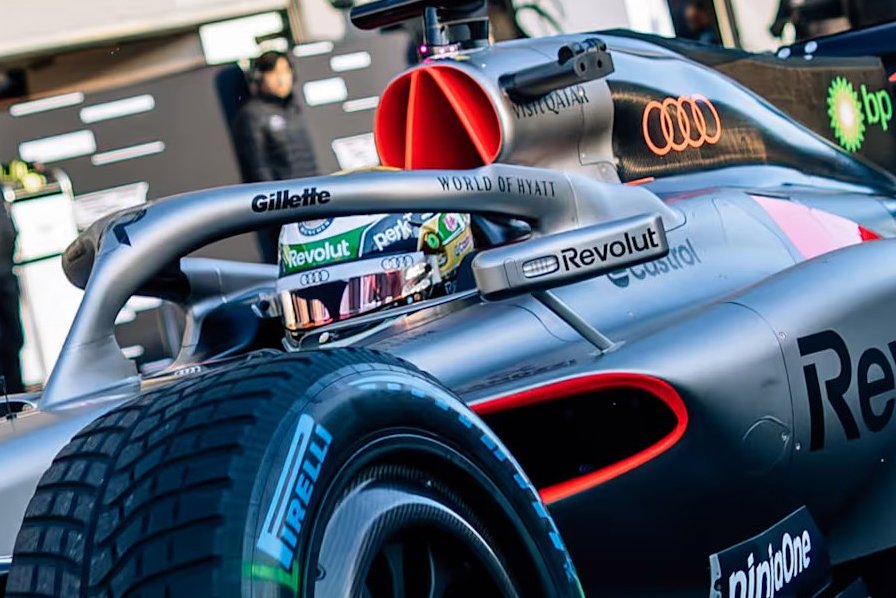
Formula 1 is introducing mandatory yellow hazard lights on rear-view mirrors starting in 2026, a significant safety upgrade designed to enhance visibility during heavy rain. This addition, spotted during recent testing in Barcelona, complements the traditional rear rain light and aims to prevent accidents caused by poor sightlines in spray.
Why it matters:
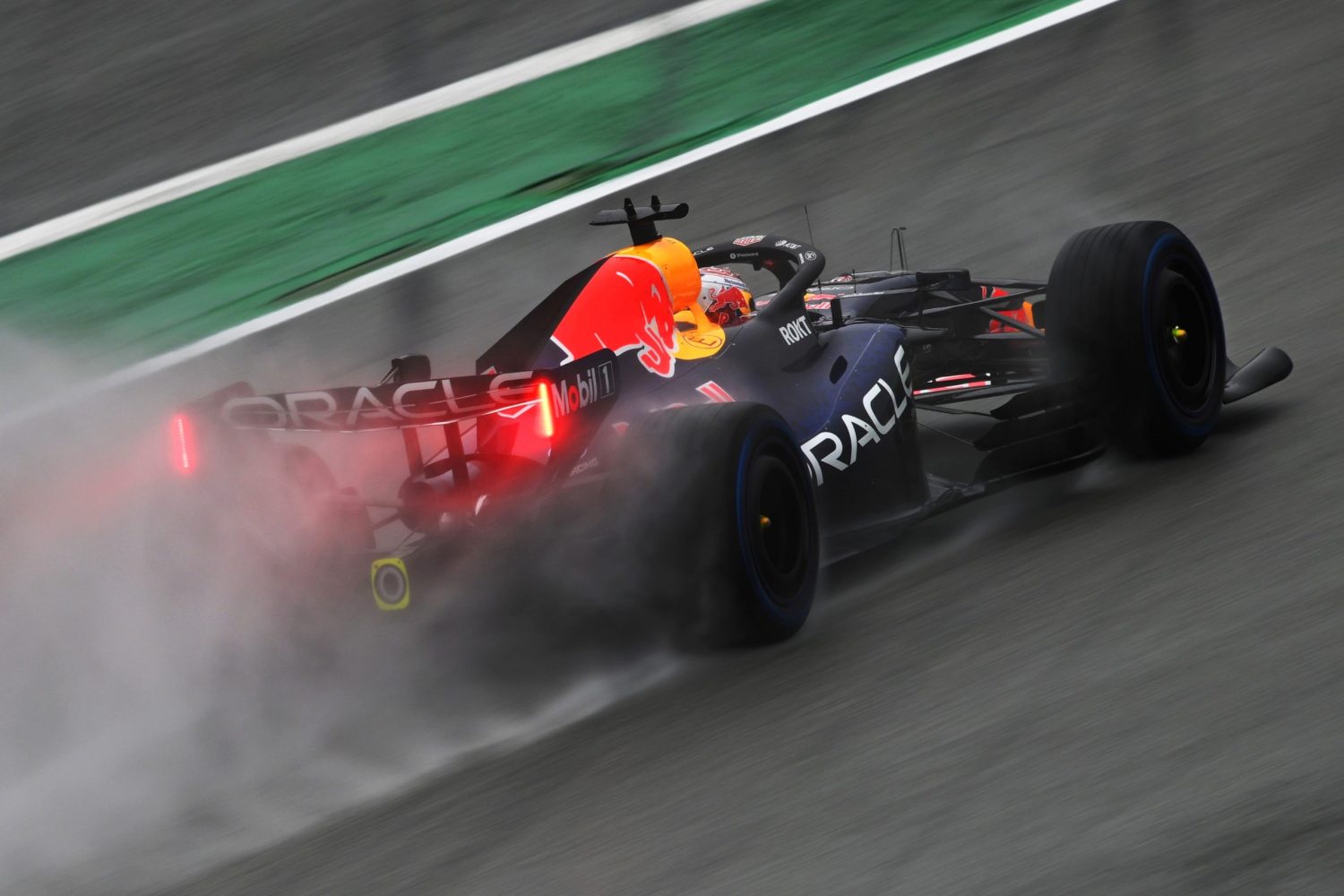
Wet races have historically been some of the most dangerous sessions in F1 due to spray obscuring vision. The current single red light at the rear is ineffective when a car spins or rejoins the track at an angle. This new system addresses a critical blind spot that has contributed to crashes over the last decade, ensuring drivers can spot slowing or stranded cars from multiple angles.
The details:
- Visibility Gaps: Former strategist Bernie Collins noted that the traditional rear rain light works well when following directly behind but fails if a car spins or returns to the track sideways.
- Multi-Angle Safety: The new mirror lights ensure the car is visible from various angles, not just the rear, which is crucial in dense spray where cars can disappear just meters away.
- Road Car Influence: This marks the first time F1 has adopted a feature directly inspired by standard road car hazard lights, bridging the gap between consumer safety tech and motorsport.
- Aerodynamic Integration: The 2026 aerodynamic regulations reshaped the mirrors, naturally housing these lights without disrupting airflow or driver sightlines.
The big picture:
While the flashing mirrors may seem like a minor detail compared to the sweeping changes in power units and aerodynamics, they reflect a philosophical shift in safety. It is a move toward practical, road-relevant solutions that prioritize driver welfare. As the 2026 era begins, these lights will become a standard part of the sport's visual language, potentially proving vital in the split seconds where visibility determines safety.
Don't miss the next lap
Get the deep dives and technical analysis from the world of F1 delivered to your inbox twice a week.
Zero spam. Only high-octane analysis. Unsubscribe anytime.
Join the inner circle
Get the deep dives and technical analysis from the world of F1 delivered to your inbox twice a week.
Zero spam. Only high-octane analysis. Unsubscribe anytime.
Continue Reading
View More News