F1 Mandates New Sidelights to Improve Wet Weather Safety
F1 has introduced new flashing sidelights to improve visibility during wet races. The regulation aims to help drivers spot spinning cars in poor conditions, part of broader safety upgrades by the FIA.
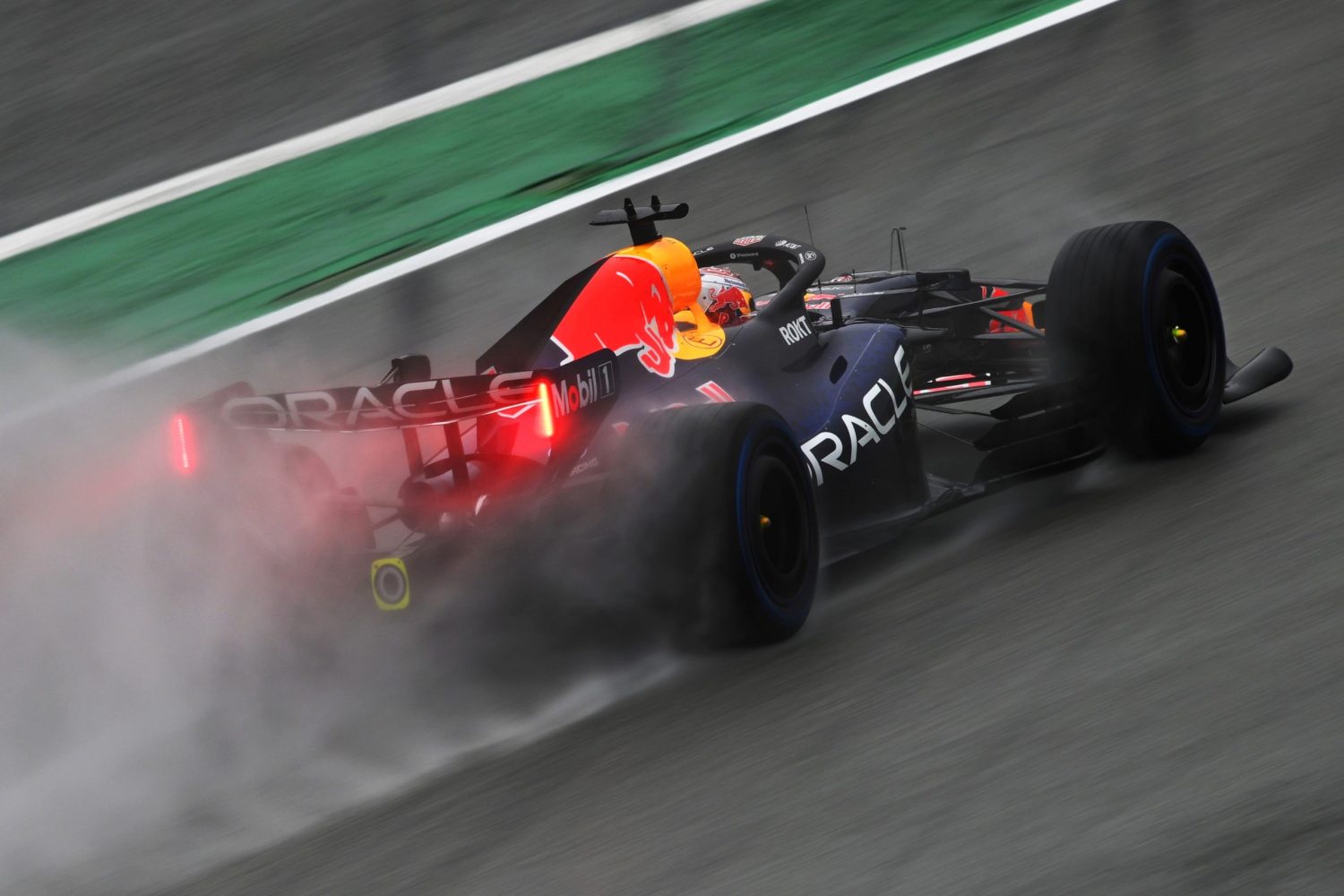
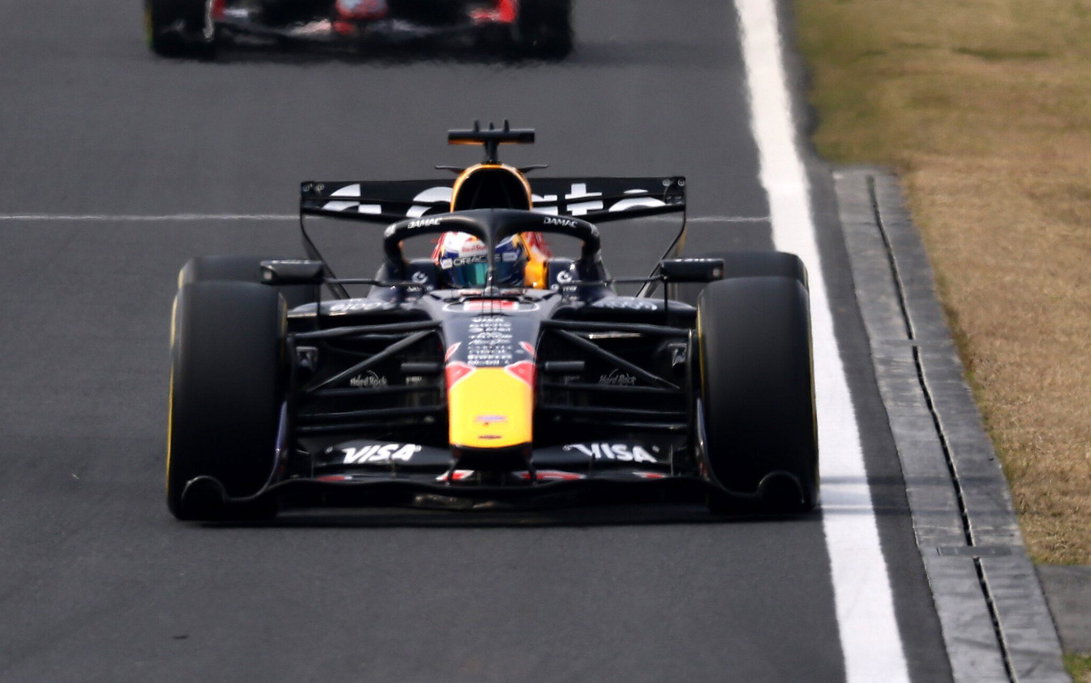
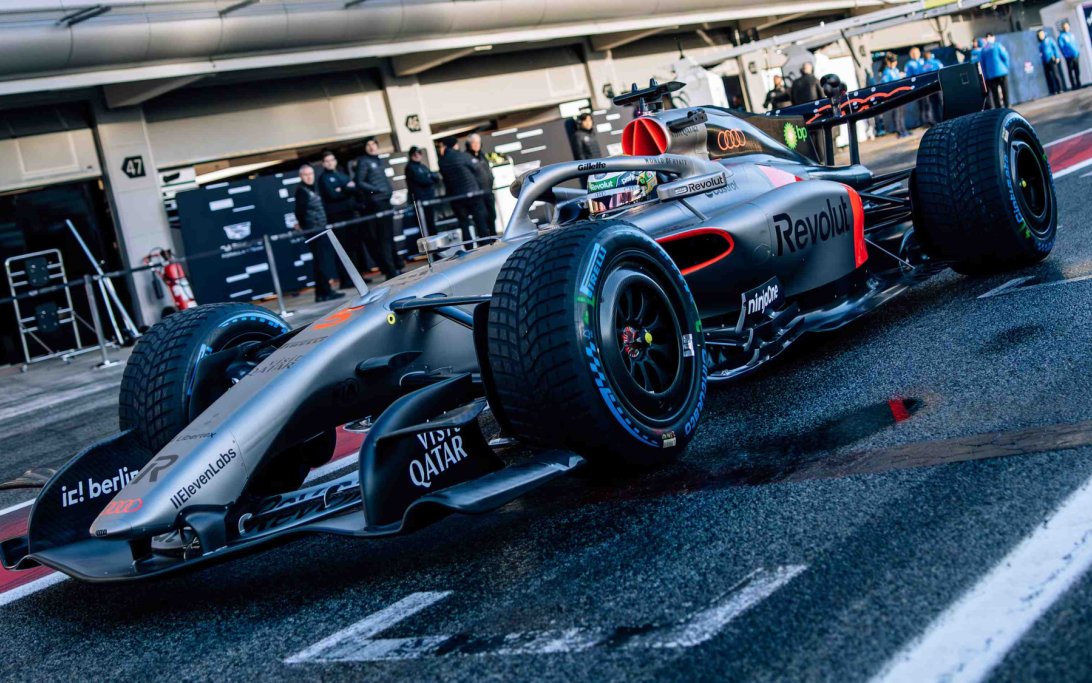
Formula 1 has officially introduced a new safety feature this season that brings the sport closer to road car standards: flashing sidelights. The FIA mandated these additional lights to address critical visibility issues during wet races, specifically helping drivers identify spinning cars that are positioned sideways across the track.
Why it matters:
Wet weather conditions remain one of the most treacherous environments in motorsport, often blinding drivers with massive clouds of spray. While the rear rain light has been essential for following cars, it offers little help when a vehicle spins broadside. These new sidelights act as hazard warning lights, providing a crucial visual cue that could prevent high-speed collisions in poor visibility.
The details:
- Technical Regulation: Under Article 14.3.3 of the FIA Technical Regulations, teams are now required to install "two further lights" on the side of the car, supplementing the existing single red light on the rear.
- Strategic Visibility: FIA single-seater director Nikolas Tombazis emphasized that the goal is to counter dangerous scenarios where a spinning car ends up lateral to oncoming traffic. The lights allow approaching drivers to spot the hazard sooner and react accordingly.
- Structural Safety: The lighting system is part of a comprehensive safety update. The roll hoop has been made "quite a lot stronger," and side impact structures are now tougher to withstand heavier crashes.
- Nose Design: Engineers have also redesigned the front nose to endure lateral impacts without detaching. This ensures that the car's primary safety structures remain intact during complex accidents, rather than breaking away and leaving the monocoque exposed.
Looking Ahead:
The new system was recently spotted in action during testing when Isack Hadjar crashed his Red Bull, validating the regulation's immediate relevance. As F1 continues to evolve, the FIA is making it clear that safety remains the ultimate priority, ensuring that as cars get faster, the measures to protect drivers keep pace.
Don't miss the next lap
Get the deep dives and technical analysis from the world of F1 delivered to your inbox twice a week.
Zero spam. Only high-octane analysis. Unsubscribe anytime.
Join the inner circle
Get the deep dives and technical analysis from the world of F1 delivered to your inbox twice a week.
Zero spam. Only high-octane analysis. Unsubscribe anytime.
Continue Reading
View More News