F1 rookie Lindblad offers calm counterpoint to Verstappen's harsh verdict on 2026 cars
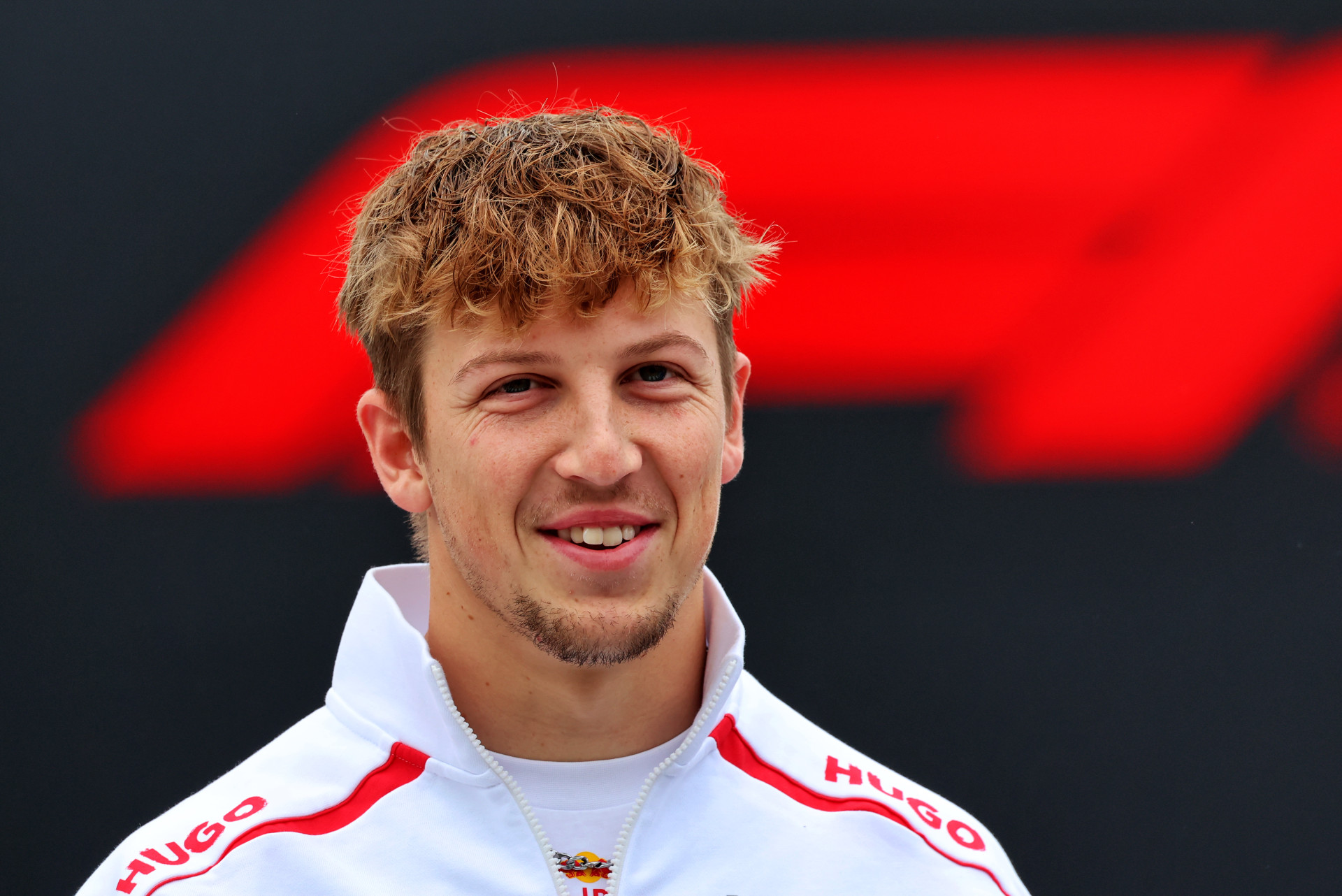
F1 rookie Arvid Lindblad offered a calm counterpoint to Max Verstappen's harsh "Formula E on steroids" critique of the 2026 cars, stating he focuses on controllable factors and sees the new rules as an exciting challenge to master with his team.
While Max Verstappen launched a scathing critique of Formula 1's new 2026 cars, calling them "a Formula E on steroids," Red Bull junior and upcoming F1 rookie Arvid Lindblad presented a contrasting, unfazed perspective. The young driver emphasized focusing on controllable factors and adapting to the new technical challenge, highlighting a generational divide in reaction to the sport's evolution.
Why it matters:
Verstappen's vocal criticism carries significant weight as a reigning champion, potentially shaping public and paddock perception of the new era. However, Lindblad's calm, workmanlike approach represents the mindset of a new generation of drivers who see regulatory change as a standard part of the sport—a challenge to be mastered rather than an inherent problem. This contrast underscores the different pressures and viewpoints between established stars and those fighting for a foothold on the grid.
The details:
- Verstappen's Verdict: During pre-season testing in Bahrain, the four-time world champion was openly critical of the 2026 specification cars and revised regulations, using the provocative "Formula E on steroids" description that sparked widespread discussion.
- Lindblad's Focus: When asked about the criticism, the 18-year-old Red Bull junior, preparing for his F1 debut, stated he doesn't dwell on it. "If I'm being honest, it's not really something I think about, because it's something I can control, it is the way it is," Lindblad told media including GPblog. He added his focus is on "working hard with the team, try to understand the package, understand the PU, and get the most out of it."
- Other Driver Reactions: Mercedes' George Russell and McLaren's Lando Norris also offered more measured views than Verstappen. Russell acknowledged the raw power available but urged patience, saying, "I also think it's going to progress a huge amount in the coming months. So, we've got to give it time."
What's next:
The true test of the 2026 regulations will come on track. While veteran drivers like Verstappen leverage their platform to critique the direction of the sport, rookies and younger drivers like Lindblad will be tasked with quickly adapting to the new machinery. The focus will now shift from initial reactions to the development race, as teams work to understand and optimize their packages ahead of the new season, determining whether the cars evolve into a praised or criticized part of F1's future.
Don't miss the next lap
Get the deep dives and technical analysis from the world of F1 delivered to your inbox twice a week.
Zero spam. Only high-octane analysis. Unsubscribe anytime.
Join the inner circle
Get the deep dives and technical analysis from the world of F1 delivered to your inbox twice a week.
Zero spam. Only high-octane analysis. Unsubscribe anytime.
Continue Reading
View More News