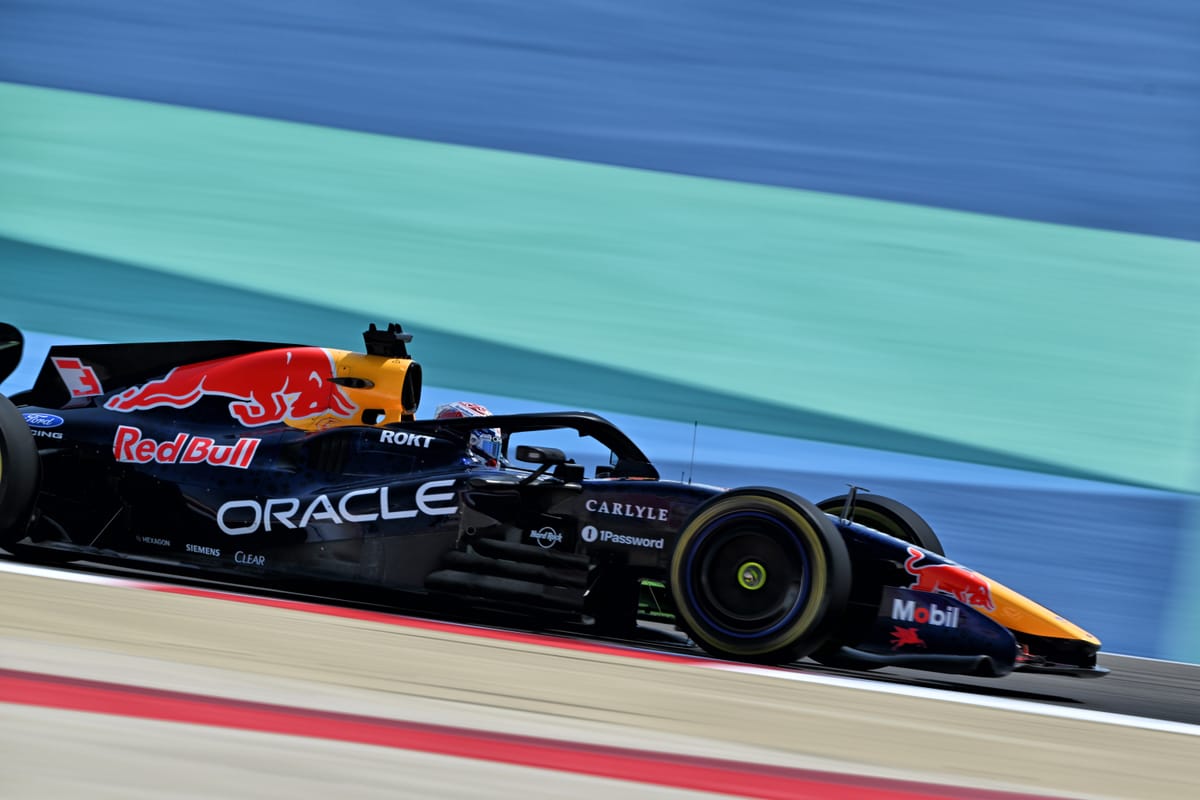
F1's 2026 Cars Leave a Deeply Underwhelming First Impression in Bahrain Testing
First on-track footage of F1's 2026 cars from Bahrain testing reveals an energy-starved, underwhelming package. Cars appear slow through high-speed corners, with drivers forced into excessive lifting and coasting, leading to criticism from figures like Fernando Alonso and Max Verstappen about a loss of driving challenge and spectacle.
The first proper on-track glimpse of Formula 1's 2026 cars during Bahrain testing has left a deeply underwhelming impression, with the new generation of machinery appearing energy-starved, slow through high-speed corners, and fundamentally at odds with the sport's core identity as the pinnacle of motorsport.
Why it matters:
The initial visual and performance feedback from testing suggests the 2026 technical regulations, designed to attract new manufacturers like Audi, may have compromised the essential driving challenge and spectacle of F1. If the cars are perceived as too easy to drive and too focused on energy management over outright performance, it risks alienating both drivers and fans, potentially undoing years of progress in making the cars faster and more engaging.
The details:
- Onboard footage from testing, particularly of Lando Norris's McLaren and Kimi Antonelli's Mercedes, showed cars visibly starved of power through high-speed corners like Bahrain's Turns 12 and 13.
- Fernando Alonso offered a damning assessment, stating the cars are now so slow through these previously challenging corners that "the chef can drive the car" at that speed, highlighting a severe reduction in driver skill requirement.
- The lap appears to be an "energy-starved mess," characterized by excessive lifting, coasting, and unusual techniques like mashing downshifts in slow corners to recycle energy, rather than a display of pure speed and commitment.
- The fundamental issue seems to be a ruleset that has created underpowered hybrid engines, forcing the FIA to design a "wacky chassis formula" with movable aerodynamics and lighter cars in a desperate attempt to claw back lost performance.
The big picture:
This problematic first impression arrives amidst significant political infighting even before the first race. Teams are already at odds over start procedures, engine compression ratios, and the fundamental raceability of the cars. Max Verstappen has been openly critical, describing the new formula as "anti-racing," while concerns mount that qualifying will become an exercise in energy management rather than a flat-out lap. The regulations, crafted to entice new engine manufacturers, appear to have created a Frankenstein's monster—a compromised package that fails to deliver a cohesive or exciting product.
What's next:
While it's early days and performance will inevitably improve as teams develop their cars, the starting bar looks worryingly low. The fear is that the spectacle at fast circuits like the revised Albert Park season opener could be an embarrassment, with cars coasting through high-speed sections to conserve energy. The hope rests on ingenious engineering and development closing the current yawning chasm between the underpowered engines and the chassis built to compensate for them. However, the risk remains that fans may switch off before that development race bears fruit, marking a precarious start to F1's next era.