F1's 2026 'Corner Mode' Explained: How Active Aero Will Work
F1's 2026 regulations will introduce an active aerodynamics system featuring 'corner mode' and 'straight mode.' This allows drivers to manually switch the car between a high-downforce setup for corners and a low-drag configuration for straights, moving beyond the current DRS to become a fundamental strategic tool for managing race performance.
Formula 1 is introducing a new 'corner mode' in 2026 as part of a major active aerodynamics overhaul, fundamentally changing how drivers manage their cars' downforce during a race. The system works in tandem with a 'straight mode,' allowing the front and rear wings to physically adjust between high-downforce and low-drag configurations. This marks a significant evolution from the current Drag Reduction System (DRS), creating a more dynamic and strategic tool for drivers to use.
Why it matters:
The 2026 technical regulations aim to make the cars more efficient and raceable. By giving drivers direct control over aerodynamic settings for specific track sections, 'corner mode' and 'straight mode' are designed to reduce the negative effects of dirty air, promote closer racing, and add a new layer of in-race strategy. It represents a shift from a single-purpose overtaking aid (DRS) to an integrated performance management system.
The Details:
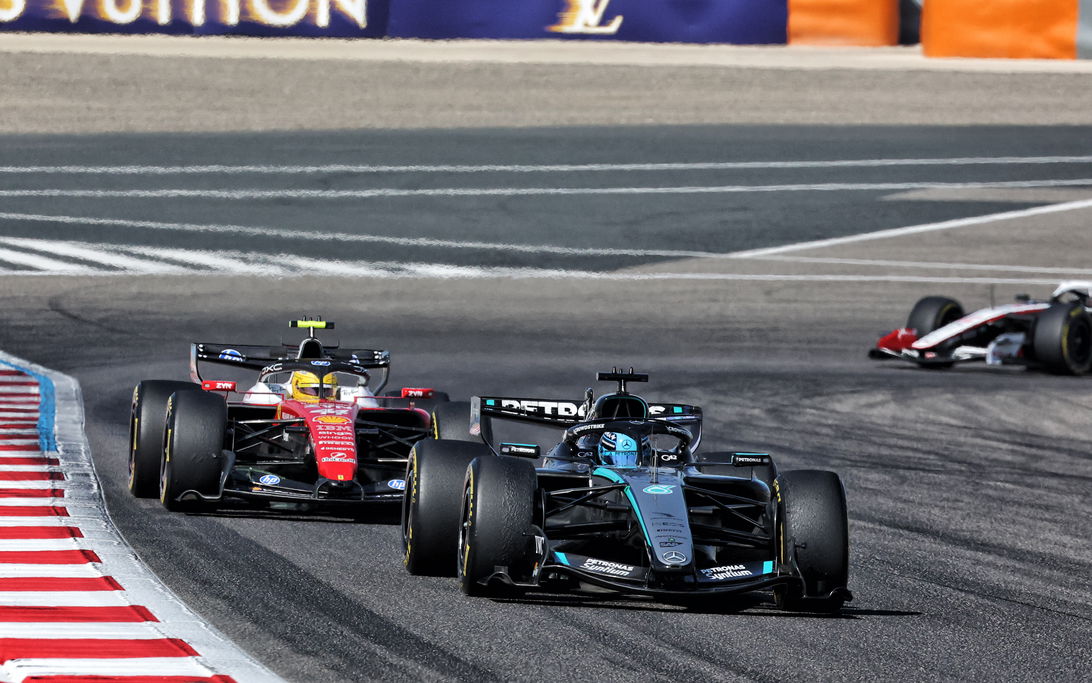
- Two Modes, One System: The 2026 active aero system operates in two distinct settings. 'Straight mode' reduces drag by opening the rear wing's main plane (similar to DRS) and lowering elements of the front wing flap. 'Corner mode' is the default high-downforce state, where both wings close to provide maximum grip for cornering.
- Driver Activation: Drivers will manually activate 'straight mode' within designated zones on the circuit, likely on the longest straights. The car will then automatically revert to 'corner mode' as the driver approaches the next braking zone, ensuring optimal downforce is available.
- Mandatory Synchronization: Unlike current rules where only the rear wing moves with DRS, the 2026 system requires both the front and rear wings to move in unison. Both must open for 'straight mode' and both must close for 'corner mode,' creating a balanced aerodynamic change.
What's next:
The introduction of 'corner mode' is a cornerstone of F1's 2026 vision. As teams develop their new-generation cars, mastering the seamless transition between these aerodynamic states will be a critical performance differentiator. Expect to see drivers and teams experimenting heavily with activation strategies during the 2026 pre-season tests, turning what is now a novel concept into a core part of racecraft for the new era.
Don't miss the next lap
Get the deep dives and technical analysis from the world of F1 delivered to your inbox twice a week.
Zero spam. Only high-octane analysis. Unsubscribe anytime.
Join the inner circle
Get the deep dives and technical analysis from the world of F1 delivered to your inbox twice a week.
Zero spam. Only high-octane analysis. Unsubscribe anytime.
Continue Reading
View More News