F1's 2026 Engine Revolution: New Rules and Penalties Explained
F1's 2026 rules introduce power units with 50% electrical energy, forcing a revolution in driving style. Alongside this technical shift, stricter limits on engine parts and severe grid penalties aim to control costs, setting the stage for a season defined by adaptation and reliability.
Formula 1's 2026 season marks its most radical technical shift in years, introducing power units where the electrical battery now provides roughly half the total power. This forces drivers to adopt a completely new driving style, lifting off the throttle in corners to regenerate energy, while teams face stricter, cost-slashing limits on engine component usage.
Why it matters:
This overhaul represents F1's boldest power unit change since the hybrid era began, fundamentally altering race strategy and car development. The push for 50% electrical power is a major step in the sport's sustainability goals, but it places immense pressure on teams to master new technology and on drivers to re-learn energy management. Simultaneously, tighter component limits aim to dramatically control the astronomical costs of F1's engine development wars.
The details:
- Driving Revolution: The core change is the near 50/50 split between internal combustion and electrical power. Drivers can no longer be flat-out through corners; they must strategically lift and coast to recharge the battery, making energy management a real-time, lap-by-lap tactical skill.
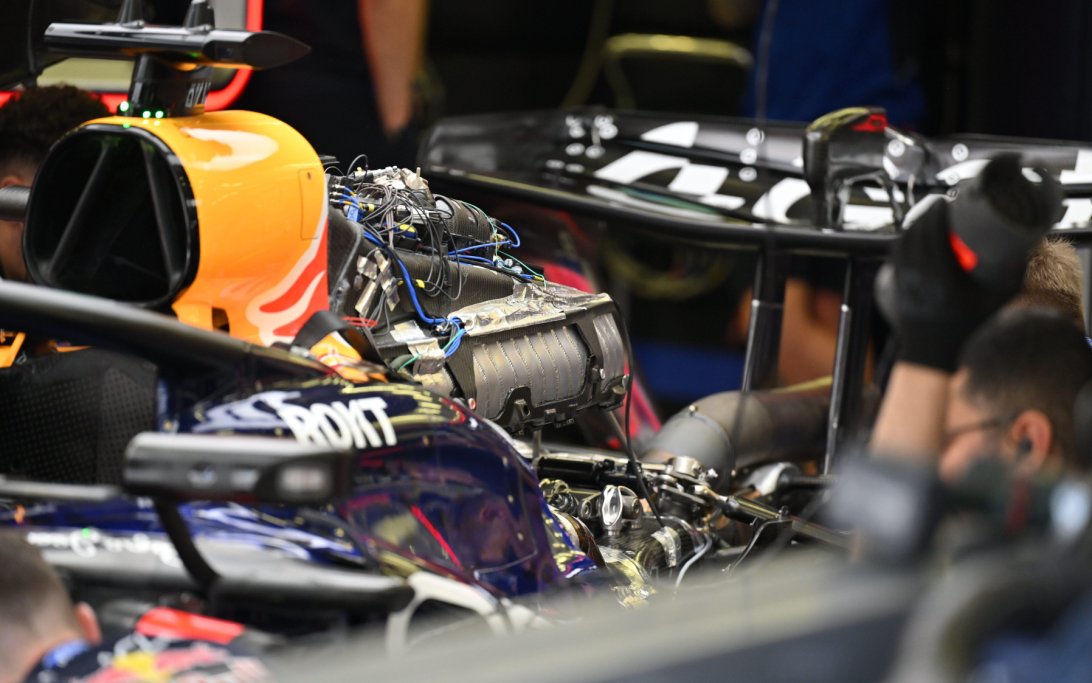
- Component Allowance: For 2026, the FIA is providing a slight buffer for the new, complex units. Each driver gets a bonus component for the Internal Combustion Engine (ICE), MGU-K, Turbocharger, Energy Store, and Control Electronics.
- Example: The ICE allocation is four for 2026, but one is a bonus. The base allocation drops to three from 2027 onwards.
- Stricter Limits: Other parts face immediate cuts. The exhaust allocation has been halved from eight to four per driver for this season, dropping to three in 2027.
- Penalty Structure: Penalties for exceeding limits remain severe. The first replacement of a component beyond the allocation incurs a 10-place grid drop. Each subsequent violation for that same component type brings a 5-place grid penalty.
- Technical Simplicity: The complex and costly MGU-H (Motor Generator Unit – Heat) has been eliminated from the power unit formula entirely.
What's next:
The 2026 season will be a year of intense adaptation and reliability discovery. Teams that best optimize the new power delivery and manage their strict component pool will gain a crucial early advantage. While the bonus parts offer a learning cushion for 2026, the true financial and sporting squeeze begins in 2027 when allocations tighten further, making durability and strategic planning more critical than ever.
Don't miss the next lap
Get the deep dives and technical analysis from the world of F1 delivered to your inbox twice a week.
Zero spam. Only high-octane analysis. Unsubscribe anytime.
Join the inner circle
Get the deep dives and technical analysis from the world of F1 delivered to your inbox twice a week.
Zero spam. Only high-octane analysis. Unsubscribe anytime.