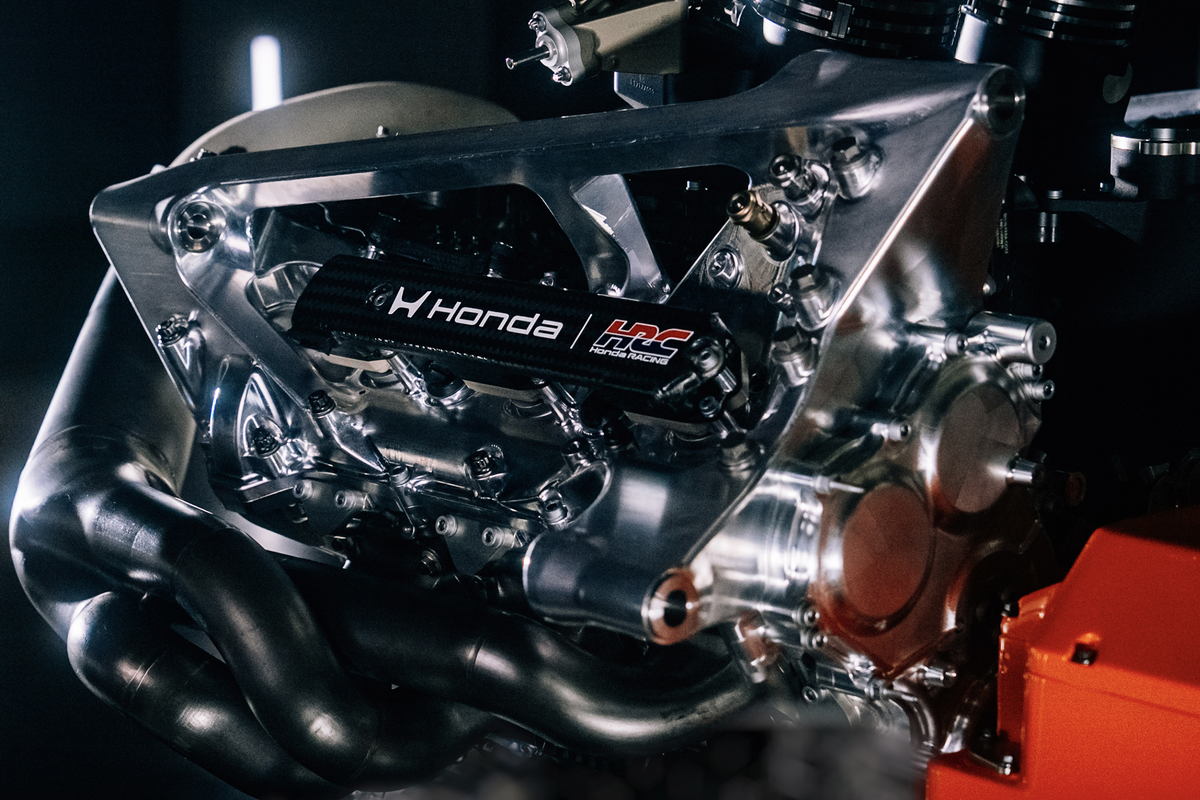
F1's 2026 Power Unit Overhaul: Key Changes Explained
F1's 2026 regulations introduce a 50/50 power split, remove the MGU-H, and replace DRS with an electric Overtake Mode while mandating sustainable fuels.
Formula 1 is revolutionizing its power unit regulations for 2026, marking the end of a 12-year rule cycle. The new rules prioritize electrical power, targeting a near 50/50 split between the internal combustion engine and electric energy, fundamentally changing how cars generate speed and how drivers approach racing.
Why it matters:
This shift is critical for the sport's future relevance and environmental goals. By increasing electrical output to 350kW and eliminating the complex MGU-H, F1 aims to simplify engine architecture while making racing more sustainable. The removal of DRS in favor of an electric Overtake Mode also promises to redefine on-track battles and strategy.
The details:
- Power Split: The 1.6-liter turbo V6 engines will aim for a theoretical 50/50 split between combustion and electrical power, though the ICE will still handle the majority of the load over a single lap.
- Electrical Boost: The MGU-K power output jumps significantly to 350kW, nearly triple the previous 120kW limit. The MGU-H has been scrapped to simplify the systems.
- Overtake Mode: Replacing the traditional Drag Reduction System (DRS), drivers within a second of the car ahead will receive an automatic 0.5MJ energy boost for the next lap.
- New Terminology: Drivers will manage "Boost" (manual deployment) and "Recharge" (harvesting energy via coasting or automatic ECU control).
- Sustainable Fuels: Teams must use fuels derived from non-food biomass that meet strict greenhouse gas emission thresholds, verified by the FIA.
What's next:
With these regulations set, manufacturers are now deep in development. The focus shifts to chassis integration and ensuring these sustainable fuels deliver the performance expected at the pinnacle of motorsport.
Don't miss the next lap
Get the deep dives and technical analysis from the world of F1 delivered to your inbox twice a week.
Zero spam. Only high-octane analysis. Unsubscribe anytime.
Join the inner circle
Get the deep dives and technical analysis from the world of F1 delivered to your inbox twice a week.
Zero spam. Only high-octane analysis. Unsubscribe anytime.
Continue Reading
View More News