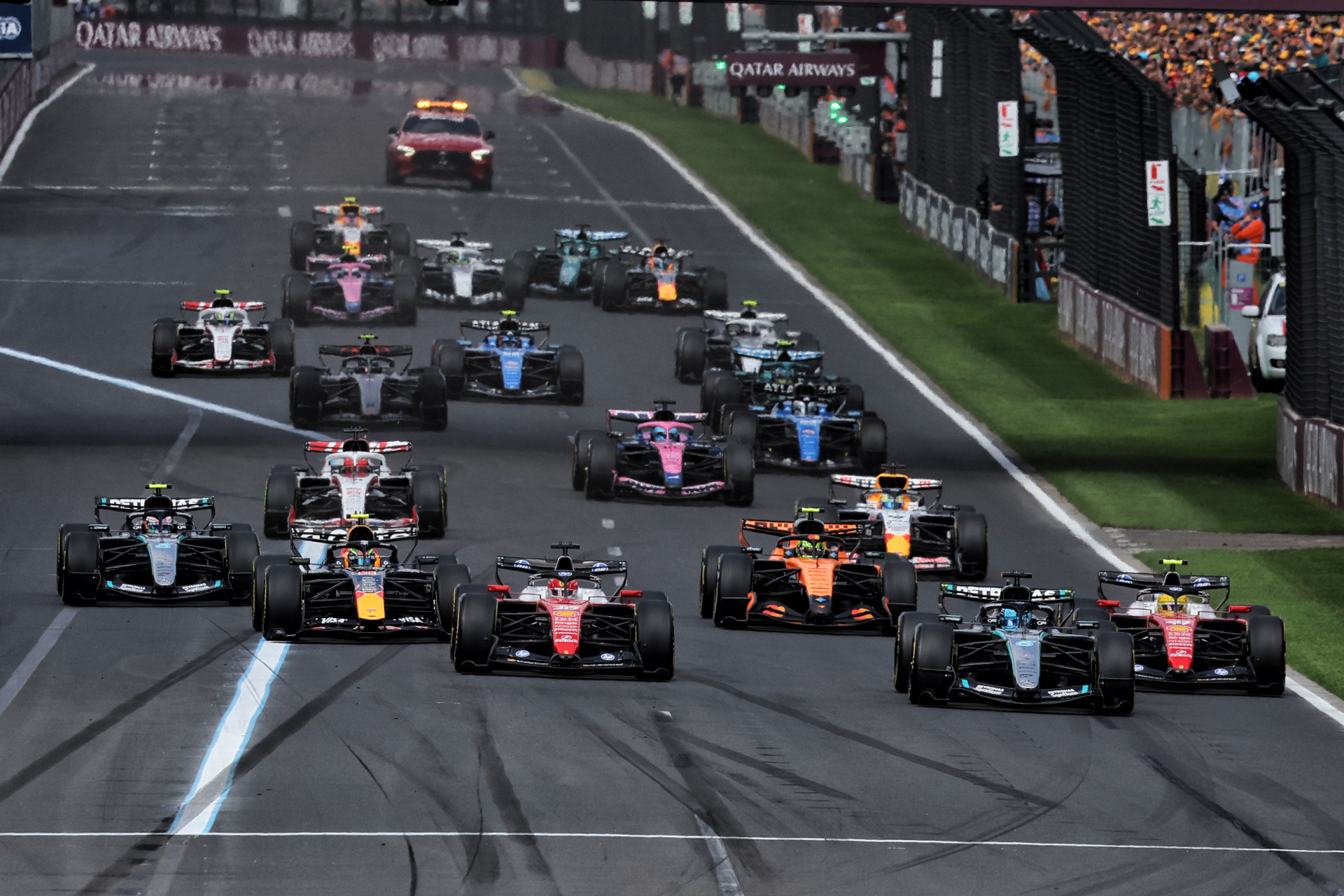
F1's 2026 Regulations Spark Debate After Action-Packed Australian GP
F1's new 2026 regulations produced a record number of overtakes and thrilling battles at the Australian Grand Prix debut, but drivers are sharply divided. While some praised the action, stars like Norris and Verstappen heavily criticized the cars' feel and raised safety concerns, creating an early rift between on-track spectacle and competitor satisfaction.
The 2026 Formula 1 regulations delivered a dramatic and overtake-filled debut at the Australian Grand Prix, but the spectacle was met with sharply divided opinions from the drivers themselves. While Mercedes secured a one-two finish with George Russell leading Kimi Antonelli, the race featured intense battles and a massive surge in passing, yet top drivers criticized the new cars' feel and raised safety concerns.
Why it matters:
The 2026 rules represent one of the biggest technical shifts in modern F1, aiming to produce closer racing through new hybrid engines and active aerodynamics. The immediate on-track product appears successful, but if the drivers—the sport's stars—fundamentally dislike the machinery, it threatens the long-term credibility and appeal of the new era. This disconnect between spectacle and driver satisfaction presents a core challenge for the sport's stakeholders.
The details:
- The On-Track Show: The race featured 120 overtakes over 58 laps, a dramatic increase from 45 the previous year. The lead changed hands multiple times in an early fierce duel between George Russell and Charles Leclerc.
- Driver Criticism: Key voices were highly critical post-race.
- Lando Norris labeled the cars "the worst."
- Max Verstappen called the race "chaos," warning of dangerous speed differences when battery deployment suddenly ends.
- Esteban Ocon described energy-management overtaking as "painful," with positions swapping back on straights due to deployment.
- Sergio Perez said the racing felt "too artificial" and "a lot less fun."
- Safety Concerns: Carlos Sainz warned that the mix of active aerodynamics and large speed deltas could create dangerous situations in slipstreams.
- Supporting Voices: Not all feedback was negative. Race winner George Russell urged patience, while Lewis Hamilton said he "loved" driving the new car and found the race "really fun." Charles Leclerc suggested the rules may simply change overtaking strategy, requiring drivers to think several moves ahead due to energy management.
What's next:
The debate is far from settled after just one race. The initial data shows the regulations have successfully boosted overtaking and on-track action, a primary goal. However, addressing driver complaints about the "feel" and perceived artificiality of the racing will be a more complex, long-term challenge. The coming races will provide more data on consistency, safety, and whether teams and drivers can adapt their strategies to master the new energy-deployment chess game. The verdict on F1's new era will depend on whether the spectacle can eventually align with driver satisfaction.