F1's 2026 Revolution: A Complete Guide to the Biggest-Ever Rule Changes
The 2026 F1 season introduces the sport's most comprehensive rule change, featuring smaller, lighter cars, a shift away from ground-effect aerodynamics to active 'straight mode' wings, and a power unit revolution with a 50-50 engine-battery split. Overtaking will be aided by a new battery 'overtake button' instead of DRS, placing greater emphasis on driver skill and strategic energy management.
Formula 1 is undergoing its most radical transformation in decades for the 2026 season, with sweeping new regulations affecting the chassis, aerodynamics, and power units. The changes are designed to create smaller, more agile cars, shift the power balance towards electric energy, and fundamentally alter how drivers race and overtake on track.
Why it matters:
This comprehensive overhaul represents a pivotal moment for the sport's future direction. By addressing car size, sustainability, and overtaking challenges in one package, the FIA and F1 aim to create a more competitive, driver-centric, and technologically relevant spectacle. The success of these changes will define the competitive landscape for the second half of the decade and influence the road-car technologies of tomorrow.
The Details:
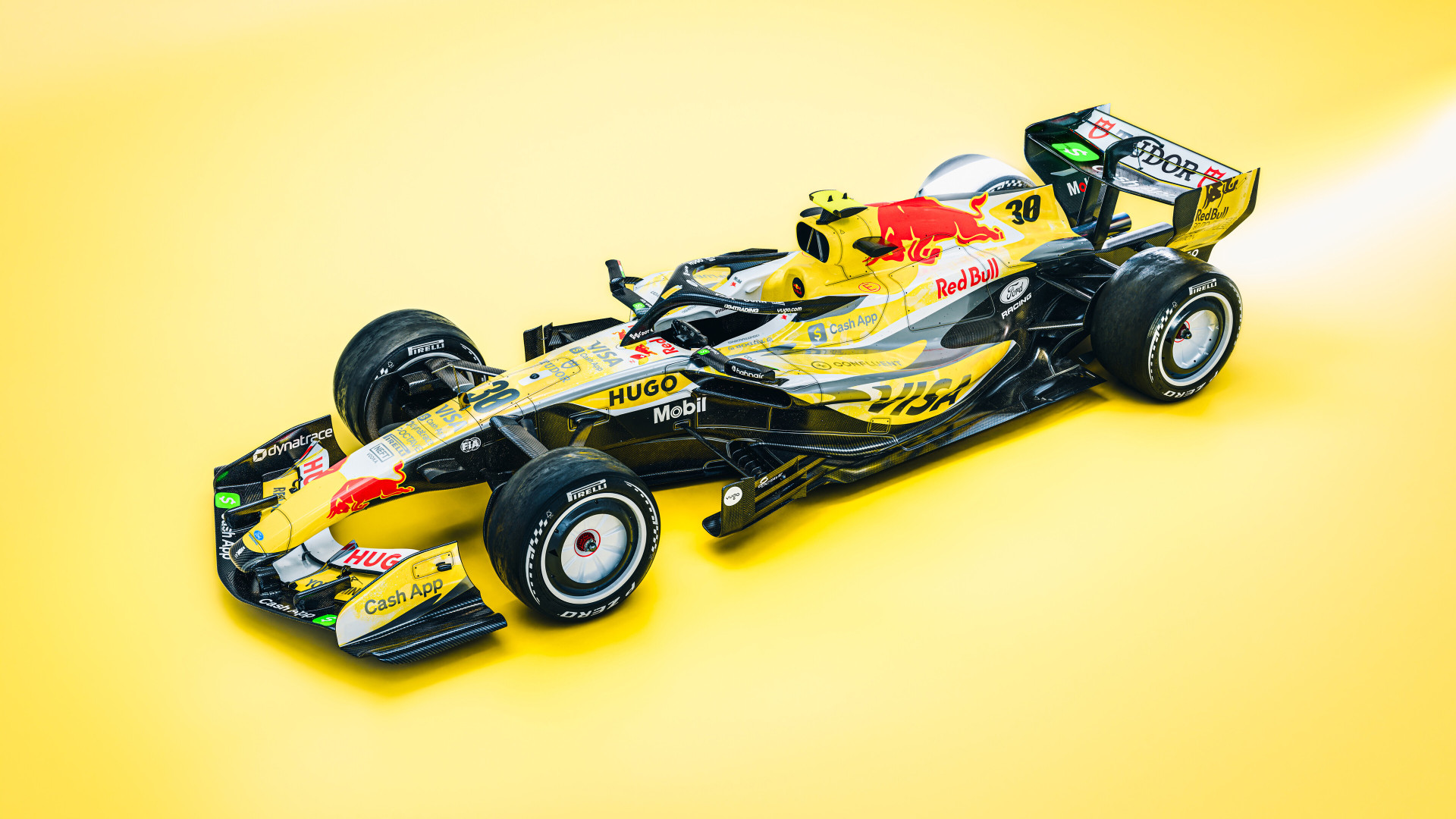
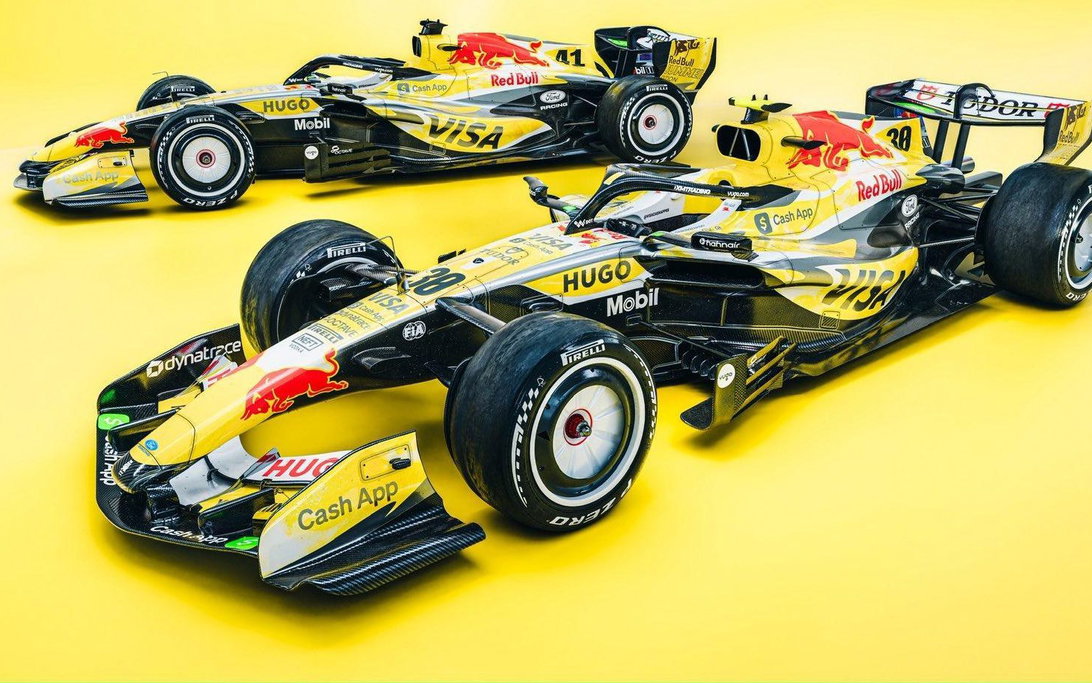
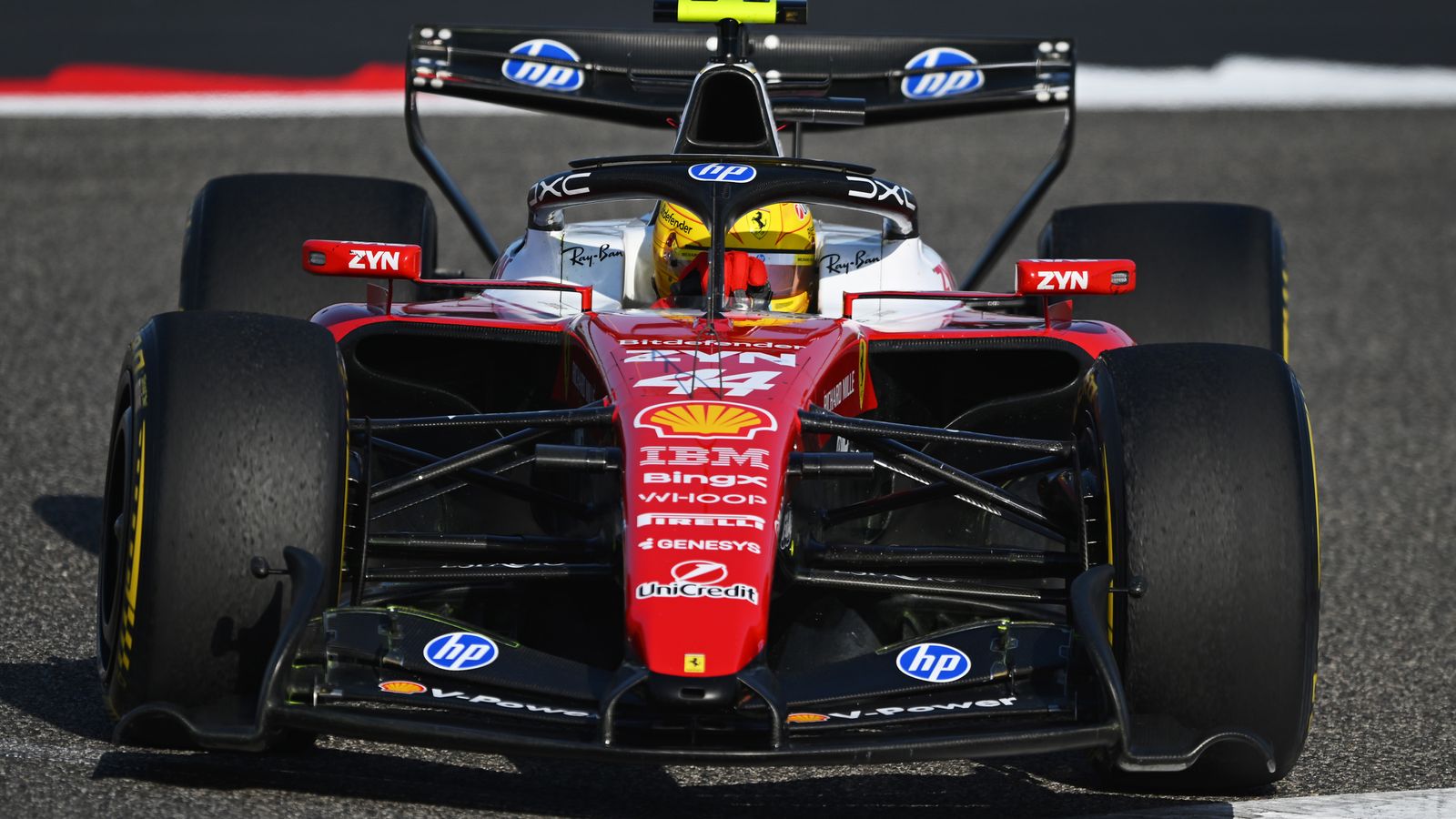
- Smaller, Lighter Cars: The 2026 chassis will be significantly smaller in both length and width, with a lower minimum weight. Accompanying this are new, smaller-diameter Pirelli tires with different compounds and performance characteristics.
- Aerodynamic Shift: The ground-effect era is over. The new aerodynamic platform resembles the pre-2022 philosophy, leading to cars running with more noticeable 'rake' (a higher rear ride height).
- Active Aero Introduced: A new 'straight mode' will be activated on designated straights every lap. Both the front and rear wings will move to reduce drag and boost straight-line speed for all cars, regardless of their position on track.
- Power Unit Revolution: The hybrid power unit sees the biggest technical shift. The balance of power moves to a near 50-50 split between the internal combustion engine (ICE) and the battery.
- The controversial MGU-H, which harvested energy from turbo heat, is banned. This necessitates larger batteries and nominally bigger turbos.
- The goal is a simpler, more road-relevant power unit.
How Racing Will Change:
The new rules are designed to reshape the on-track product. Smaller cars should improve agility and overtaking. The reduction in downforce will make cars feel 'slippier,' placing more emphasis on driver skill and car control. The overtaking aid system is completely revised:
- Straight Mode replaces DRS as a track-specific, lap-by-lap drag reduction system available to every car.
- Overtake Button replaces the one-second DRS trigger. When within a second of a car ahead, a driver can press a button to deploy extra energy from the battery to close a gap or complete a pass.
- Energy Management becomes a more visible and critical strategic battle. Teams and drivers must decide where on a circuit to harvest, save, and deploy their electrical energy, creating potential for varied race strategies.
What's Next:
The 2026 season will be a year of discovery and adaptation. Teams and drivers are already reporting a need to 'rewire' their approach, with new skills required in energy management, car control with less grip, and revised race procedures like starts.
- Expect significant variability, especially at the start of the season and from circuit to circuit, as teams experiment with different energy deployment strategies.
- Some drivers may thrive in the new environment that rewards tire and energy management, while others who excel in pure qualifying pace may face a new challenge.
- For fans, the changes will be visible through new onboard graphics displaying energy states and the active movement of the wings on straights. The core strategic elements of tire management and pit stops remain, but are now layered with a more complex and visible energy battle.
Don't miss the next lap
Get the deep dives and technical analysis from the world of F1 delivered to your inbox twice a week.
Zero spam. Only high-octane analysis. Unsubscribe anytime.
Join the inner circle
Get the deep dives and technical analysis from the world of F1 delivered to your inbox twice a week.
Zero spam. Only high-octane analysis. Unsubscribe anytime.