F1's 2026 revolution: New rules, more electric power, and a charging era
The 2026 F1 season will launch a new era defined by a 50/50 power split between combustion and electric engines, a driver-activated 'recharge' mode for overtaking, and lighter, nimbler cars with active aerodynamics. These sweeping changes aim to make the sport more sustainable and competitive, coinciding with the arrival of new teams like Audi and Andretti.
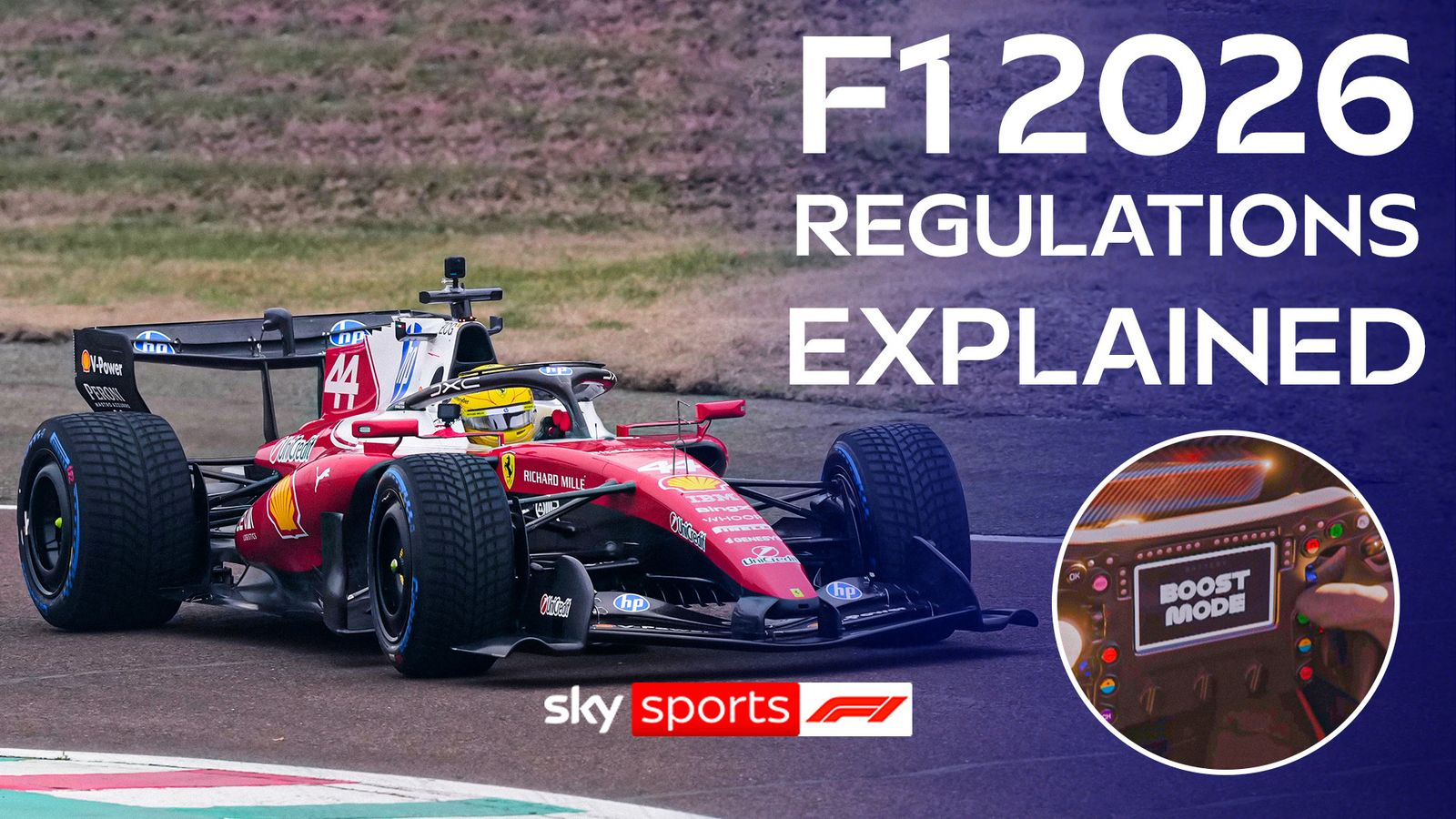
Formula 1 is set for its most radical technical overhaul in a generation for the 2026 season, introducing a new 'recharge' mode, a dramatic shift towards electric power, and welcoming new teams and engine suppliers. The changes aim to make the cars lighter, more agile, and more relevant to road car technology while maintaining the spectacle of the sport.
Why it matters:
The 2026 regulations represent a fundamental reset for the sport, balancing environmental sustainability with performance. By mandating a 50/50 split between internal combustion and electric power and introducing active aerodynamics, F1 is attempting to address long-standing criticisms about car size and weight while pushing innovation in hybrid technology. This shift could also level the playing field, offering a crucial opportunity for new manufacturers to enter and challenge the established order.
The details:
- Power Unit Revolution: The core change is a move to near-equal power from the Internal Combustion Engine (ICE) and the Energy Recovery System (ERS). The MGU-K will produce approximately 470 horsepower, nearly three times its current output, while the combustion engine's power will be reduced and run on fully sustainable fuel.
- Manual 'Recharge' Mode: A headline innovation is a driver-activated override button. This will allow drivers to temporarily deploy additional electrical energy from the battery to aid overtaking, adding a new strategic layer to races.
- Lighter, Smaller, Nimbler Cars: To combat ever-increasing size, 2026 cars will be shorter, narrower, and significantly lighter. A major reduction in downforce and the introduction of active aerodynamics—with a 'Z-mode' for low drag on straights and an 'X-mode' for high downforce in corners—aim to improve wheel-to-wheel racing.
- New Blood on the Grid: The new rules have already attracted new entrants. Audi will officially become a works team, and Ford is partnering with Red Bull Powertrains. The grid will also expand to 11 teams with the arrival of Andretti Global, pending final approval.
What's next:
Teams and power unit manufacturers are already deep into development for the 2026 season, with the new rules creating a high-stakes engineering race. The success of these regulations will be judged on whether they deliver the promised more competitive and exciting racing with lighter, more agile cars. If successful, the 2026 era could redefine Formula 1's technological identity and its appeal to a new generation of fans and manufacturers for years to come.
Don't miss the next lap
Get the deep dives and technical analysis from the world of F1 delivered to your inbox twice a week.
Zero spam. Only high-octane analysis. Unsubscribe anytime.
Join the inner circle
Get the deep dives and technical analysis from the world of F1 delivered to your inbox twice a week.
Zero spam. Only high-octane analysis. Unsubscribe anytime.
Continue Reading
View More News