F1's 2026 rules could turn qualifying into 'complete chaos', warn team bosses
F1 team bosses warn that the 2026 car regulations, with their complex energy recovery demands, could create chaotic qualifying sessions. Drivers will face a difficult juggling act between charging batteries and preparing tyres on out-laps, making them highly vulnerable to traffic and potentially turning grid order into a strategic lottery.
Formula 1's 2026 technical regulations, with their heavy emphasis on energy management, could create chaotic and unpredictable qualifying sessions according to leading team figures. Haas team principal Ayao Komatsu warned of the "potential for disaster" as drivers juggle battery charging, tyre preparation, and traffic on their out-laps, a view supported by McLaren and Williams engineers who anticipate a significant strategic challenge.
Why it matters:
Qualifying is a critical, high-pressure session that sets the grid and often dictates race outcomes. Introducing a layer of complex energy management that is highly sensitive to traffic could shift the balance from pure driver and car performance towards operational luck and pre-session simulation work. This change risks making the starting order less reflective of outright pace and more susceptible to strategic gambles and on-track incidents.
The details:
- The 2026 power units mandate a near 50/50 split between combustion and electric power, forcing drivers to strategically harvest and deploy electrical energy for optimal lap times.
- The Out-Lap Conundrum: The primary challenge will be the qualifying out-lap. Drivers must drive slowly in certain corners to regenerate battery charge, but then need full throttle on straights to build momentum for the flying lap. Being blocked by traffic at this crucial stage could ruin the entire lap.
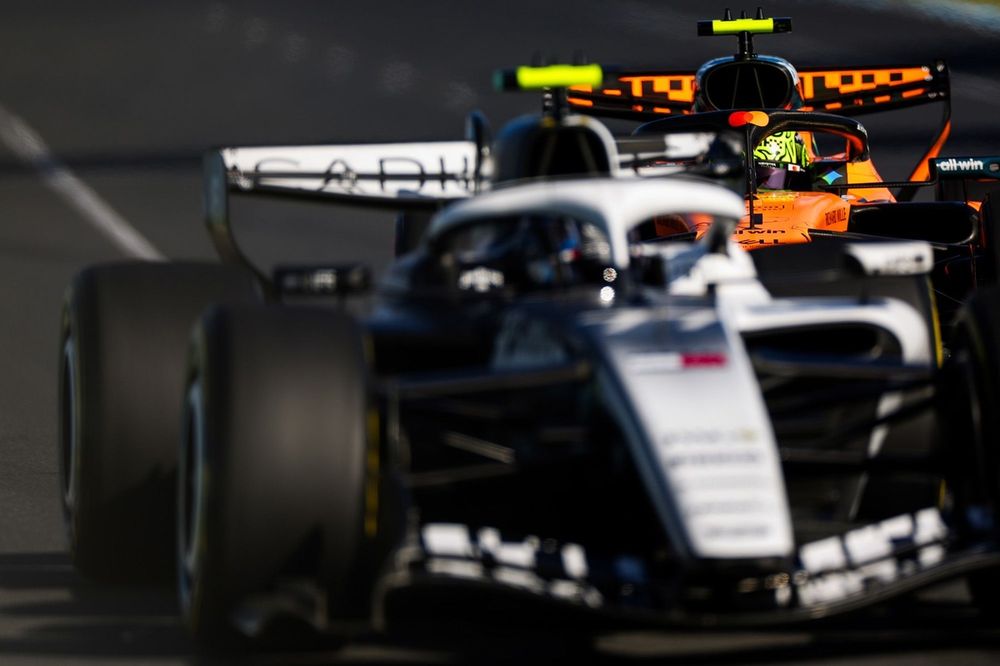
- Track-Specific Amplification: The issue is expected to be particularly severe at high-speed circuits like Melbourne's Albert Park, where maintaining momentum is key.
- Team Leadership Concerns: Haas's Ayao Komatsu stated the situation has "lots of potential for disaster," emphasizing that teams cannot go into Q1 without extensive practice simulations. McLaren chief designer Rob Marshall agreed, noting that hitting the perfect energy and speed window at the lap start will be "very difficult" and easily ruined by traffic.
- Driver Perspective: Williams driver Alex Albon confirmed the difficulty after practice sessions in Melbourne, noting that energy levels can fluctuate dramatically from lap to lap in ways that don't always feel logical from the cockpit.
What's next:
Teams are already adapting their practice routines to mitigate the risk, using Free Practice sessions to simulate qualifying operations rather than just chasing lap times. The focus is on finding the optimal trade-off between battery charging and tyre temperature preparation. While Komatsu acknowledges an element of luck, he stresses that thorough homework and operational precision are the only ways to control the controllable. The 2026 season will test which teams can best master this new, delicate pre-qualifying ballet under pressure.
Don't miss the next lap
Get the deep dives and technical analysis from the world of F1 delivered to your inbox twice a week.
Zero spam. Only high-octane analysis. Unsubscribe anytime.
Join the inner circle
Get the deep dives and technical analysis from the world of F1 delivered to your inbox twice a week.
Zero spam. Only high-octane analysis. Unsubscribe anytime.
Continue Reading
View More News