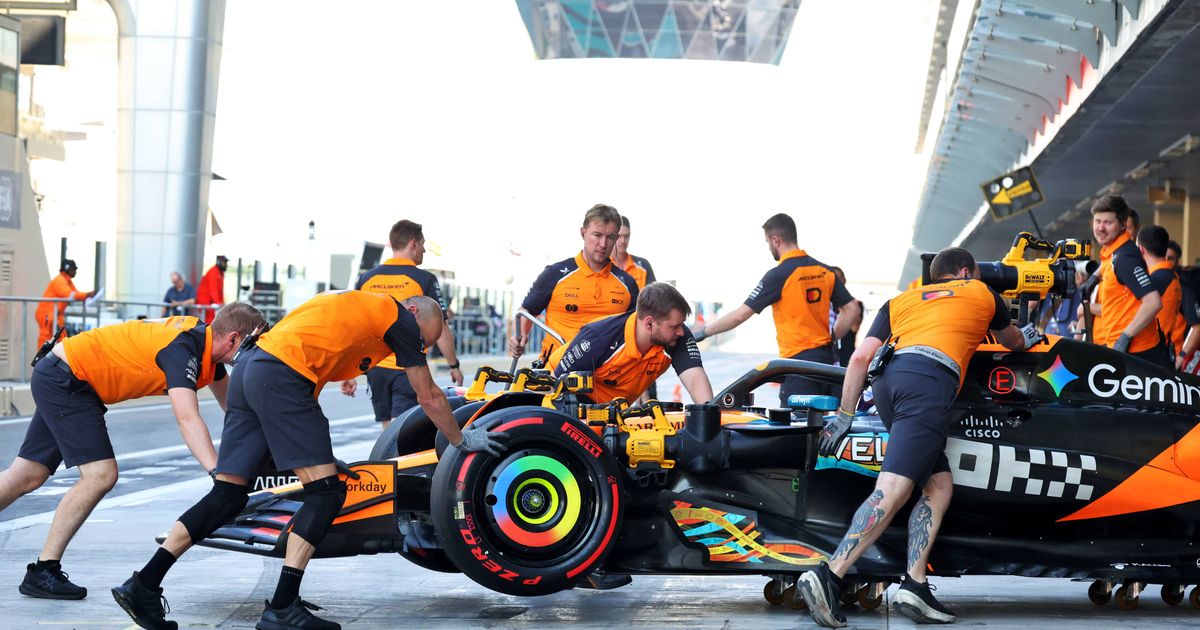
F1's 2026 Rules Risk Alienating Casual Fans with Artificial Racing
F1's new 2026 regulations focusing on a 50:50 power split risk making racing too complex and artificial for casual fans to understand.
F1's upcoming 2026 regulations, featuring a significant shift towards hybrid power with a 50:50 split between internal combustion and battery energy, risk creating a racing product that is too complex and artificial for the casual audience the sport aims to capture. While teams like McLaren are optimistic about the technical challenges, there is a genuine concern that the racing on track will become indecipherable to the average viewer.
Why it matters:
Formula 1 is currently enjoying a boom in popularity, but the 2026 rule changes threaten to undermine this growth. If the racing becomes a strategic puzzle that only engineers can solve, the sport risks alienating the very fans it has worked hard to attract. The balance between technological innovation and accessible entertainment is precarious, and getting it wrong could turn the sport into a niche spectacle rather than a global phenomenon.
The details:
- Power Split: The new regulations mandate a near-equal split between the engine and battery power, making energy management the single most critical factor in performance.
- Deployment Modes: Drivers will have to utilize specific "straight modes" and "corner modes," tailoring energy usage to specific parts of the track to maximize performance.
- The "Yo-Yo" Effect: A major fear is that racing will become artificial, with drivers overtaking using battery boosts only to be immediately re-passed while they regenerate energy through corners.
- Complexity: The terminology and regulatory process are already designed by engineers for engineers, creating a high barrier to entry for new fans trying to understand the nuances of the race.
Between the lines:
The core issue lies in who writes the rules. Currently, the regulations are crafted by engineers with a focus on technical complexity rather than sporting spectacle. This creates a situation where the product on track serves the rulebook rather than the audience, potentially turning races into processions of energy management rather than raw competition.
What's next:
As the 2026 season approaches, the sport must find a way to simplify the narrative for viewers. If F1 cannot bridge the gap between engineering complexity and understandable racing, it risks becoming a niche spectacle appreciated only by the hardcore technical aficionados, leaving the broader casual audience behind.
Don't miss the next lap
Get the deep dives and technical analysis from the world of F1 delivered to your inbox twice a week.
Zero spam. Only high-octane analysis. Unsubscribe anytime.
Join the inner circle
Get the deep dives and technical analysis from the world of F1 delivered to your inbox twice a week.
Zero spam. Only high-octane analysis. Unsubscribe anytime.
Continue Reading
View More News