F1's 2026 Rules Spark Driver Revolt Over 'Mario Kart' Racing
F1 drivers, led by Max Verstappen, are in open rebellion against the 2026 regulations, arguing that complex battery management has turned racing into a software-driven energy conservation exercise. The FIA is now considering mid-season fixes to rebalance power units and return control to the drivers.
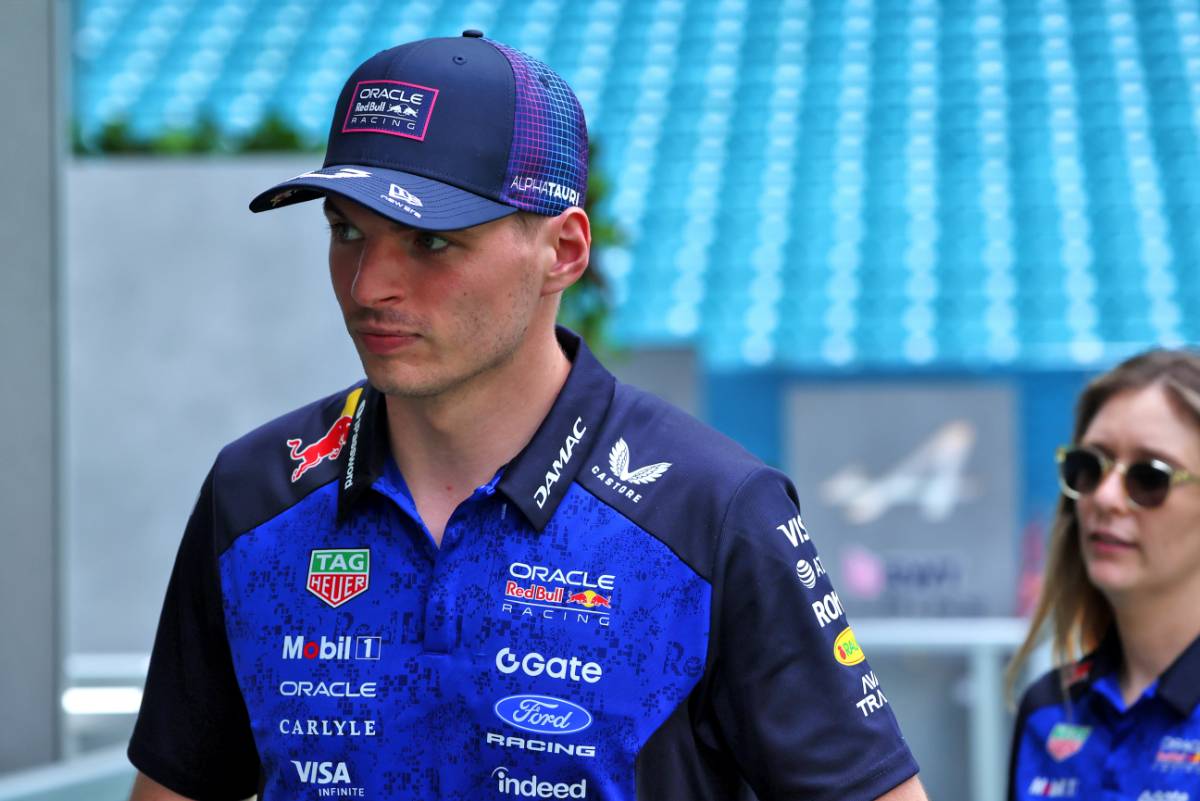
A growing driver revolt is targeting Formula 1's 2026 technical regulations, with complaints that excessive battery management is replacing pure racing skill. Led by Max Verstappen, who has compared the current state to "Formula E on steroids" and "Mario Kart," drivers argue the new 50/50 hybrid power units have made them passive executors of pre-set energy scripts, diminishing their role and confusing fans.
Why it matters:
The core identity of Formula 1 as the pinnacle of driver-versus-driver competition is at stake. If the sport's top talents feel their skill is being marginalized by software-managed energy harvesting, it undermines the fundamental appeal of F1. Furthermore, a spectacle that becomes unintelligible to viewers—where it's unclear if a pass is due to skill or a temporary power boost—risks alienating its fanbase.
The details:
- The 2026 power units derive roughly half their total output from the battery, forcing drivers to constantly manage energy harvesting and deployment throughout a lap.
- This shifts priority from raw driving talent to executing energy management strategies, often dictated by team software, which dictates cornering speeds and braking points.
- Challenging sections of track are neutered as drivers must save energy, leading to unnatural actions like cars suddenly losing speed on straights or coasting early into corners.
- For spectators, the on-screen product is confusing. It's often impossible to distinguish a skillful overtake from a simple deployment of a battery boost, making the race narrative hard to follow.
What's next:
The FIA has acknowledged the issue and is evaluating data from the first races, with in-season changes a possibility. Several technical adjustments are being debated:
- Increasing Super-Clipping: Raising the maximum energy recovery rate from 250 kW to 350 kW could allow for more natural harvesting under braking, reducing the need for artificial coasting elsewhere.
- Reducing Electric Power: Cutting the maximum electrical output from 350 kW could extend battery life, though teams might simply deploy it longer, not solving the core management issue.
- Lowering the Recovery Limit: Reducing the total recoverable energy per lap would force more traditional braking but would lower overall car performance, requiring a compensating boost from the internal combustion engine (ICE).
- Strengthening the ICE: Increasing the power of the combustion engine, potentially through fuel flow or turbo pressure adjustments, could rebalance the 50/50 power split, reducing reliance on complex battery cycles.
A more radical proposal, as suggested in the report, would be to ban artificial energy recovery methods like lift-and-coast entirely, allowing recovery only through the rear brakes. This would pair with a stronger ICE and a simplified, constant electric boost—supplemented by a driver-activated overtake button, similar to the old KERS system—to return strategic agency and clarity to the driver and the broadcast.
Don't miss the next lap
Get the deep dives and technical analysis from the world of F1 delivered to your inbox twice a week.
Zero spam. Only high-octane analysis. Unsubscribe anytime.
Join the inner circle
Get the deep dives and technical analysis from the world of F1 delivered to your inbox twice a week.
Zero spam. Only high-octane analysis. Unsubscribe anytime.
Continue Reading
View More News