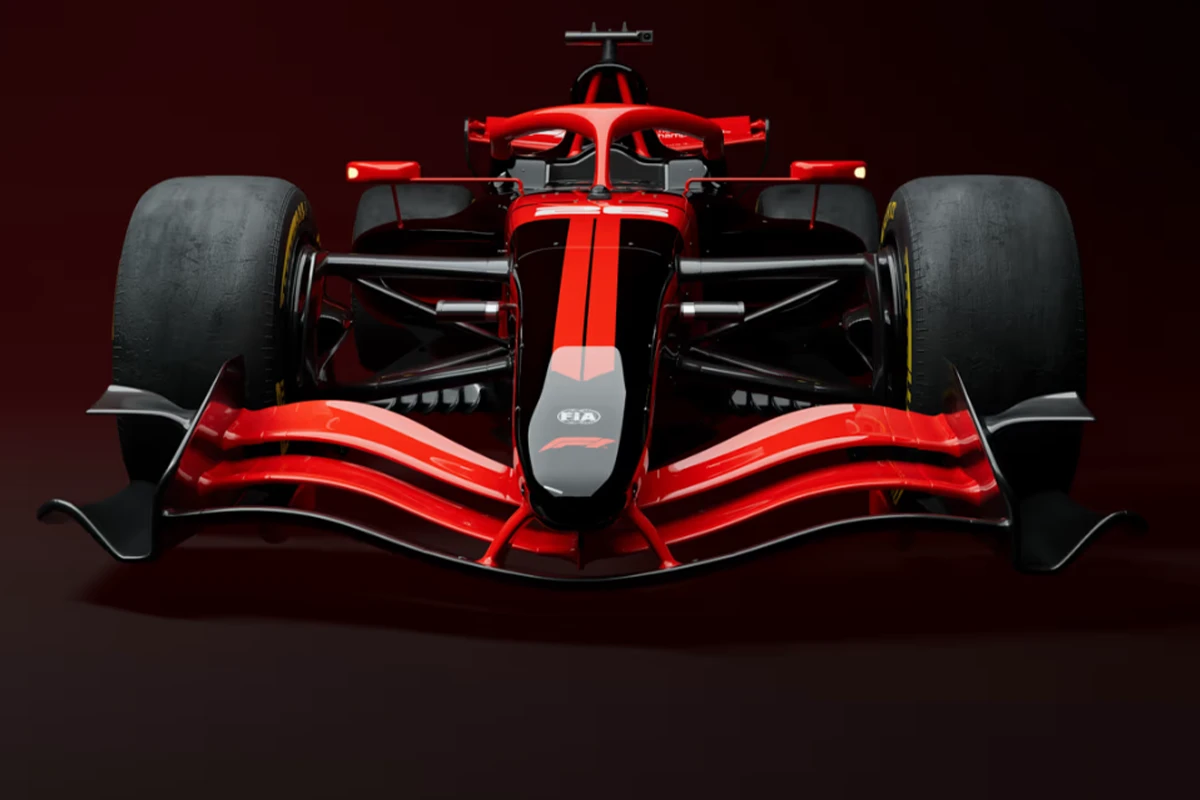
F1's 2026 Technical Revolution: Lighter Cars, Active Aero, and a Power Unit Overhaul
Formula 1's 2026 technical regulations introduce a comprehensive overhaul designed to improve racing. Cars will be lighter and smaller with active aerodynamics replacing DRS, while a new power unit emphasizes electric power and strategic energy management, featuring new Overtake and Boost modes to promote closer competition.
Formula 1 is preparing for its most significant technical reset in a generation, with a sweeping new set of regulations set for 2026. The changes promise lighter, nimbler cars, the introduction of active aerodynamics to replace DRS, and a radically different power unit where electric power takes center stage. The overarching goal is to create cars that can race closer together, promoting more overtaking and wheel-to-wheel action.
Why it matters:
This regulatory shift represents a fundamental rethinking of F1's technical philosophy, directly targeting the sport's core challenge of improving the racing spectacle. By reducing aerodynamic sensitivity and placing a greater strategic emphasis on energy management, the 2026 rules aim to shift the competitive balance from pure car performance to a more dynamic mix of engineering, strategy, and driver skill. The changes are also crucial for attracting new manufacturers like Audi and sustaining the sport's relevance with a significantly increased focus on sustainable fuel and electric power.
The Details:
- The Car: The 2026 chassis will be notably smaller and lighter. The minimum weight drops by roughly 30 kg to about 770 kg, with a 20 cm shorter wheelbase (3.4m) and a 10 cm reduction in overall width (1.9m). Combined with narrower tires, this package aims to cut downforce by up to 30% and drag by around 40%, making the cars less sensitive in turbulent air and theoretically more agile to drive.
- Active Aero: The Drag Reduction System (DRS) is eliminated. In its place, an active aerodynamic system with movable elements on both the front and rear wings will allow drivers to switch between two modes: a high-downforce "Corner Mode" and a low-drag "Straight Mode." Crucially, drivers can activate the low-drag mode in designated zones regardless of their proximity to a car ahead.
- The Power Unit: The internal combustion engine (ICE) retains its V6 turbo-hybrid layout but will run on 100% sustainable fuel. The major change is the removal of the complex MGU-H (Motor Generator Unit – Heat). The electrical side sees a massive boost, with the MGU-K (Motor Generator Unit – Kinetic) output nearly tripling to 350 kW (476 hp). The ICE will contribute 400 kW (544 hp), meaning over 45% of the total power output will be electric.
- Energy Management: Strategy will revolve around a tightly controlled energy budget. The usable battery energy window is capped at 4 Megajoules (MJ). Drivers can typically harvest up to 8.5 MJ of energy per lap through regenerative braking (recovery under braking, lifting, and coasting), which can provide roughly 24 seconds of full electric power. Mastering when to harvest and deploy this energy will be a critical race skill.
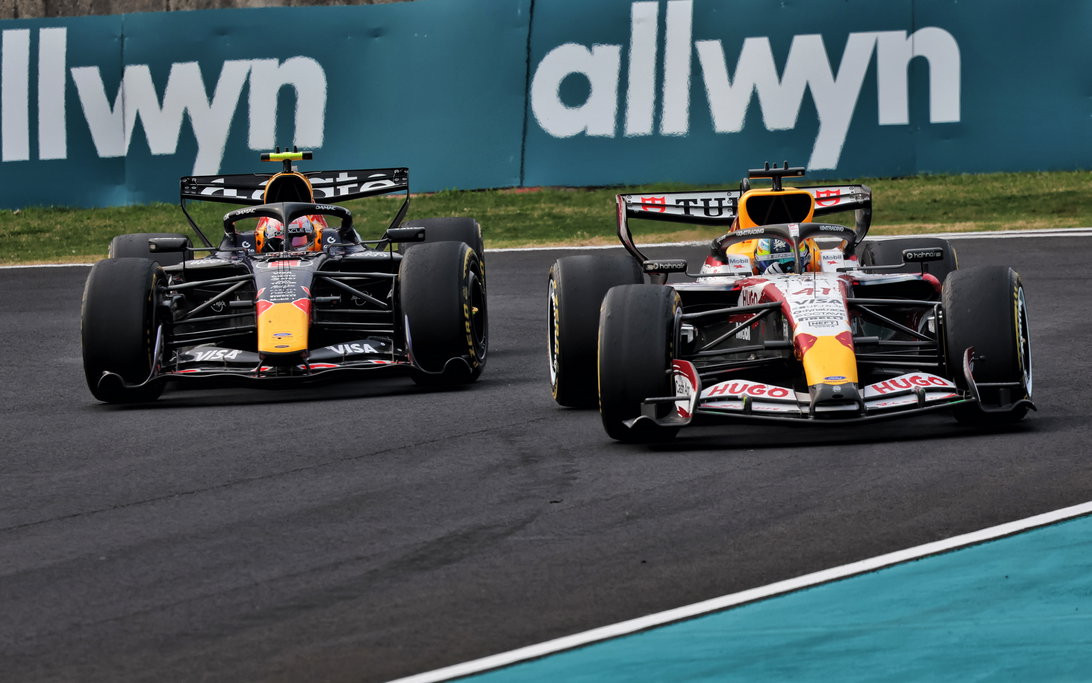
- Overtake and Boost Modes: To facilitate passing, an "Overtake Mode" can be activated when a driver is within one second of the car ahead at a detection point. This mode grants a higher speed threshold for full electric power (up to ~327 km/h vs. 290 km/h normally) and allows an extra 0.5 MJ of energy harvest and deployment per lap. A separate "Boost" button can be configured by teams for tactical deployment of the MGU-K's power for attack or defense.
The Big Picture:
The 2026 regulations mark a deliberate move away from the ground-effect era, with a flatter underfloor and stricter rules on parts that create "dirty air." The intent is to reduce the performance penalty for following another car. Furthermore, the shift towards a more powerful, simpler hybrid unit without the MGU-H lowers the barrier to entry for new manufacturers like Audi, aligning the sport with broader automotive trends in electrification. Success will be measured not just by single-lap pace, but by a team's ability to optimize a complex interplay of aerodynamics, energy deployment, and race strategy over a full Grand Prix distance.
Don't miss the next lap
Get the deep dives and technical analysis from the world of F1 delivered to your inbox twice a week.
Zero spam. Only high-octane analysis. Unsubscribe anytime.
Join the inner circle
Get the deep dives and technical analysis from the world of F1 delivered to your inbox twice a week.
Zero spam. Only high-octane analysis. Unsubscribe anytime.
Continue Reading
View More News