F1's Bahrain Wet Tyre Test Cancelled Over Security Concerns
Pirelli's vital wet-weather tyre test in Bahrain was cancelled due to missile strikes and security threats in the region, disrupting travel for F1 personnel heading to Melbourne. The sport insists the upcoming races in Australia, China, and Japan are unaffected, but the incident highlights the persistent security challenges of the calendar.
A crucial Pirelli wet-weather tyre test in Bahrain was abruptly cancelled due to regional security threats, forcing Formula 1 personnel into complex reroutes just days before the season-opening Australian Grand Prix. The cancellation followed missile strikes in the area, including one near a U.S. naval facility, prompting immediate safety measures. The disruption highlights the ongoing logistical and security challenges F1 faces when operating in volatile regions.
Why it matters:
The incident underscores the delicate balance F1 must strike between its ambitious global calendar and real-world geopolitical risks. Cancelling a key technical session impacts tyre development for the entire grid, while the subsequent travel chaos for thousands of staff tests the sport's crisis management and contingency planning. It also casts a shadow over future Middle Eastern events, reminding stakeholders that security is a non-negotiable priority that can override even the most meticulously planned schedules.
The details:
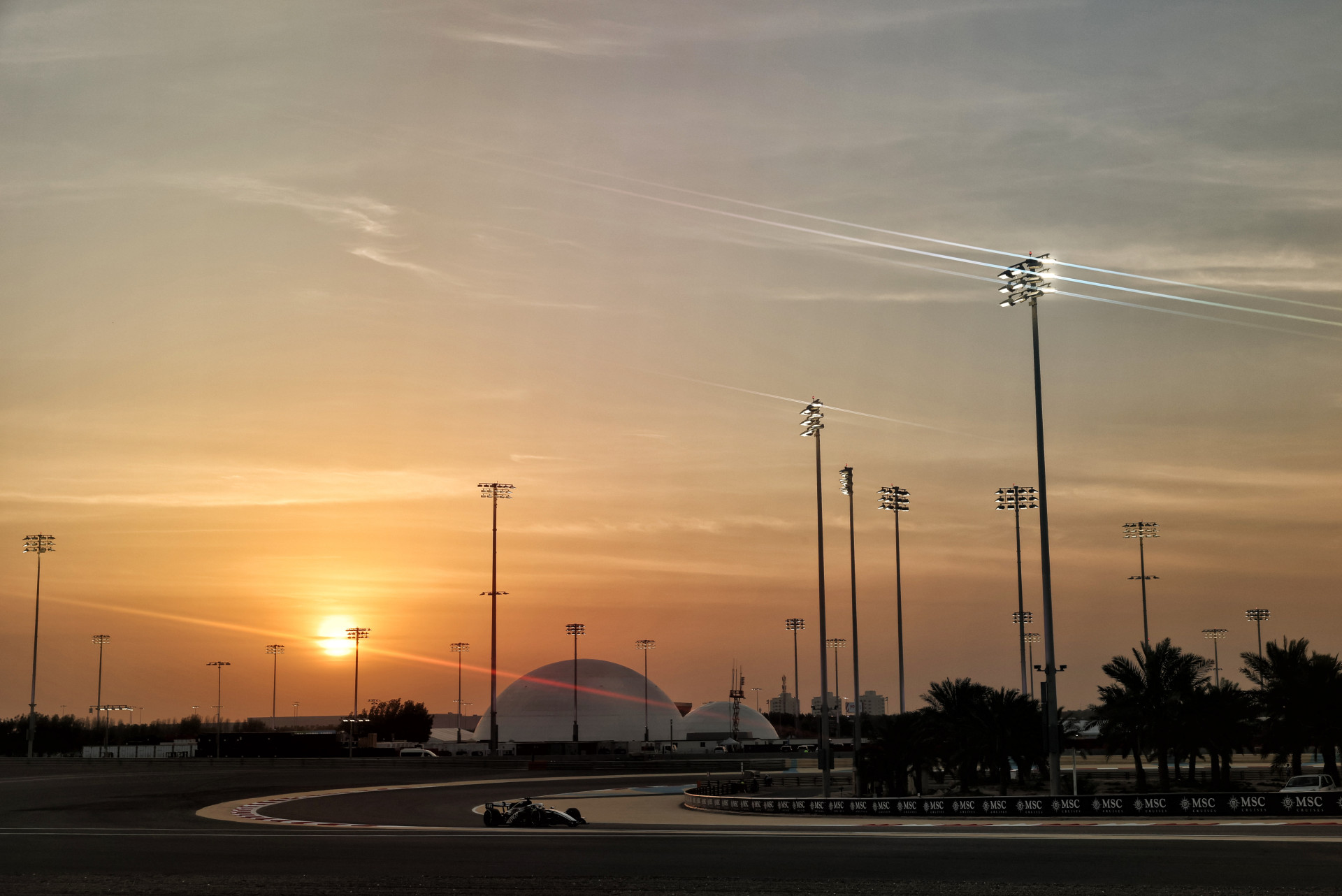
- The two-day test at the Bahrain International Circuit, scheduled for February 28-March 1, was designed to gather data on wet-weather compounds using Mercedes and McLaren 'mule cars' on an artificially soaked track.
- It was called off after Iranian forces launched retaliatory strikes, with one missile reported to have hit near the service centre of the U.S. Navy’s Fifth Fleet in Bahrain.
- Pirelli confirmed all its personnel in Manama were safe in their hotels and that the company was working to arrange their return home.
- The cancellation triggered major travel complications for approximately 2,000 F1 personnel heading to Melbourne, as airspace closures and hub shutdowns in Doha and Dubai forced reroutes through Asian cities like Hong Kong and Singapore, or via Perth in Western Australia.
- Formula 1 has stated the upcoming races in Australia, China, and Japan are not under immediate threat, as they are outside the current conflict zone.
What's next:
All focus now shifts to ensuring the Australian Grand Prix proceeds smoothly, though the travel disruptions may lead to last-minute arrivals and logistical strain. The longer-term question revolves around the next Middle Eastern rounds in Bahrain (April 12) and Saudi Arabia (April 19). While both remain on the calendar, F1 has confirmed it has contingency plans ready should the security situation deteriorate. The sport has precedent for managing such scares, having proceeded with races in Saudi Arabia in 2022 and Qatar in 2025 following similar incidents, but each new event tests its protocols and resilience.
Don't miss the next lap
Get the deep dives and technical analysis from the world of F1 delivered to your inbox twice a week.
Zero spam. Only high-octane analysis. Unsubscribe anytime.
Join the inner circle
Get the deep dives and technical analysis from the world of F1 delivered to your inbox twice a week.
Zero spam. Only high-octane analysis. Unsubscribe anytime.
Continue Reading
View More News