F1's Closed-Door 2026 Shakedown Test Is a Strategic Misstep
Formula 1's decision to hold the first 2026 pre-season test behind closed doors limits transparency and fan access, prioritizing image control over the open engagement that has driven the sport's recent growth.
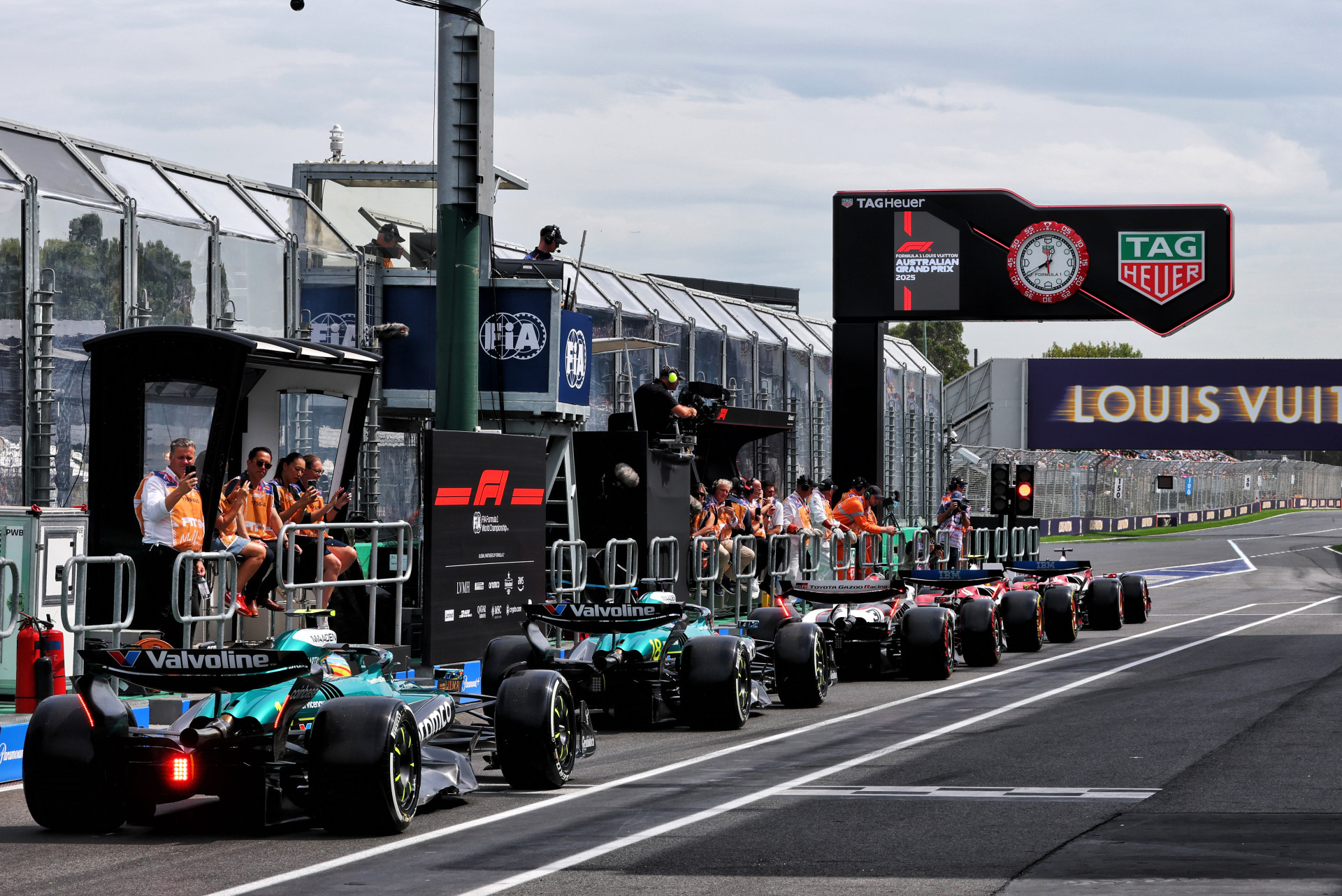
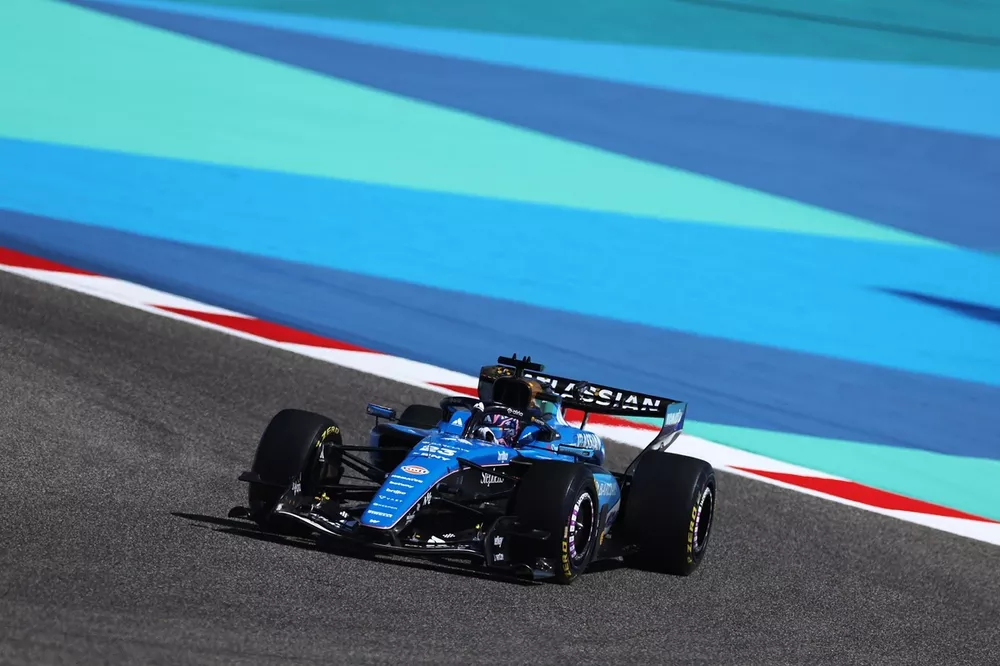
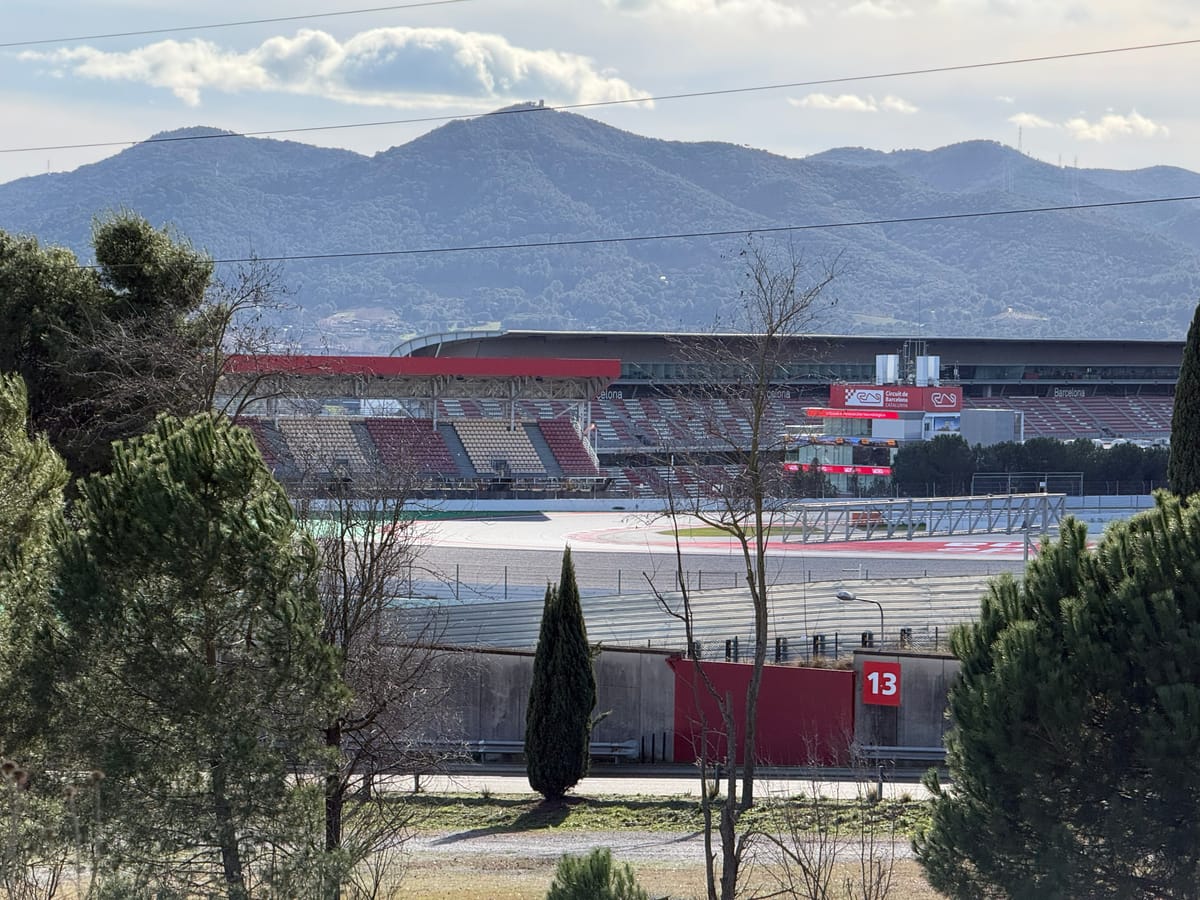
Formula 1’s first 2026 pre-season test, dubbed ‘Shakedown Week’, begins in Spain on Monday behind closed doors. There will be no public timing, no media access, and teams are limited to just six daily images. While F1 controls the content flow, this shift towards secrecy contradicts the open access that recently fueled the sport's popularity.
Why it matters:
F1’s recent success relied on breaking down barriers, yet this restriction does the opposite. By curating the narrative to hide potential reliability issues with the new regulations, the sport risks short-changing fans. This move prioritizes image control over the raw, unfiltered engagement that builds long-term trust.
The details:
- Total Control: Media are banned, and teams are restricted to six photos daily. F1 acts as the sole content creator, releasing only curated highlights.
- Risk Mitigation: The closed doors allow teams to conceal early reliability problems with the new power units without immediate public backlash.
- Commercial Strategy: This approach likely protects the value of the official Bahrain test, ensuring the high-paying host receives a polished show and preventing early negative judgments on the 2026 cars.
- Information Vacuum: The lack of independent data prevents accurate performance benchmarking and analysis before the season starts.
The big picture:
Avoiding a PR nightmare like the 2014 Jerez test is logical, but sanitizing the sport is counterproductive. Modern audiences value authenticity, and hiding flaws often fuels damaging speculation. By restricting access, F1 creates a vacuum that invites extreme theories, potentially causing more harm than the reality of standard teething troubles.
Don't miss the next lap
Get the deep dives and technical analysis from the world of F1 delivered to your inbox twice a week.
Zero spam. Only high-octane analysis. Unsubscribe anytime.
Join the inner circle
Get the deep dives and technical analysis from the world of F1 delivered to your inbox twice a week.
Zero spam. Only high-octane analysis. Unsubscribe anytime.
Continue Reading
View More News