F1's 'fear' over 2026 race starts alleviated after successful test
Initial safety fears over F1's complex 2026 race start procedure have been eased after a successful multi-car test in Bahrain. McLaren's Mark Temple reported the trial starts looked "pretty normal," alleviating concerns that manual turbo management could lead to dangerous stalls and pile-ups when the new power unit regulations debut.
Fears that Formula 1's new 2026 race start procedure could cause dangerous grid pile-ups have been significantly reduced after a successful multi-car test in Bahrain. McLaren's Mark Temple described the trial as "pretty sensible" and normal, indicating the initial safety concerns voiced by teams have been addressed ahead of the new regulations.
Why it matters:
The start is the most critical and dangerous moment of any Grand Prix. With the 2026 power units removing the MGU-H, drivers must manually manage turbo spooling—a complex task that raised legitimate fears of cars stalling and causing chain-reaction crashes, especially for those at the back of the grid. A safe and reliable start procedure is fundamental to the sport's integrity and driver safety.
The details:
- The core issue stemmed from the 2026 power unit change, which requires drivers to manually spool the turbo to combat lag, while carefully avoiding over-revving the engine.
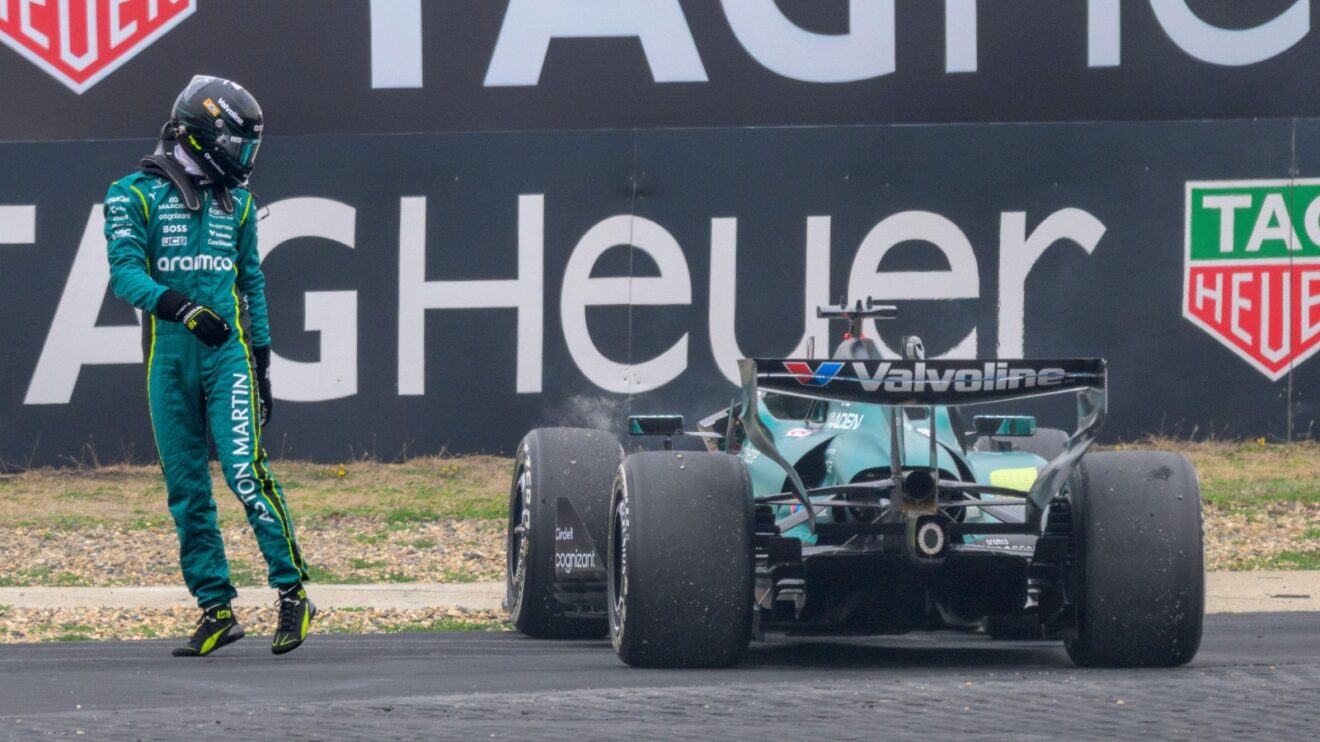
- During initial testing, several drivers triggered anti-stall systems, sparking concerns that similar incidents during a race start could lead to unsighted drivers at the rear colliding with stalled cars ahead.
- Drivers like Valtteri Bottas highlighted that the old start process might not give those at the back enough time to complete the necessary pre-light procedure.
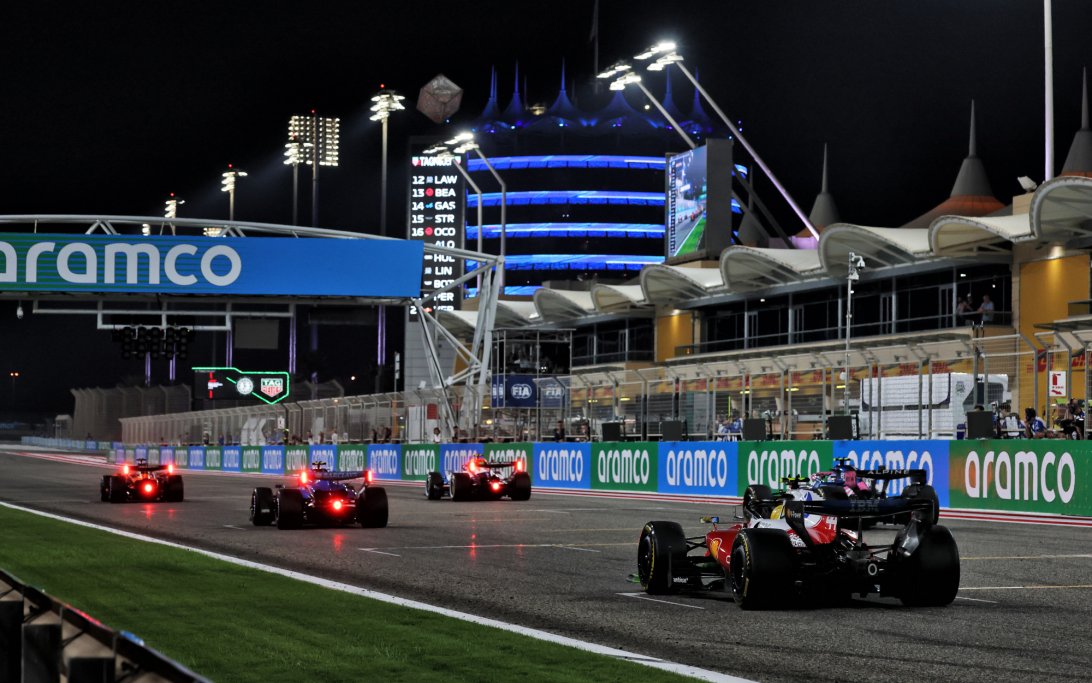
- The recent test involved multiple cars simulating race starts together. While drivers got up to speed at varying rates, no car was left stranded on the grid, a key positive outcome.
- Mark Temple noted the session helped "allay some of those fears," confirming that when procedures are followed, the starts appear normal. He acknowledged minor issues like excessive weaving but viewed them as part of the learning process.
What's next:
The procedure is not yet set in stone. Temple expects further fine-tuning based on feedback from F1, the drivers, and the teams. The successful test, however, provides strong confidence that the 2026 start will be "perfectly reasonable,\
Don't miss the next lap
Get the deep dives and technical analysis from the world of F1 delivered to your inbox twice a week.
Zero spam. Only high-octane analysis. Unsubscribe anytime.
Join the inner circle
Get the deep dives and technical analysis from the world of F1 delivered to your inbox twice a week.
Zero spam. Only high-octane analysis. Unsubscribe anytime.
Continue Reading
View More News