F1 scraps mandatory two-stop rule for Monaco GP after one season
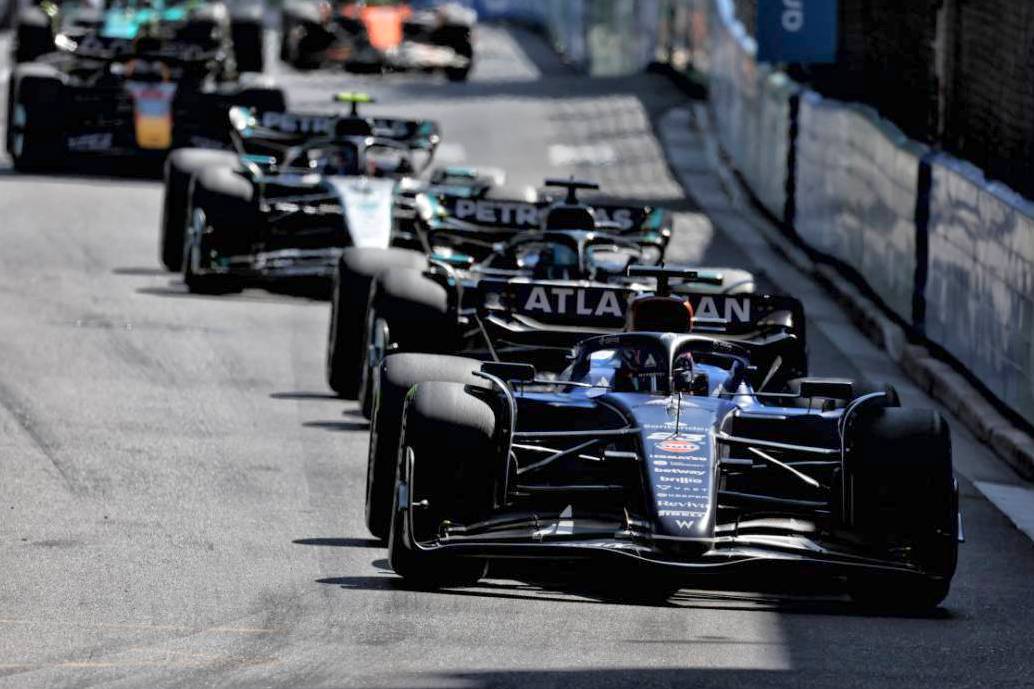
F1 has abandoned the mandatory two-stop tire rule for the Monaco GP after just one season. The 2025 experiment, intended to spice up the race, backfired by encouraging teams to use contrived tactics and artificial strategies, leading to widespread criticism and a swift regulatory U-turn.
Formula 1 and the FIA have reversed course, eliminating the mandatory two-stop tire rule for the Monaco Grand Prix after a single season of strategic chaos. The 2025 experiment, designed to create more pit stop drama on the famously processional circuit, instead led to artificial racing and team tactics that undermined genuine competition.
Why it matters:
Monaco's unique challenge is its near-impossibility of overtaking, making track position paramount. The rule change exposed how teams will exploit any regulation to gain an advantage, even if it means creating artificial racing scenarios. This swift reversal is a rare admission from the sport's governing bodies that a well-intentioned rule failed in practice, highlighting the difficulty of engineering excitement on a track where passing is largely a product of pit strategy or mistakes.
The details:
- The 2025 rule required every driver to use three different tire compounds during the race, enforcing a second pit stop.
- Instead of creating jeopardy, it amplified a trend of teams using one car as a strategic tool to aid the other.
- Racing Bulls used Liam Lawson as a rolling roadblock to help secure a top-six finish for Isack Hadjar.
- Williams orchestrated position swaps and deliberately backed up the field to create a favorable pit window for Alex Albon and Carlos Sainz.
- The spectacle reached a low point when George Russell cut the chicane in frustration, earning a penalty but underscoring the race's artificial stalemate.
- Fan and driver backlash was immediate, criticizing the contrived nature of the racing it produced.
What's next:
The standard tire rules used at every other Grand Prix will now apply in Monaco. While this returns strategic normality, it does not solve the core issue of Monaco's processional reputation. The failed experiment proves that overtaking cannot be legislated onto a circuit where geography is the ultimate defender. For now, Monaco remains a historic and glamorous test of qualifying precision and race management, but any fundamental improvement to the on-track spectacle will require more than a simple rule tweak.
Don't miss the next lap
Get the deep dives and technical analysis from the world of F1 delivered to your inbox twice a week.
Zero spam. Only high-octane analysis. Unsubscribe anytime.
Join the inner circle
Get the deep dives and technical analysis from the world of F1 delivered to your inbox twice a week.
Zero spam. Only high-octane analysis. Unsubscribe anytime.
Continue Reading
View More News