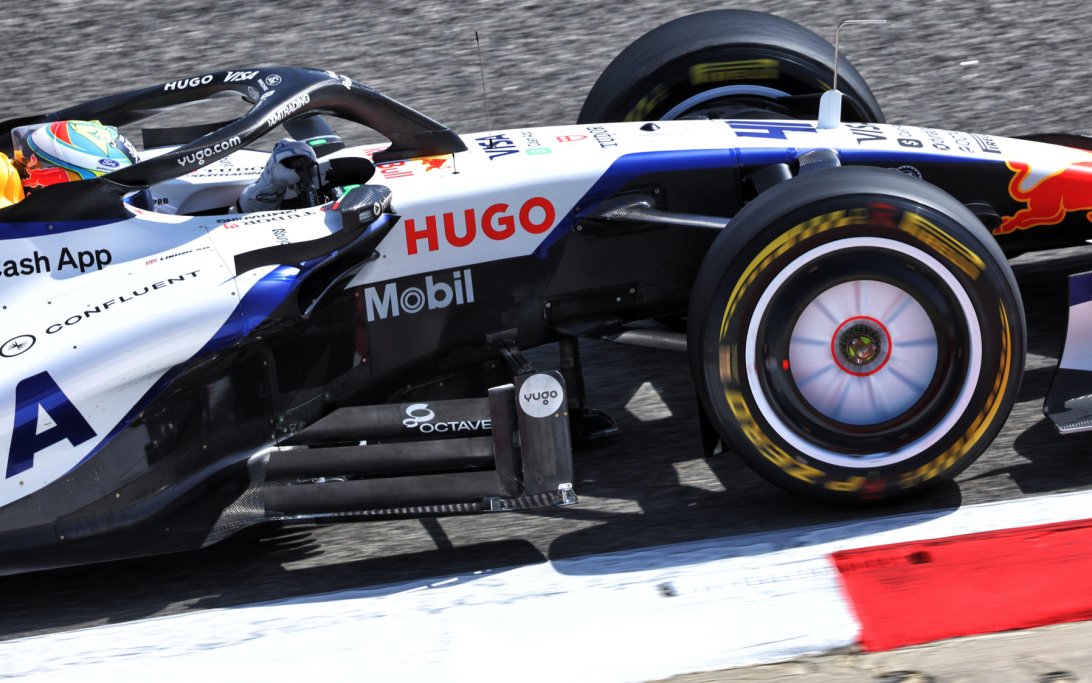
F1 Teams Regain Rim Design Freedom, Sparking New Technical Battleground
F1 teams can now design their own wheel rims again after years of standardization, creating a new technical battleground focused on tire temperature control and aerodynamics. Pirelli confirms historical tire pressure data is obsolete as teams work to manage heat transfer, with the designs also affecting airflow around the car.
Formula 1 teams have regained the freedom to design their own wheel rims for the 2026 season, ending a period of standardization and opening a new front in the technical development war. This shift back to bespoke designs is already impacting tire performance and aerodynamics, with teams exploring creative solutions to gain a competitive edge.
Why it matters:
The move away from standardized rims reintroduces a key variable that directly affects tire temperature and pressure management—critical factors for race performance and strategy. This area of development could become a significant performance differentiator, potentially influencing race outcomes and adding a new layer of technical intrigue to the championship battle.
The details:
- From 2022 through 2025, all teams used identical 18-inch rims supplied by BBS to promote aerodynamic efficiency and closer racing.
- Under the 2026 regulations, rims are now classified as Open Source Components (OSC), allowing teams to design their own. Most teams are having them manufactured externally based on proprietary designs.
- Pirelli's Motorsport Director, Mario Isola, confirmed the immediate impact, noting that historical data on tire pressure deltas is "no longer valid." Teams are now working with a much smaller pressure increase from start to running condition.
- The primary technical goal is to control heat transfer into the tire to precisely manage air temperature inside it, which is crucial for optimal tire performance and wear.
- Isola revealed that past creative rim designs sometimes made it impossible to fit the tire, leading Pirelli and the FIA to issue design guidelines to ensure compatibility before the 2026 development cycle began.
The big picture:
This development extends beyond tire management. The hot air deflected from the newly designed rims interacts with airflow from the car's bodywork and floor edges, creating additional aerodynamic effects teams can exploit. This is particularly relevant with the return of a more pronounced rake angle in car setup, reminiscent of the pre-ground-effect era. While engine development remains a headline topic, the rim design arena is poised to become a quiet but intense battleground where marginal gains are pursued.
What's next:
As teams continue to experiment through the final pre-season test, expect further optimization and potentially extreme solutions as engineers push the boundaries of the new guidelines. The effectiveness of each team's rim design will be a hidden factor scrutinized at every race, influencing tire strategy and overall car balance. This technical freedom could well become the next subtle but decisive point of contention in F1's relentless development race.