F1 Teams Reveal Key Insights into 2026 Car Concepts and Regulations
F1 teams are shedding light on the 2026 regulations, highlighting a return to higher rake, the impact of active aero setups, and new energy management challenges for drivers.
F1 teams are revealing key aspects of the 2026 regulations, signaling a return to higher rake and complex active aerodynamics. As testing nears, engineers are navigating a wider aerodynamic window while drivers prepare for energy management challenges that could alter driving styles.
Why it matters:
The 2026 overhaul represents a major technical pivot. Mastering the balance between active aero and energy harvesting will be the primary differentiator, potentially reshaping competitive hierarchies based on who optimizes these new compromises first.
The details:
- Rake Return: Teams are shifting to higher ride heights and rake to optimize downforce. This creates a wider operational window, making cars less sensitive to setup changes and more adaptable across circuits.
- Active Aero: The new Straight Line Mode (SLM) forces a critical trade-off between corner downforce and drag reduction. Teams will need track-specific setups to maximize rear wing efficiency in both modes.
- Energy Constraints: Drivers face strict energy harvest limits. The need to maximize recovery during braking may force specific downshift strategies, potentially limiting traditional driving freedom and expression.
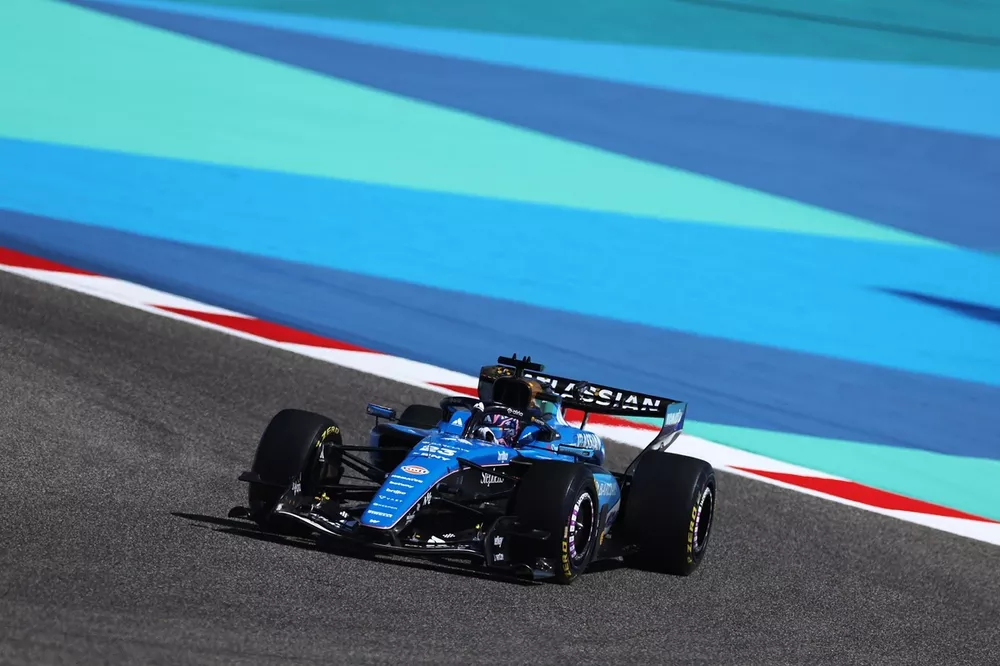
- Suspension: Pushrod remains the dominant choice for aerodynamic benefits with new front wings, though Alpine and Cadillac are bucking the trend with pullrod layouts.
What's next:
The true impact of these regulations will be validated on track. Teams will use the Barcelona tests to decipher optimal rake angles and energy strategies, with early races exposing the true pecking order of this new era.
Don't miss the next lap
Get the deep dives and technical analysis from the world of F1 delivered to your inbox twice a week.
Zero spam. Only high-octane analysis. Unsubscribe anytime.
Join the inner circle
Get the deep dives and technical analysis from the world of F1 delivered to your inbox twice a week.
Zero spam. Only high-octane analysis. Unsubscribe anytime.
Continue Reading
View More News