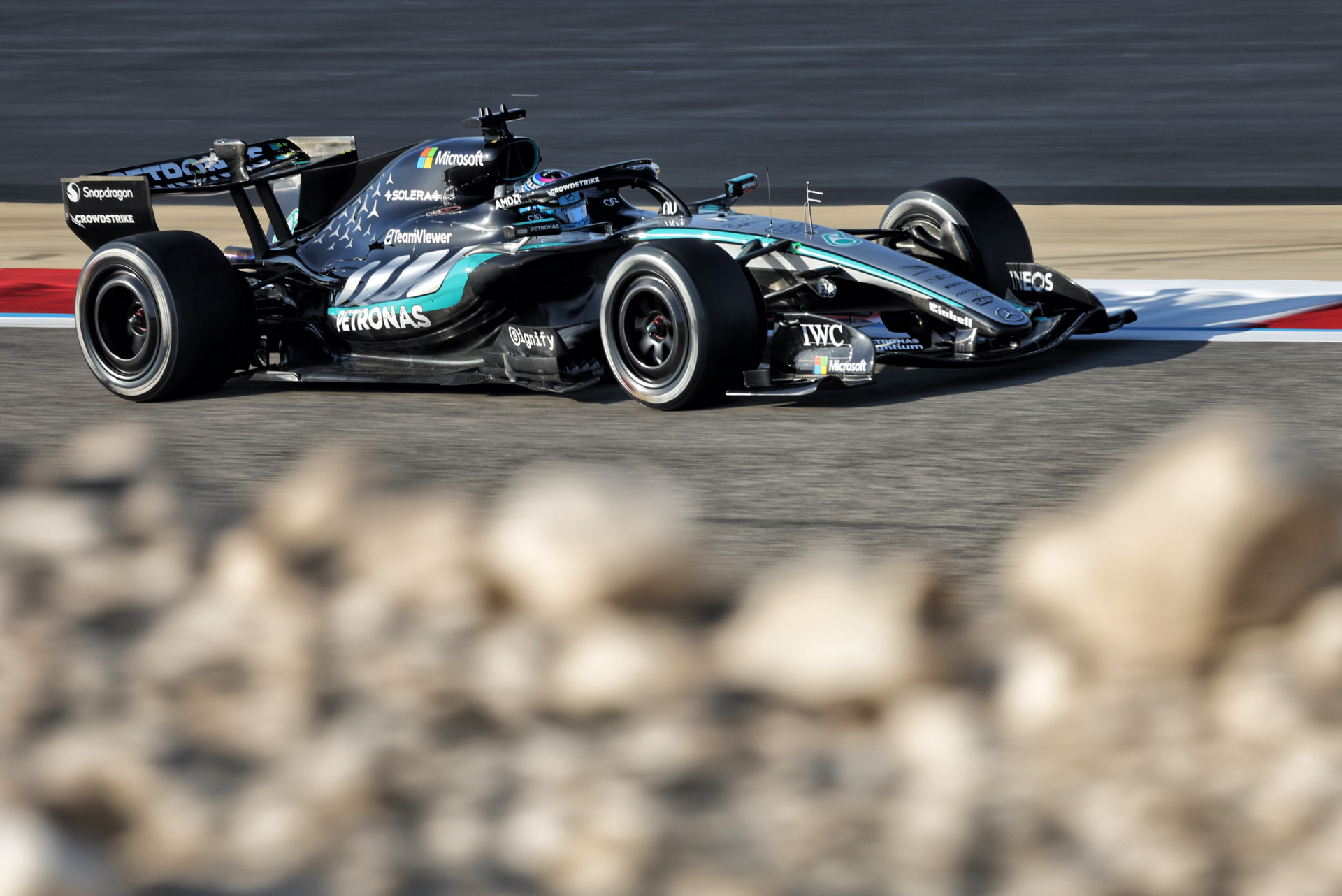
F1 teams to vote on closing Mercedes engine loophole
F1's governing body has tabled a vote to amend engine rules mid-2026, targeting a suspected Mercedes loophole on compression ratios. The change would require compliance at operating temperature, not just ambient conditions. The result could reshape the competitive balance for the second half of the season.
The FIA has called for a formal vote among Formula 1's power unit manufacturers to decide on a mid-season rule change aimed at closing a technical loophole reportedly exploited by Mercedes. The proposed change would require engines to comply with the 2026 compression ratio limit not just in ambient conditions, but also at operating temperature, directly addressing a suspected advantage for the German manufacturer.
Why it matters:
This vote strikes at the core of F1's technical governance and competitive fairness. If Mercedes has indeed found a way to legally run a higher effective compression ratio than rivals, it could secure a significant and sustained power advantage for the second half of the 2026 season. Closing the loophole mid-season would level the playing field but also set a precedent for reactive regulation changes, while rejecting it could entrench a performance disparity under controversial circumstances.
The details:
- The controversy centers on the 2026 power unit regulation that lowered the maximum compression ratio from 18:1 to 16:1, measured at ambient temperature.
- Mercedes is believed to have developed a design that meets the 16:1 limit in ambient conditions but operates closer to 18:1 when the engine is at its normal running temperature, exploiting a gap in the regulatory wording.
- The FIA, in collaboration with manufacturers, has developed a new methodology to measure compliance at a "representative operating temperature of 130°C."
- The proposed amendment would take effect from August 1, 2026, making the dual-condition check mandatory for the remainder of the season.
- For the vote to pass, it requires support from at least four of the five power unit manufacturers (Mercedes, Ferrari, Honda, Audi, Red Bull Ford), plus the FIA and Formula One Management (FOM).
What's next:
The outcome of the vote, expected within ten days, will have immediate strategic ramifications. Ferrari, Audi, Honda, and Red Bull Ford are all anticipated to vote in favor of the change, which would give the FIA and FOM the decisive votes to push it through. If enacted, Mercedes would be forced to adapt its power unit design mid-season, potentially sacrificing performance for compliance. The situation underscores the intense, behind-the-scenes technical battles that define the modern F1 era and tests the sport's ability to maintain a fair regulatory framework in real-time.
Don't miss the next lap
Get the deep dives and technical analysis from the world of F1 delivered to your inbox twice a week.
Zero spam. Only high-octane analysis. Unsubscribe anytime.
Join the inner circle
Get the deep dives and technical analysis from the world of F1 delivered to your inbox twice a week.
Zero spam. Only high-octane analysis. Unsubscribe anytime.
Continue Reading
View More News