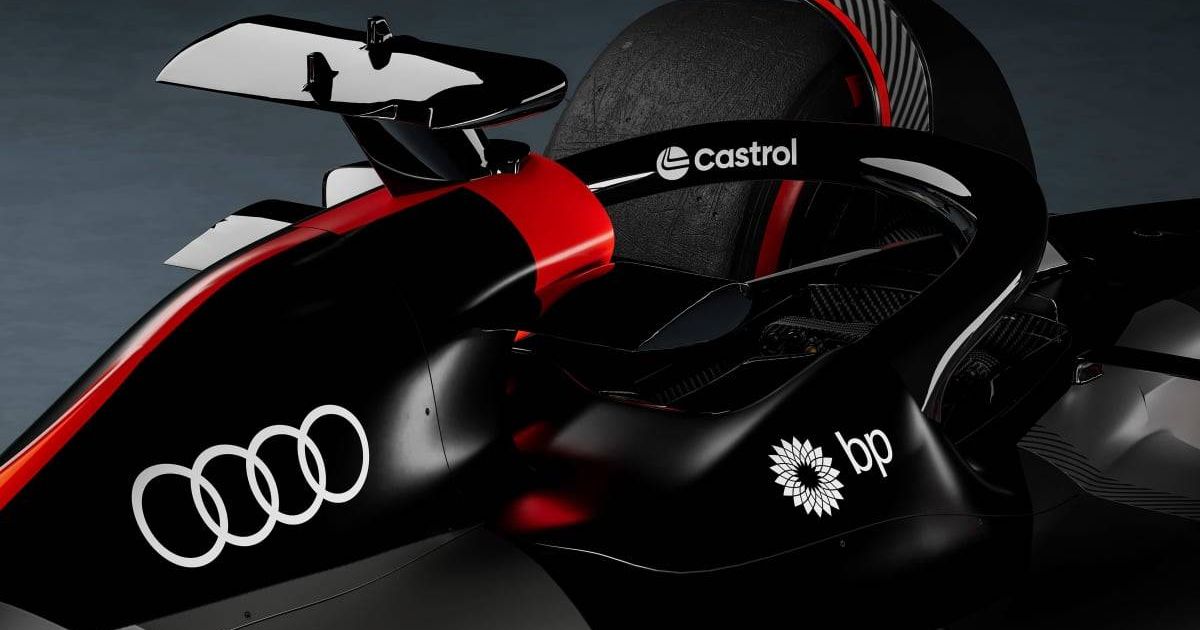
F1 Today: Audi Shifts Focus to 2027 Cars, Ferrari Warned on Hamilton's Impact
Audi has completed its 2026 F1 power unit development and is now focusing on 2027-2028 cars, signaling a long-term strategy. Simultaneously, former Ferrari mechanic Francesco Cigarini advises Ferrari to prioritize Lewis Hamilton's extensive feedback, believing his experience with top teams can significantly improve the car for both Hamilton and Charles Leclerc, potentially breaking Ferrari's cycle of underperformance and bolstering their competitive edge.
Audi has reportedly completed its 2026 power unit development and is now concentrating on its 2027 and 2028 Formula 1 cars, leveraging limited data from Sauber and the new regulations. Meanwhile, former Ferrari mechanic Francesco Cigarini has urged the Scuderia to heavily consider Lewis Hamilton's feedback, believing it could significantly benefit the team, including Charles Leclerc, by drawing on Hamilton's extensive experience with winning teams.
Why it matters:
Audi's early shift in focus indicates a long-term strategic play to optimize its entry into F1, suggesting confidence in its initial 2026 design and a commitment to future development. For Ferrari, integrating Hamilton's vast experience could be a game-changer, potentially resolving long-standing organizational and technical issues, and elevating both his and Leclerc's performance.
The Details:
- Audi's Forward Leap: CTO Stefan Dreyer confirmed the completion of the 2026 drivetrain development. The team has already transitioned its focus to the 2027 and 2028 F1 cars.
- This strategic move is based on data gathered from Sauber and the anticipated 2026 regulatory changes, allowing Audi to get ahead in long-term planning.
- Hamilton's Influence at Ferrari: Ex-Ferrari mechanic Francesco Cigarini stressed the importance of listening to Lewis Hamilton's input.
- Hamilton's insights, honed over years with winning teams like McLaren and Mercedes, offer a blueprint for successful organizational structures and technical approaches, which differ significantly from Ferrari's current methods.
- Benefiting Leclerc: Cigarini believes that Hamilton's need for a "more solid car" and his feedback will not only benefit his own performance but also that of Charles Leclerc, who, according to Cigarini, "always drives 'on egg shells'." Improving the car based on Hamilton's detailed feedback could provide a more stable and competitive platform for both drivers.
The Big Picture:
Audi's early transition to future car development signals a confident and calculated approach to its F1 entry, aiming to avoid the common pitfalls of new manufacturers. For Ferrari, Hamilton's arrival is not just about his driving talent but also about the potential for a cultural and technical overhaul. Harnessing his experience could be key to breaking their championship drought and establishing a more consistent winning structure. The potential synergy between Hamilton's experience and Ferrari's engineering could redefine their competitive edge.
What's next:
Audi's aggressive development timeline means we could see a highly competitive entry in the later stages of the 2026 regulations and beyond. For Ferrari, the coming seasons will be crucial in demonstrating whether they can effectively integrate Hamilton's feedback and leadership. Success in this area could propel them back to the front of the grid, benefiting from a more robust car design and a sharper organizational approach.