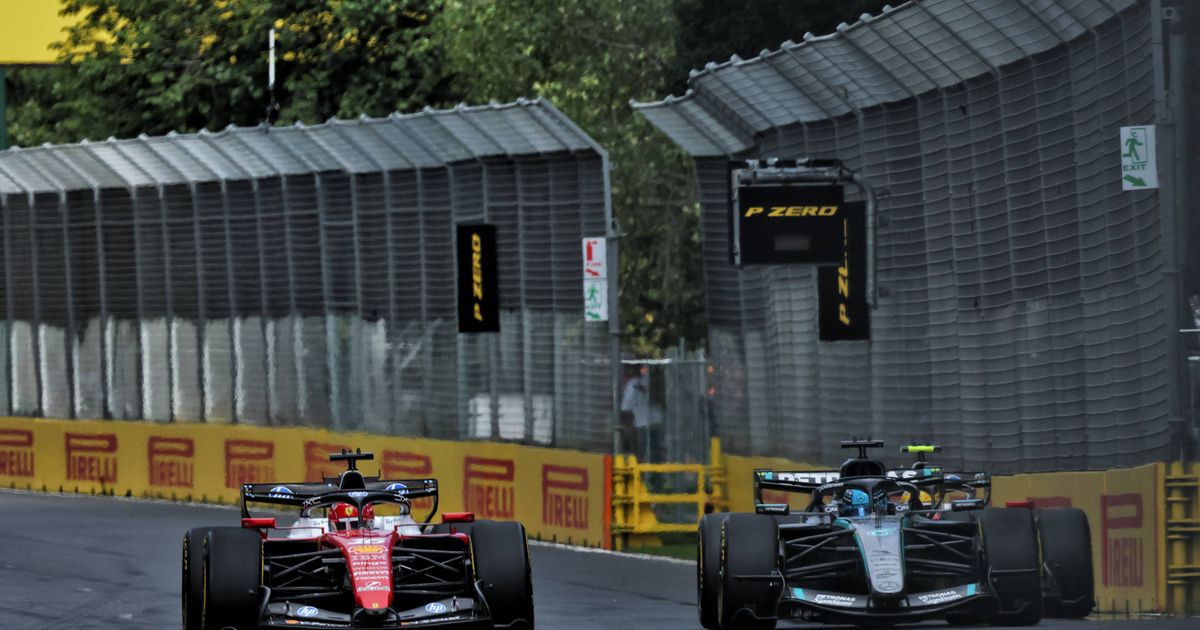
F1 Touts Overtaking Surge in Australian GP Amid Driver Criticism
F1 has highlighted a massive jump to 120 overtakes at the Australian GP, but drivers are pushing back, calling the action 'artificial' and dictated by energy management rules rather than pure racing skill, creating a major divide on the new era's success.
Formula 1 has pointed to a dramatic increase in overtaking during the 2026 Australian Grand Prix, with 120 recorded passes compared to just 45 last year. However, this statistical boost has been met with fierce criticism from drivers and observers who argue the new regulations are creating artificial racing dictated by energy management rather than genuine competition.
Why it matters:
The effectiveness of F1's new regulatory era is under immediate scrutiny, with the sport's leadership and its participants offering starkly different views on what constitutes good racing. While F1 sees the overtaking numbers as a win for the spectacle, drivers' backlash suggests a fundamental disconnect between the data and the on-track product's perceived quality, threatening the credibility of the new rules.
The details:
- The 2026 season opener at Albert Park saw overtaking nearly triple, from 45 maneuvers in 2025 to 120 this year.
- Driver and media discussions were dominated by technical terms like super clipping, energy management, and lift and coast, highlighting a race dictated by strategic conservation and deployment rather than pure pace.
- Many within the paddock have dismissed the increased action as artificial racing, arguing it lacks the wheel-to-wheel battling that defines Formula 1's essence.
- Opinions were sharply divided between qualifying and the race; Saturday's session was widely panned, but Sunday's event created a more split verdict on the new regulations' overall impact.
What's next:
The debate sets the stage for a tense evaluation period for the 2026 regulations. F1 will likely continue promoting the positive statistics, but sustained driver criticism could force a conversation about potential tweaks to ensure the racing is both statistically exciting and authentically competitive. The upcoming races will be critical in determining whether this is a teething problem for a new era or a fundamental flaw in the regulatory philosophy.