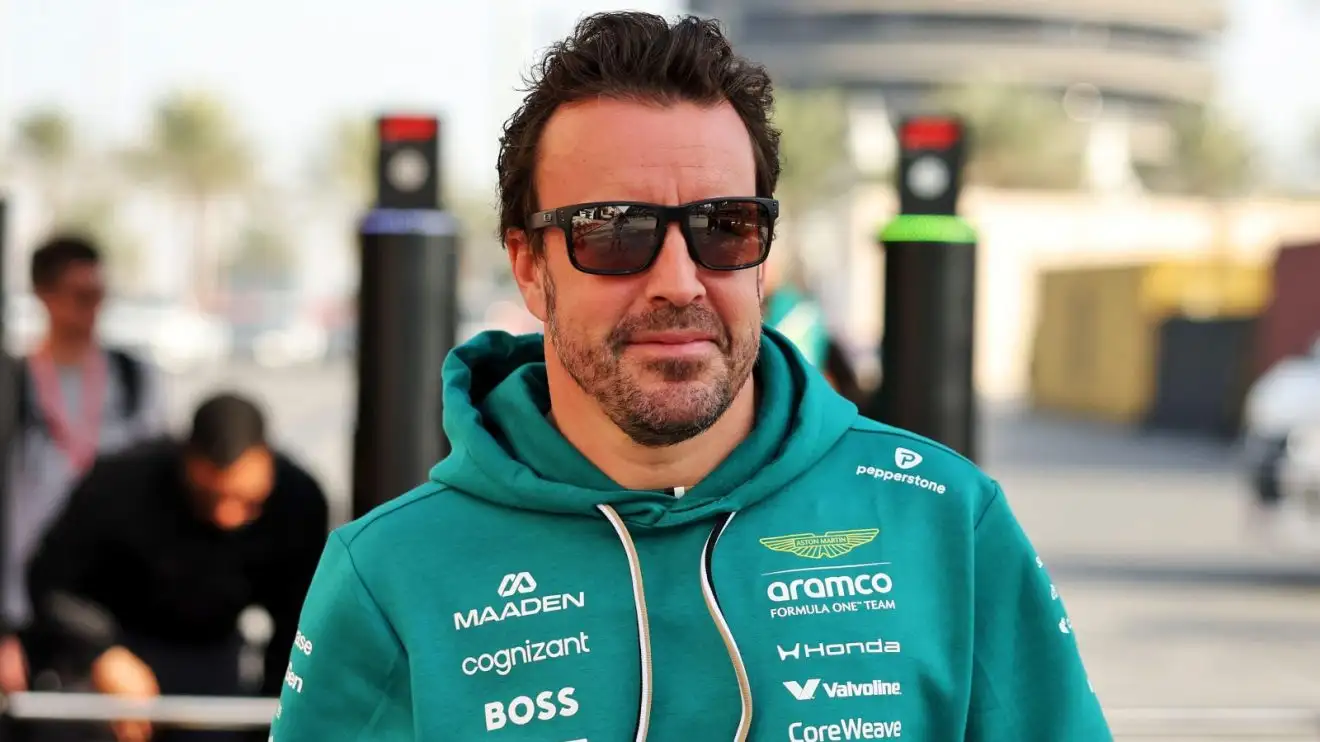
Fernando Alonso jokes Aston Martin's chef could drive the 2026 F1 car
Fernando Alonso humorously suggested Aston Martin's team chef could drive the 2026 F1 car due to drastically reduced cornering speeds mandated by new energy management rules. He detailed a 50 kph drop in high-speed corners, arguing the focus has shifted from driver skill to battery conservation, echoing concerns about the sport's direction while calling for patience to judge the new racing product.
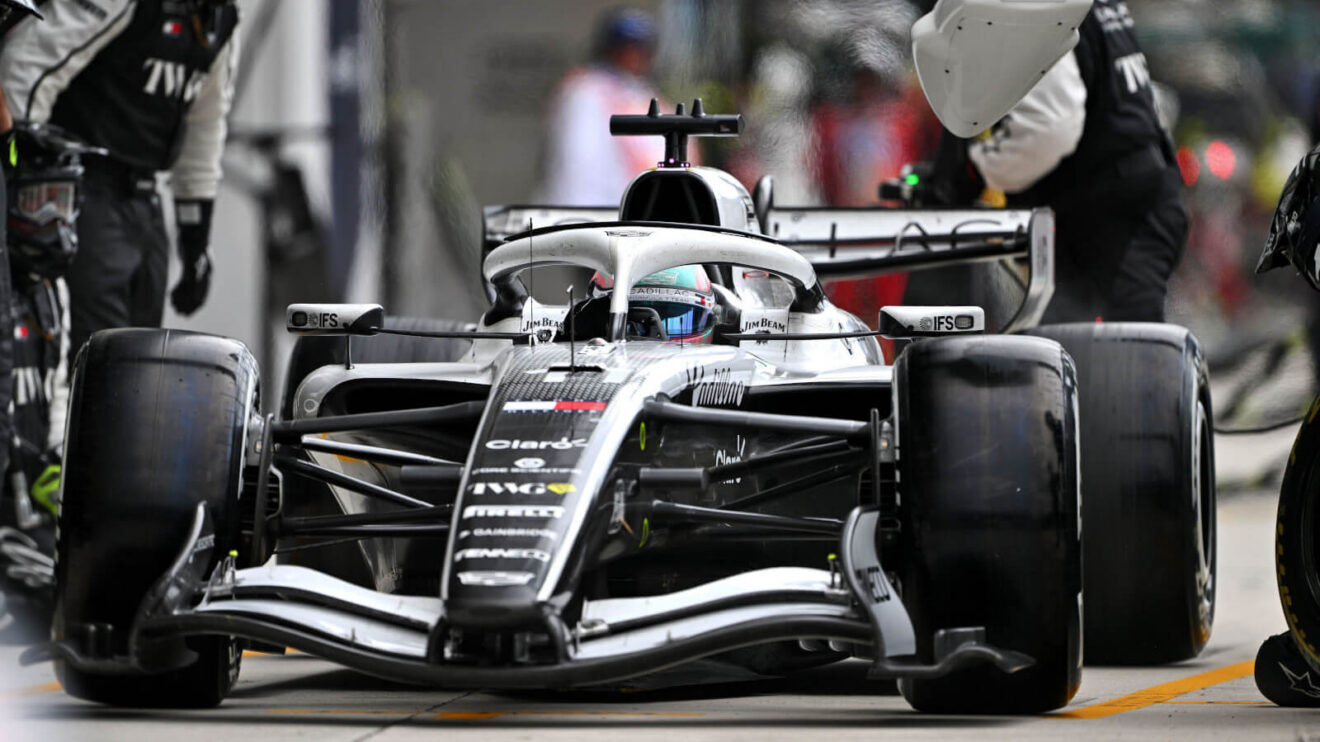
Fernando Alonso has delivered a vivid critique of the 2026 Formula 1 regulations, suggesting the extreme focus on battery management has reduced cornering speeds so drastically that a team's chef could handle the car. The Aston Martin driver provided a detailed technical comparison, highlighting how the new energy constraints are shifting the decisive factor in performance from pure driving skill to strategic energy deployment.
Why it matters:
Alonso's comments, while delivered with his characteristic wit, underscore a fundamental concern among drivers about the soul of Formula 1. The shift from maximizing cornering speed to meticulously managing energy for the straights represents a potential dilution of the driver's traditional role as the ultimate performance differentiator. This debate touches on the core identity of the sport as a balance between human skill and technological management.
The details:
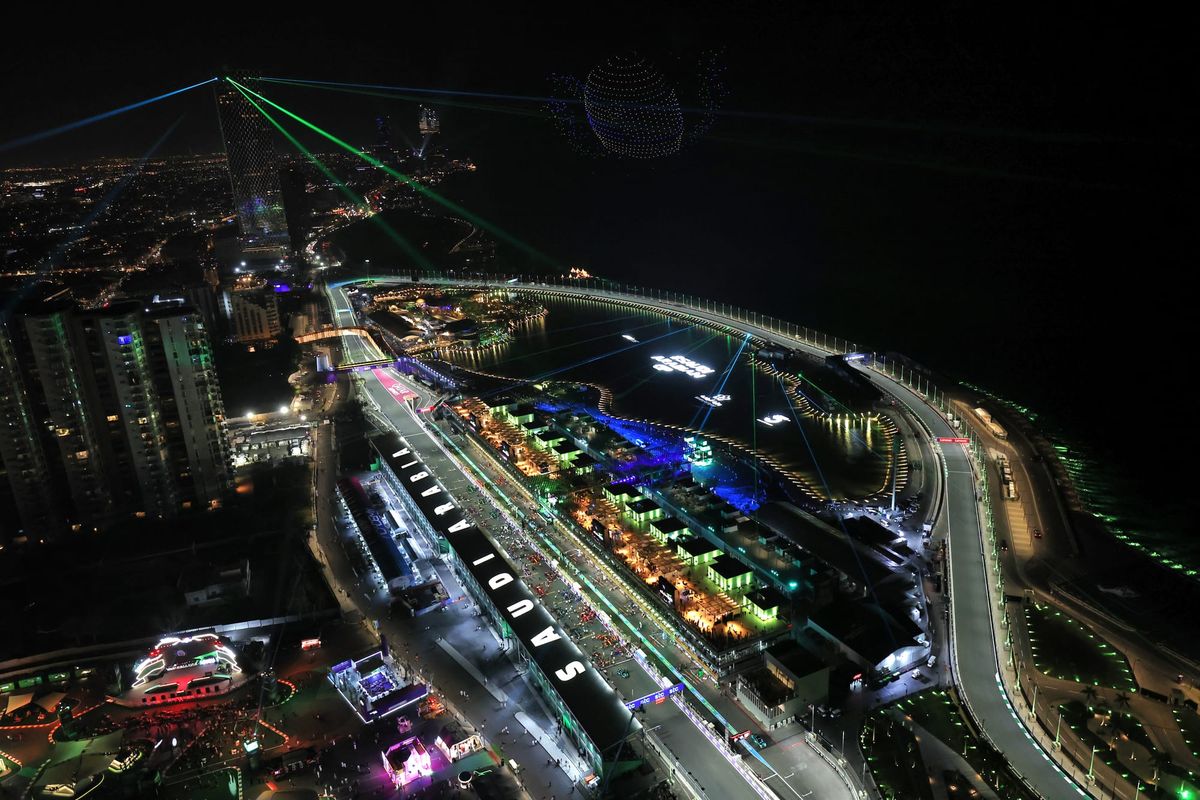
- Alonso used the specific example of Turns 10 and 12 at the Bahrain International Circuit, historically high-speed corners where drivers would traditionally trim downforce to find the limit.
- He stated that speeds through these corners have dropped by approximately 50 kph under the 2026 simulations, from around 260 kph to just 200 kph, to conserve electrical energy for use on the straights.
- This dramatic reduction, he joked, lowers the skill threshold required to navigate the corner, hence the quip about the team chef.
- The Spaniard explained that a driver's lap time is now dictated more by how much energy the power unit has saved for the next straight than by bravery or car control in the corners.
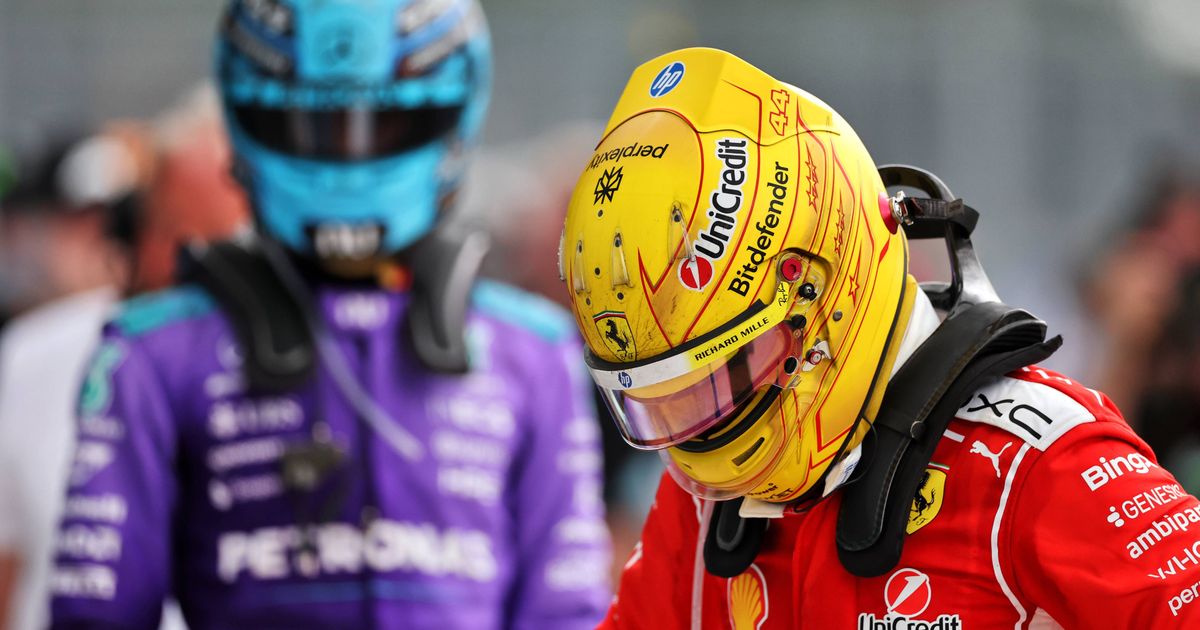
- Alonso acknowledged Max Verstappen's vocal criticisms of the new rules, agreeing that drivers naturally want to make the difference by being faster in the corners.
The big picture:
Alonso offered a nuanced historical perspective, noting that Formula 1 has always been about managing a performance variable. He pointed out that in recent seasons, the key differentiator was aerodynamic downforce, where Verstappen's Red Bull could take corners significantly faster than rivals. Now, that variable is energy allocation. He emphasized that the core love for racing and competition remains, whether in a cutting-edge F1 car or even a rental car on the same track, but admitted the driver's direct input on lap time is diminished.
What's next:
The two-time champion urged patience, suggesting the true impact of the 2026 regulations will only become clear after three or four races when all teams are competing together. He believes the racing could become more focused on "pure driving," albeit within the new energy constraints, and that the sport will adapt as it always has. The coming seasons will test whether this new formula strikes the right balance between technical innovation and the spectacle of driver skill.
Don't miss the next lap
Get the deep dives and technical analysis from the world of F1 delivered to your inbox twice a week.
Zero spam. Only high-octane analysis. Unsubscribe anytime.
Join the inner circle
Get the deep dives and technical analysis from the world of F1 delivered to your inbox twice a week.
Zero spam. Only high-octane analysis. Unsubscribe anytime.
Continue Reading
View More News