Fernando Alonso was rejected as Pope's driver in 2011
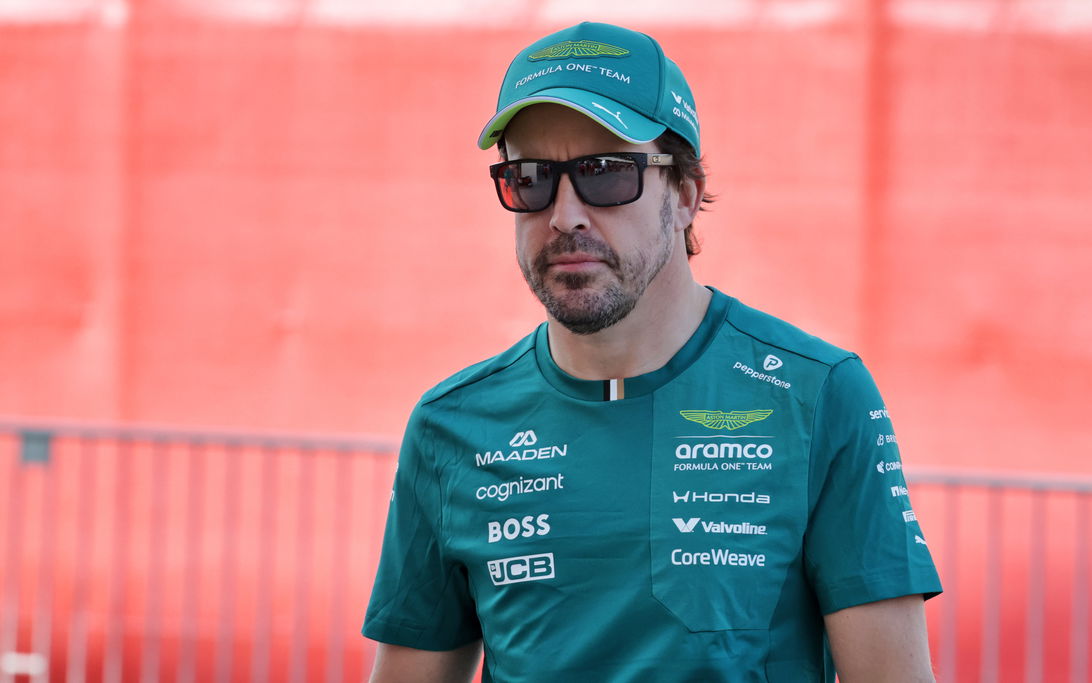
In 2011, organizers for Pope Benedict XVI's Madrid visit proposed F1 driver Fernando Alonso as the Popemobile driver, capitalizing on his massive popularity. The Vatican immediately rejected the idea, insisting on a police officer, highlighting a firm divide between celebrity appeal and rigid traditional protocol.
Fifteen years ago, organizers of a papal visit to Madrid proposed that Formula 1 star Fernando Alonso should drive the Popemobile, a suggestion that was swiftly and firmly rejected by Vatican officials. The idea, born from Alonso's immense popularity and driving expertise, highlights a unique clash between sporting celebrity and traditional protocol.
Why it matters:
The incident underscores the cultural icon status Alonso held in Spain at his peak, where his fame was deemed significant enough to propose him for one of the most visible and symbolic roles during a major state and religious event. It also illustrates the strict, unchanging protocols surrounding the Pope's security and ceremonial functions, which ultimately override any popular or logical appeals, no matter how famous the proposed driver.
The details:
- The proposal was made for Pope Benedict XVI's visit to Madrid for World Youth Day in August 2011.
- Yago de la Cierva, the coordinator of papal trips to Spain at the time, revealed he specifically asked if the Ferrari driver could take the wheel.
- Vatican officials were "outraged" by the suggestion and issued an immediate, definitive refusal, insisting the driver must be a national police officer.
- De la Cierva defended the idea, arguing, "I think he knows how to drive, I mean, I think the Pope is not in danger."
- The timing coincided with the F1 summer break, just one week before the season resumed at the Belgian Grand Prix.
- Despite Ferrari's uncompetitive car that year, Alonso was in stellar form, securing 10 podium finishes—including a win at the British Grand Prix—and finishing fourth in the Drivers' Championship.
Between the lines:
While the proposal seemed logical from a Spanish public relations and practical driving skill perspective, it failed to account for the Vatican's deeply entrenched traditions and security doctrines. The role of the Popemobile driver is not merely functional but also symbolic, representing institutional authority and protection. The rejection reaffirms that within the Vatican's walls, established protocol and perceived propriety hold far more weight than contemporary star power, even that of a two-time world champion driving for Ferrari at the height of his national fame.
Don't miss the next lap
Get the deep dives and technical analysis from the world of F1 delivered to your inbox twice a week.
Zero spam. Only high-octane analysis. Unsubscribe anytime.
Join the inner circle
Get the deep dives and technical analysis from the world of F1 delivered to your inbox twice a week.
Zero spam. Only high-octane analysis. Unsubscribe anytime.
Continue Reading
View More News