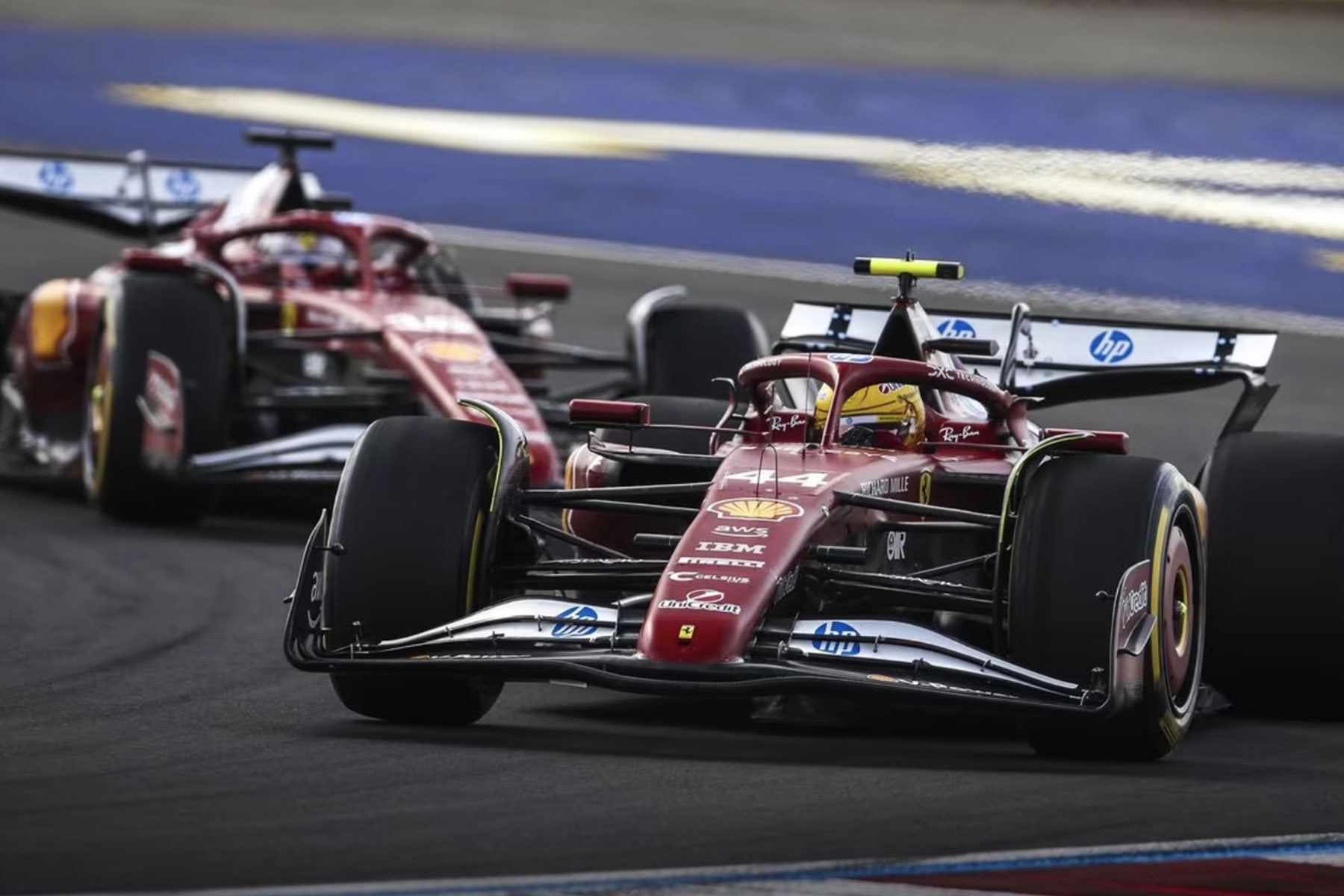
Ferrari Crisis Escalates: Experts Slam Elkann's Driver Criticism
Ferrari President John Elkann publicly blamed drivers Charles Leclerc and Lewis Hamilton for the team's struggles after the São Paulo Grand Prix, sparking outrage. Experts, including insider Leo Turrini and ex-Haas boss Günther Steiner, slammed Elkann's comments as poor leadership, arguing that Ferrari's problems are systemic and structural, not driver-related. This public criticism further destabilizes the team, hindering their pursuit of a championship-winning car and a unified internal environment.
Ferrari president John Elkann publicly criticized drivers Charles Leclerc and Lewis Hamilton after the chaotic São Paulo Grand Prix, praising mechanics and engineers while stating 'the rest' isn't working—a clear jab at the men in the cockpit. Elkann accused the drivers of talking too much and delivering too little, citing Hamilton's description of the car as a 'nightmare' and Leclerc's 'too slow' comments. His demand: less criticism, more focus. However, according to F1-Insider, these remarks caused significant irritation among both drivers and the team. Two prominent experts with decades of Ferrari knowledge publicly disagree.
Why it matters:
Ferrari's ongoing struggles to achieve consistent championship contention have now been exacerbated by a public leadership crisis. President John Elkann's direct criticism of his star drivers, Charles Leclerc and future signing Lewis Hamilton, undermines team morale and deflects from deeper, systemic issues within the Scuderia. This internal turmoil could further hinder Ferrari's ability to develop a championship-winning car and challenge the dominant teams, creating an even more challenging environment for both current and incoming talent.
The Details:
- Elkann's Accusation: Following the São Paulo Grand Prix, Elkann publicly stated that while mechanics and engineers were performing well, 'the rest' (implying the drivers) was not. He specifically blamed drivers for 'talking too much' and 'delivering too little.'
- Driver Comments: Hamilton had previously called the Ferrari a 'nightmare,' and Leclerc described the car as 'too slow.'
- Internal Reaction: F1-Insider reports significant irritation within the team, including among the drivers, following Elkann's remarks.
- Leo Turrini's Rebuttal: The long-time Ferrari insider strongly criticized Elkann on his blog 'Profondo Rosso.'
- Core Argument: Turrini asserts that Ferrari's problems are structural, not driver-centric, pointing out that Ferrari hasn't won a title since 2007 despite having top-tier drivers like Alonso, Vettel, Leclerc, and soon Hamilton.
- Direct Challenge to Elkann: Turrini stated, 'If Gianni Agnelli's grandson believes that talking too much is the problem, he should change his advisors and managers.'
- Günther Steiner's Critique: The former Haas team principal also attacked Elkann's approach on 'The Red Flags' podcast.
- Leadership Failure: Steiner declared, 'A president can criticize – but never publicly. That was bad leadership,' emphasizing that public criticism destroys team spirit.
- Defense of Leclerc: Steiner defended Charles Leclerc, asking, 'Charles gives everything. What more can he do?'
- Mirroring the Problem: Steiner noted that Elkann himself made the decision to replace Carlos Sainz with Hamilton, suggesting, 'If Elkann is unhappy, he should look in the mirror. He made this decision.'
The Big Picture:
Ferrari has been plagued by structural weaknesses for years, preventing them from consistently competing for championships. Elkann's public targeting of drivers, rather than addressing these deeper issues, has been deemed unprofessional and strategically dangerous by experts. The focus should be on unifying the team internally and providing a competitive car, a challenge that remains elusive as long as this fundamental conflict persists within Maranello.
What's next:
Resolving Ferrari's internal leadership and structural issues is paramount for any future championship aspirations. While Leclerc and Hamilton are expected to deliver, their performance is inherently tied to the quality of the machinery and the cohesion of the team behind them. Until Ferrari can provide a consistently competitive car and foster a unified environment, a World Championship title is likely to remain out of reach. The coming seasons will reveal whether the Scuderia can pivot from this divisive approach to a more constructive, unified strategy under Elkann's leadership.