Ferrari Reportedly Adopting Mercedes-Style Engine Trick for 2027
Ferrari is engineering a 2027 F1 power unit to use a 'dynamic compression ratio' trick similar to Mercedes', banking on the FIA ruling it legal. This comes amid a heated dispute over a regulatory loophole that could offer a major performance advantage, with rivals pushing for a rule change before the 2026 season starts.
Ferrari is reportedly developing a Mercedes-style 'dynamic compression ratio' system for its 2027 Formula 1 power unit, aiming to exploit the same regulatory gray area currently at the center of a pre-season controversy. This move suggests Ferrari expects the FIA to ultimately deem the innovative approach legal, even as rival manufacturers push for an immediate rule clarification before the 2026 season begins.
Why it matters:
The compression ratio debate strikes at the heart of the new 2026 power unit regulations. A performance advantage of up to 0.3 seconds per lap is at stake, which could define the early competitive order under the new rules. Ferrari's decision to pursue this technology indicates a significant shift in engineering philosophy and a bet on the FIA's regulatory interpretation, setting the stage for a potential technical and political battle that could shape the next era of F1.
The Details:
- The controversy centers on a rule limiting the static compression ratio to 16.0. Reports claim Mercedes and Red Bull Powertrains found a way to achieve an effective ratio of 18.0 on track by using components that expand with heat, a loophole not explicitly covered by current measurement protocols.
- Italian journalist Leo Turrini reports that Ferrari's PU Technical Director, Enrico Gualtieri, has begun work on the 2027 engine, with modifications specifically aimed at creating a similar dynamic compression ratio system.
- Technical Approach: Ferrari's engineers are reportedly designing a new connecting rod with a high thermal expansion coefficient. This would allow the rod to lengthen under operating temperatures, counteracting the natural loss of compression from heat expansion in other engine components.
- Internal Confidence: The plan is said to have approval from Ferrari's engine department leadership, operating under the belief that the FIA will rule the Mercedes solution legal "in all respects."
- Development Timeline: Due to production timing, the 2027-spec engine is not expected to undergo dyno testing until this summer.
What's next:
The immediate focus is on whether the FIA's Power Unit Advisory Committee (PUAC) will amend the measurement rules before the Australian Grand Prix. A change requires support from four of the five manufacturers (Mercedes, Ferrari, Red Bull Powertrains, Honda, Audi), along with the FIA and FOM.
- While Red Bull is also believed to have explored the loophole, reports suggest its results were less successful, potentially leading it to side with Ferrari, Honda, and Audi in seeking a rule change.
- Mercedes Team Principal Toto Wolff has defended his team's transparent development process with the FIA and dismissed rivals' complaints, emphasizing the need for competitors to improve their own projects.
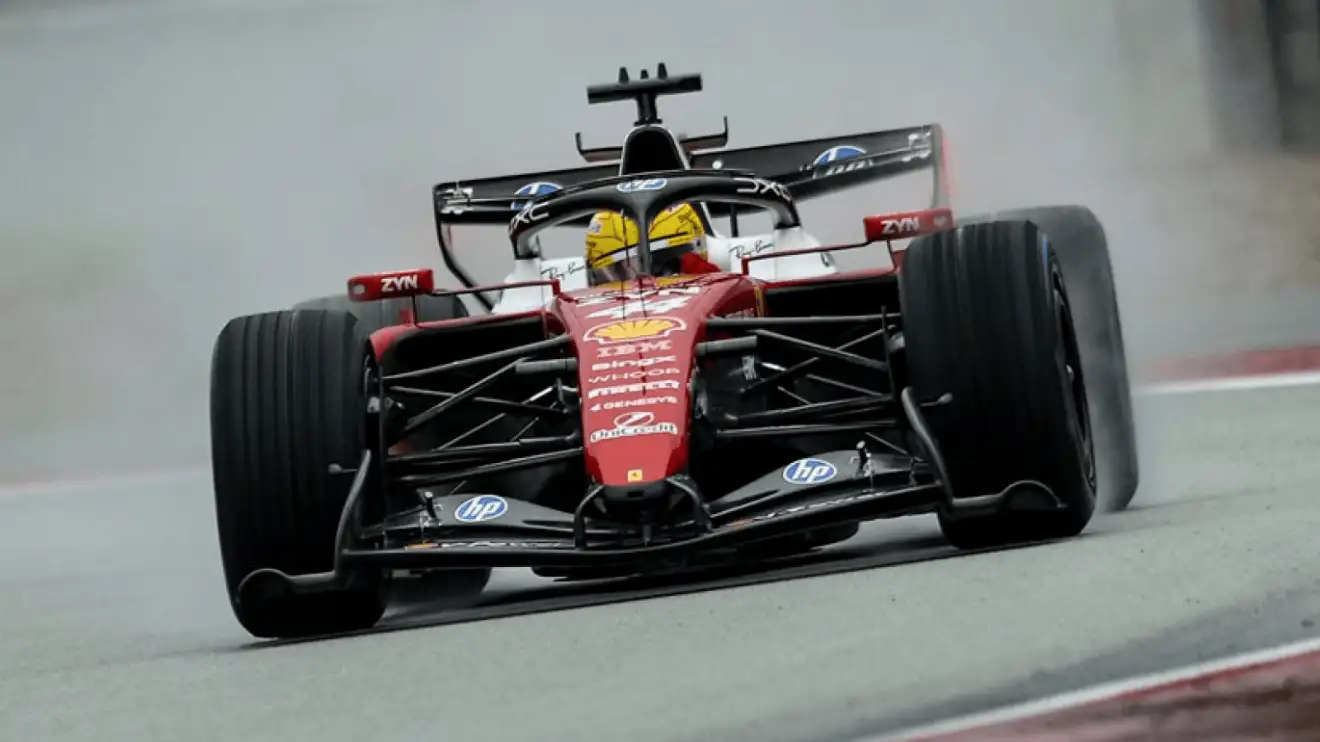
- Ferrari's current 2026 engine is already innovative, rumored to feature steel cylinder heads for more efficient combustion, and showed promising reliability in pre-season testing, completing the second-highest lap count in Barcelona.
Don't miss the next lap
Get the deep dives and technical analysis from the world of F1 delivered to your inbox twice a week.
Zero spam. Only high-octane analysis. Unsubscribe anytime.
Join the inner circle
Get the deep dives and technical analysis from the world of F1 delivered to your inbox twice a week.
Zero spam. Only high-octane analysis. Unsubscribe anytime.
Continue Reading
View More News