Ferrari Reveals Ignored FIA Warning Over F1 Start Concerns
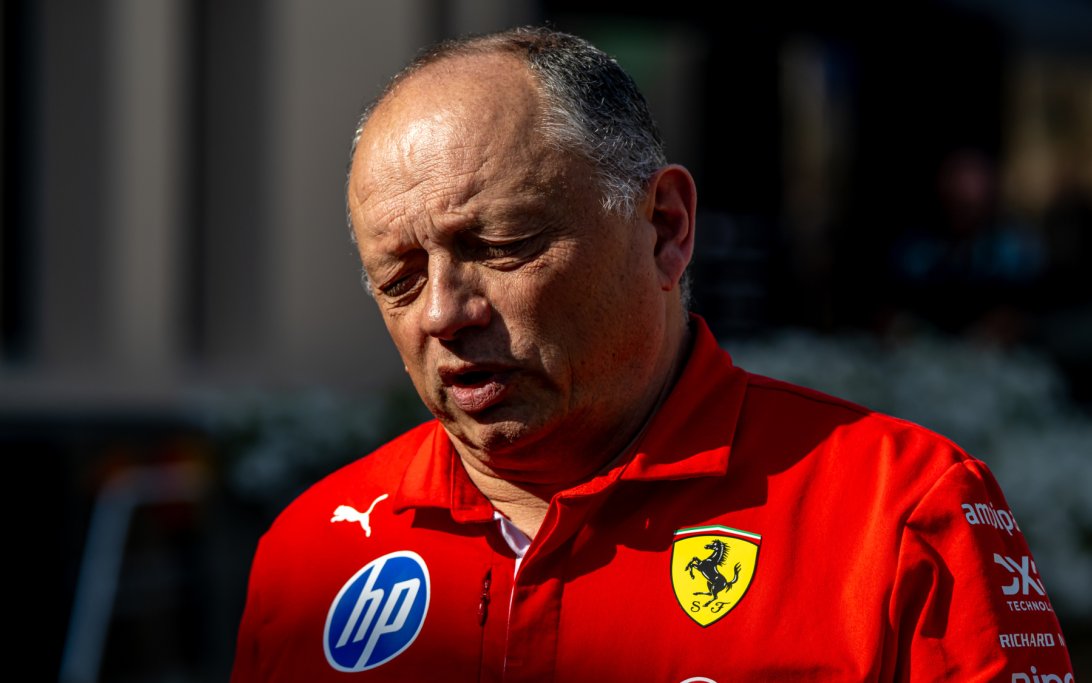
Ferrari boss Fred Vasseur says the team warned the FIA a year ago that the new F1 power units would create major difficulties with race starts, a prediction now coming true in testing. The issue, caused by removing the MGU-H, has led to a new starting light procedure being introduced for the season.
Ferrari team principal Fred Vasseur has disclosed that the team warned the FIA a year ago about the significant challenges the new 2026-spec power units would pose to race start procedures, a prediction that has become a central issue in pre-season testing. The FIA opted not to alter the regulations, leading to the complex start process teams are now grappling with, though a new flashing light system tested in Bahrain has been accepted as a safe compromise.
Why it matters:
Race starts are one of the most critical and visible moments in Formula 1, directly impacting safety, race strategy, and the spectacle of the sport. A flawed or unpredictable procedure could lead to dangerous pile-ups or unfairly penalize teams based on their engine architecture choices. Ferrari's revelation highlights a potential gap between team foresight and regulatory action, raising questions about the collaborative process in shaping the sport's future technical landscape.
The Details:
- The core issue stems from the removal of the MGU-H (Motor Generator Unit – Heat) component in the new power unit regulations. This device previously helped spool the turbo, making launch procedures more straightforward.
- Without the MGU-H, drivers must now manually keep the turbo spinning at high revs while stationary on the grid, a delicate and lengthy process that has yielded inconsistent results in testing.
- Vasseur stated the team raised specific concerns about the "tricky" starting procedure with the FIA one year ago, but the governing body decided against changing the procedure at that time.
- This regulatory decision forced all teams, including Ferrari, to finalize their 2026 power unit architecture around the known challenge.
- In response to the testing difficulties, a new starting procedure was trialed in Bahrain. It involves a five-second blue flashing light sequence after all cars are grid, followed by the traditional five red lights, giving drivers a longer, defined window to prepare their systems.
What's next:
The new flashing light procedure appears to have garnered initial acceptance from the teams as a safe and workable solution for the season ahead. Vasseur's comments suggest the matter is settled for now, with the implicit understanding that teams must adapt to the rules as written. However, this episode may prompt earlier and more intensive collaboration between teams and the FIA on future regulatory changes, especially for fundamental procedures like the race start. The true test will come under the pressure of a live race start with championship points on the line.
Don't miss the next lap
Get the deep dives and technical analysis from the world of F1 delivered to your inbox twice a week.
Zero spam. Only high-octane analysis. Unsubscribe anytime.
Join the inner circle
Get the deep dives and technical analysis from the world of F1 delivered to your inbox twice a week.
Zero spam. Only high-octane analysis. Unsubscribe anytime.
Continue Reading
View More News