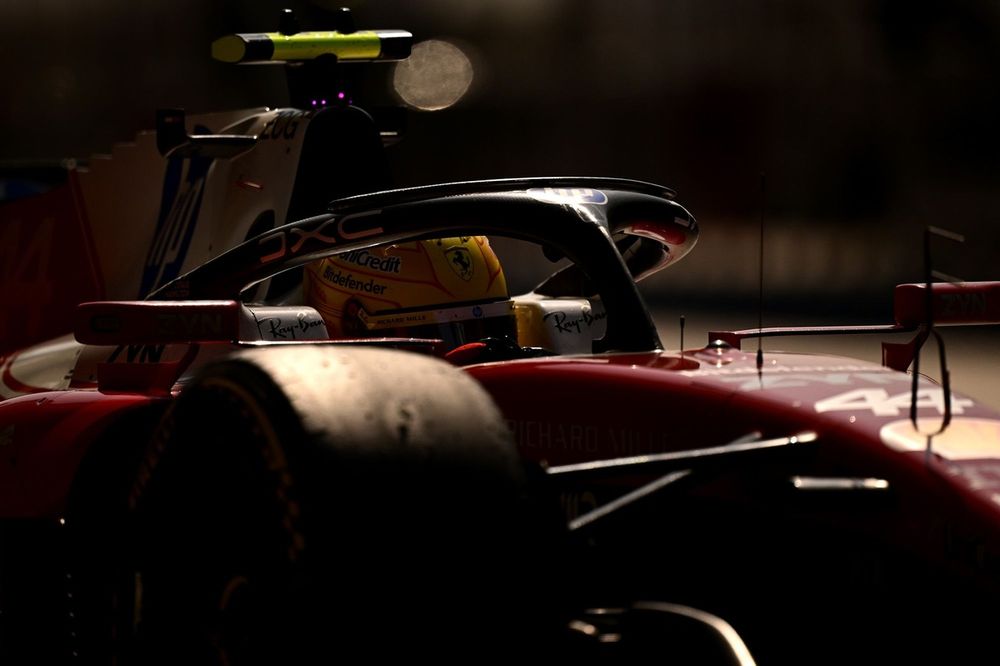
Ferrari's Bahrain-bound SF-26 boasts robust power unit, strategic turbo choice
Ferrari's new power unit demonstrated exceptional reliability in pre-season testing, completing over 4,300 km. The team's strategic choice of a smaller turbo aims to reduce lag and could offer a launch advantage, setting the stage for a strong start to the 2024 season in Bahrain.
Ferrari heads into the Bahrain Grand Prix with a fresh power unit and aerodynamic updates, following a remarkably reliable pre-season where its new 067/6 engine completed over 4,300 km—equivalent to 14 race distances—without major issues. The only minor hiccup occurred during a fuel pick-up test, which provided valuable data for race simulations. The team will now inspect the used unit for wear while preparing a new one for the season opener.
Why it matters:
This level of reliability from a brand-new power unit is a significant and positive departure from Ferrari's recent history, where engine durability has sometimes been a concern. A robust and powerful engine is the foundation for a consistent championship challenge, and early signs suggest the Scuderia may have a solid base to build upon for the 2024 season.
The details:
- The engine's extensive mileage was accumulated during the shakedown at Fiorano and across testing in Barcelona and Bahrain.
- The sole interruption was a planned engine shutdown a few laps early during Lewis Hamilton's long run on the final day in Sakhir, executed to conduct a fuel pick-up test for FIA compliance checks.
- Data from that test showed slightly higher fuel consumption than simulations predicted, information the team views as positive for refining grand prix strategies.
- With the inspected unit set aside, Ferrari will fit a fresh power unit and likely a new, reinforced gearbox for the Bahrain GP. The team's energy recovery strategies, which involve using shorter gears to spool the turbo faster, place higher loads on the transmission, necessitating potential durability upgrades.
The big picture:
Ferrari's strategic engine design choices are coming into focus. The team deliberately selected a smaller Honeywell turbocharger compared to rivals like Mercedes. The primary goal is to minimize turbo lag, allowing the car to use less MGU-K assistance during acceleration and save more electrical energy for deployment on the straights.
- This design also provides a potential advantage during race starts. A smaller turbo requires less time to spool up and generate the necessary boost for launch, a process that can take around 10 seconds with larger turbos.
- This starting procedure has become a topic of discussion in the F1 Commission, with McLaren's Andrea Stella raising safety concerns about cars potentially stalling on the grid. Ferrari, benefiting from its chosen design, is opposed to rule changes that would negate this advantage.
What's next:
All eyes will be on the SF-26's performance in Bahrain to see if its testing reliability translates into race-winning pace. The team's decision to reinforce the gearbox will be tested under the extreme loads of qualifying and the race. Furthermore, the debate over starting procedures and turbo specifications is likely to continue in the F1 Commission, with Ferrari keen to protect the competitive edge its engine philosophy may provide.