Ferrari's F1 Race Start Edge Explained
Ferrari and its customer teams are exhibiting a significant performance advantage during Formula 1 race starts in pre-season testing. This edge stems from a strategic decision to develop a smaller, faster-spooling turbo for its power unit, a direct countermeasure to new regulations that have made launches more challenging and less predictable for other manufacturers.
Ferrari-powered cars are demonstrating a clear advantage in race starts during pre-season testing, a critical edge attributed to a strategic engineering choice made in anticipation of new power unit regulations. While rivals grapple with the challenges of a revised start procedure, Ferrari's decision to develop a smaller turbo is paying immediate dividends off the line.
Why it matters:
Race starts have emerged as a significant concern under the 2026-spec power unit rules, with safety and performance issues at the forefront. Ferrari's early mastery in this area could translate into crucial track position gains in the opening laps of races, potentially disrupting the competitive order from the very first corner of the season.
The Details:
- The removal of the MGU-H (Motor Generator Unit – Heat) from the current power units has fundamentally changed launch dynamics. This component previously managed turbo speed for optimal starts.
- Drivers are now prohibited from "pre-loading" the turbo before a start. They must manually spool it up only after reaching their grid slot, a process that can take up to 10 seconds.
- This creates a disadvantage for cars starting further back, as they have less time between arriving on the grid and the lights going out.
- The manual process also increases the risk of stalling, as drivers must maintain correct turbo RPM while completing other start procedures, raising safety flags within the sport.
- In response to these foreseen challenges, which it raised with the FIA last year, Ferrari opted for a different turbo design philosophy.
- The Turbo Advantage: The Scuderia developed a physically smaller turbo for its power unit. A smaller turbo has less rotational mass, allowing it to reach its optimal operating speed much faster than the larger turbos used by competitors.
- This engineering solution not only enables quicker launches but also improves energy harvesting efficiency in higher gears, preventing the need to use sub-optimal gear ratios in corners—an issue observed with other cars during testing.
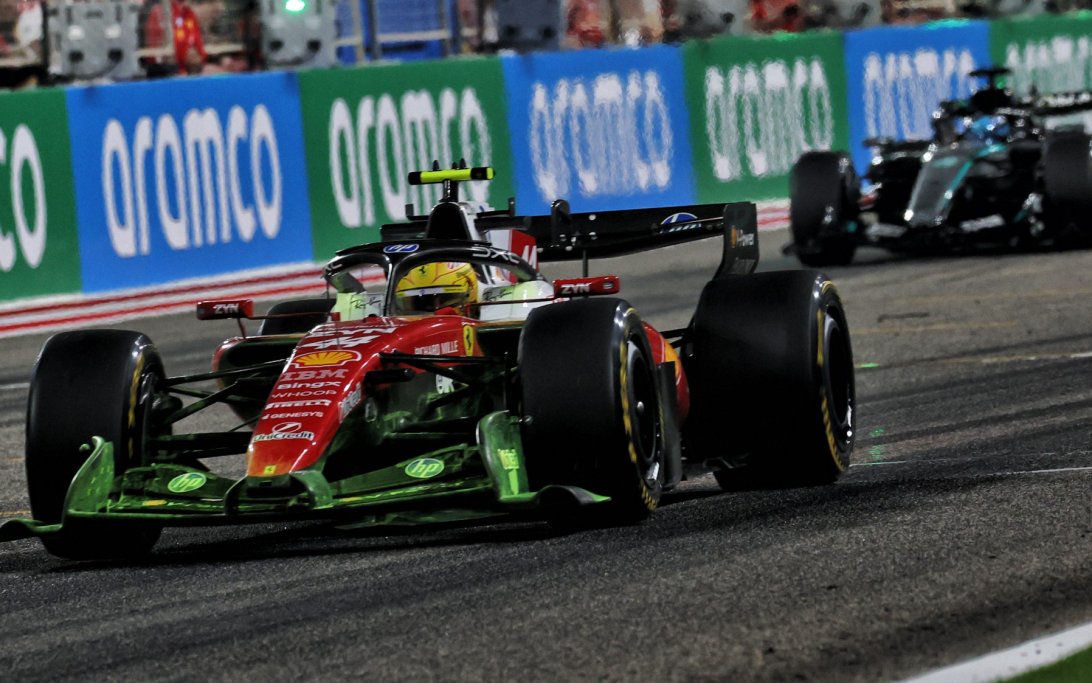
- The benefit is evident for all Ferrari-powered cars, including the works SF-26, the Haas VF-26, and the Stake F1 Team Kick Sauber, which have all shown superior getaway speed in practice starts.
What's Next:
Formula 1 is actively trialing a revised start procedure during testing, which would extend the time cars are on the grid before the race start, with the aim of implementing it for the Australian Grand Prix. This change is designed to mitigate the safety and performance issues for all teams.
- Ferrari is reportedly unhappy with this potential rule adjustment, as it directly negates the competitive advantage gained from its proactive turbo design.
- The situation sets up an early-season technical and regulatory intrigue, testing whether a clever pre-emptive design can survive a reactive rule change intended to level the playing field.
Don't miss the next lap
Get the deep dives and technical analysis from the world of F1 delivered to your inbox twice a week.
Zero spam. Only high-octane analysis. Unsubscribe anytime.
Join the inner circle
Get the deep dives and technical analysis from the world of F1 delivered to your inbox twice a week.
Zero spam. Only high-octane analysis. Unsubscribe anytime.
Continue Reading
View More News