Ferrari's push to ban Mercedes' engine trick fails
Ferrari, Audi, and Honda have been unsuccessful in banning a Mercedes and Red Bull engine design that legally bypasses compression ratio limits. With a majority of teams using the trick, a rule change is unlikely, potentially locking in a performance advantage for the 2026 season.
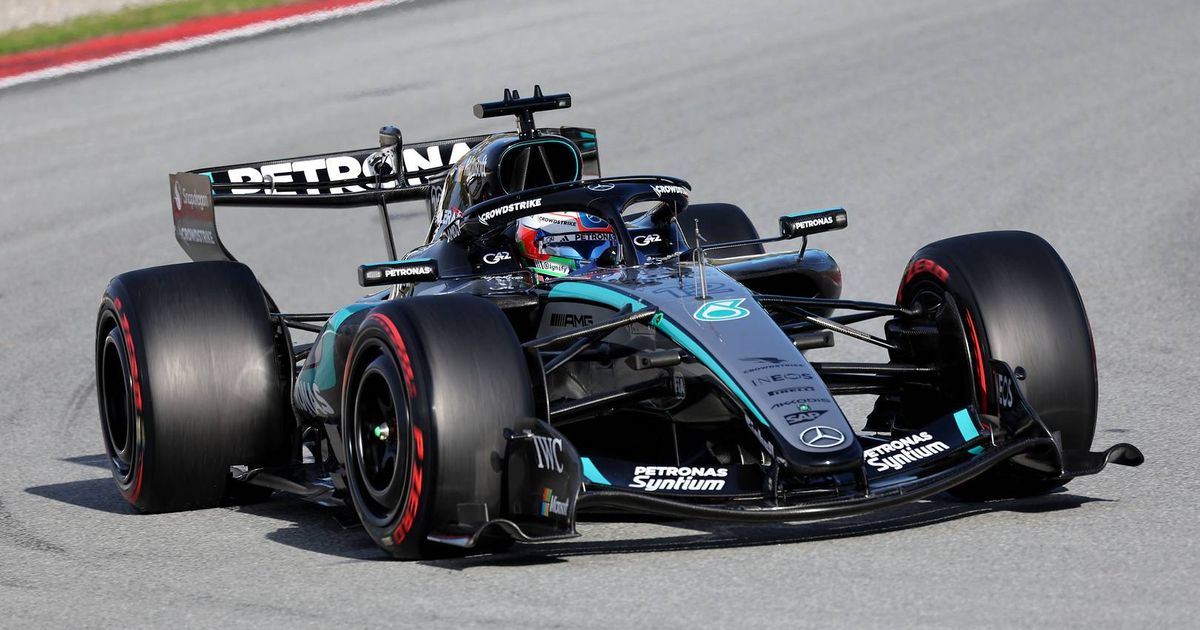
Ferrari, Audi, and Honda have failed in their latest attempt to get the FIA to ban a clever engine design used by Mercedes and Red Bull Ford that exploits a regulatory loophole for performance gain. The dispute centers on achieving a higher compression ratio than the rules ostensibly allow, a technical trick that currently cannot be outlawed as a majority of teams are reportedly using it.
Why it matters:
This stalemate highlights a significant and potentially lasting competitive imbalance as F1 enters its new engine era. If the design remains legal, teams like Mercedes and Red Bull could maintain a power unit advantage for the entire regulation cycle, impacting the championship battle before a single car hits the track in 2026. It also tests the FIA's ability to govern technical gray areas when a majority of competitors benefit from them.
The details:
- The 2026 power unit regulations set a maximum compression ratio of 16.0:1, a figure known to increase engine performance when raised.
- Mercedes and Red Bull Ford are using a design that allows their engines to run at a higher effective compression ratio during actual operation, while still passing the FIA's official measurement test, which is conducted with the engine at a non-optimal temperature.
- During a scheduled meeting this Thursday, Ferrari, Audi, and Honda once again pushed for the FIA to ban this practice, but no changes were made. Discussions are expected to continue.
- A rule change is currently impossible, and talks are instead focused on potentially altering the measurement methodology in the future. However, securing a majority vote for such a change is unlikely, as six of the eleven teams are believed to be utilizing the same trick.
- Mercedes maintains its power unit is fully legal and has received confirmation from the FIA, with team principal Toto Wolff expressing clear annoyance at the repeated complaints from rivals.
What's next:
The political battle is set to continue behind the scenes, but the immediate technical landscape for 2026 appears settled. Ferrari, Audi, and Honda must now focus on developing their own solutions within—or around—the current regulatory framework. The incident sets a precedent for how technical ambiguities will be handled in the new era, suggesting that innovative interpretations that gain widespread adoption may become de facto legal, reshaping the development war.
Don't miss the next lap
Get the deep dives and technical analysis from the world of F1 delivered to your inbox twice a week.
Zero spam. Only high-octane analysis. Unsubscribe anytime.
Join the inner circle
Get the deep dives and technical analysis from the world of F1 delivered to your inbox twice a week.
Zero spam. Only high-octane analysis. Unsubscribe anytime.
Continue Reading
View More News