Ferrari's radical rotating rear wing faces Melbourne debut decision
Ferrari boss Fred Vasseur has not guaranteed the team's unique rotating rear wing will debut in Australia, describing it as just visible innovation amid widespread development. Technical analysis reveals the design, while radical, has potential drawbacks like slower operation that other teams considered but avoided.
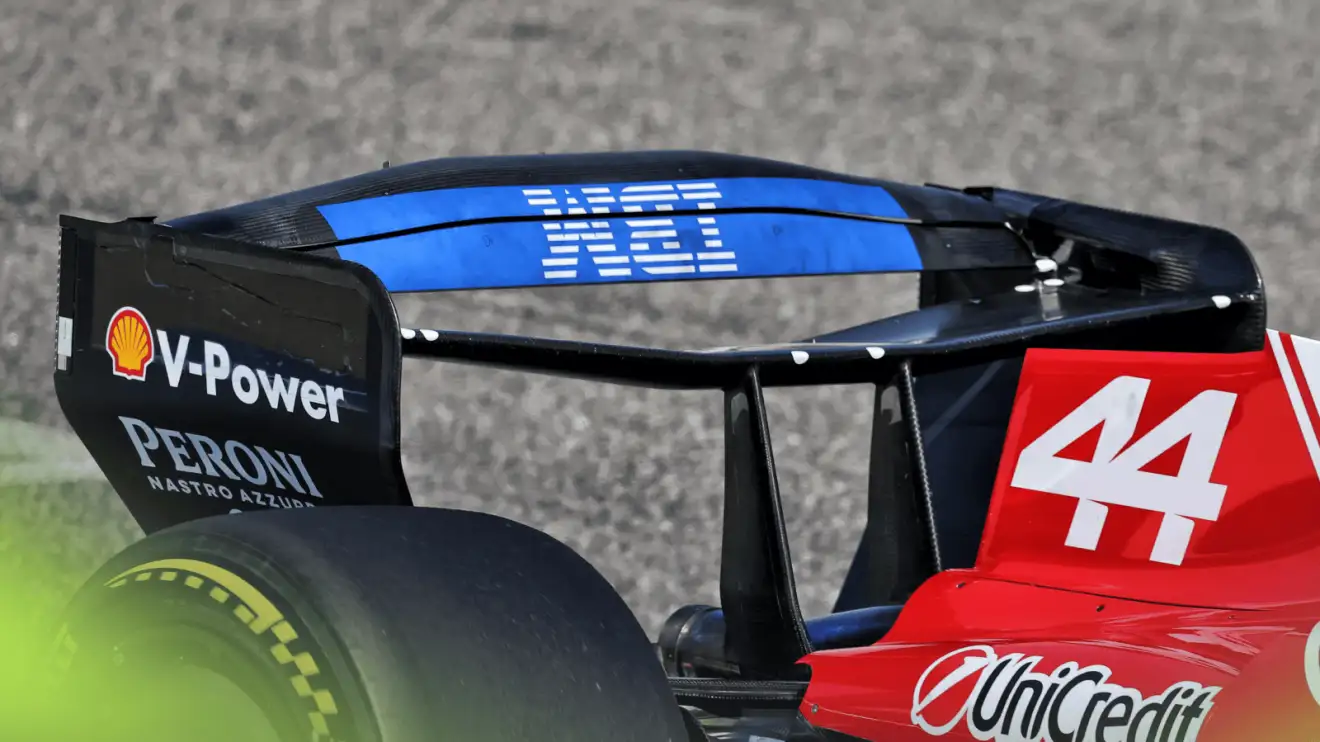
Ferrari team principal Fred Vasseur has not confirmed whether the team's innovative rotating rear wing will race at the season-opening Australian Grand Prix, downplaying its significance despite the design being a unique interpretation of F1's new active aerodynamics rules for 2026. The Scuderia showed strong pre-season form, but Vasseur emphasized that visible innovation does not necessarily equate to a major performance advantage over more conventional solutions used by rivals.
Why it matters:
Ferrari's radical design represents one of the most visually striking technical differentiators on the 2026 grid, challenging the aerodynamic consensus. Its race debut—or absence—in Melbourne will be a key indicator of the team's confidence in the concept's real-world performance and reliability under pressure, setting an early tone for their championship campaign.
The details:
- The rotating rear wing, unveiled in Bahrain testing, sees the upper elements rotate to reduce drag on straights, a departure from the traditional DRS flap design used by most competitors.
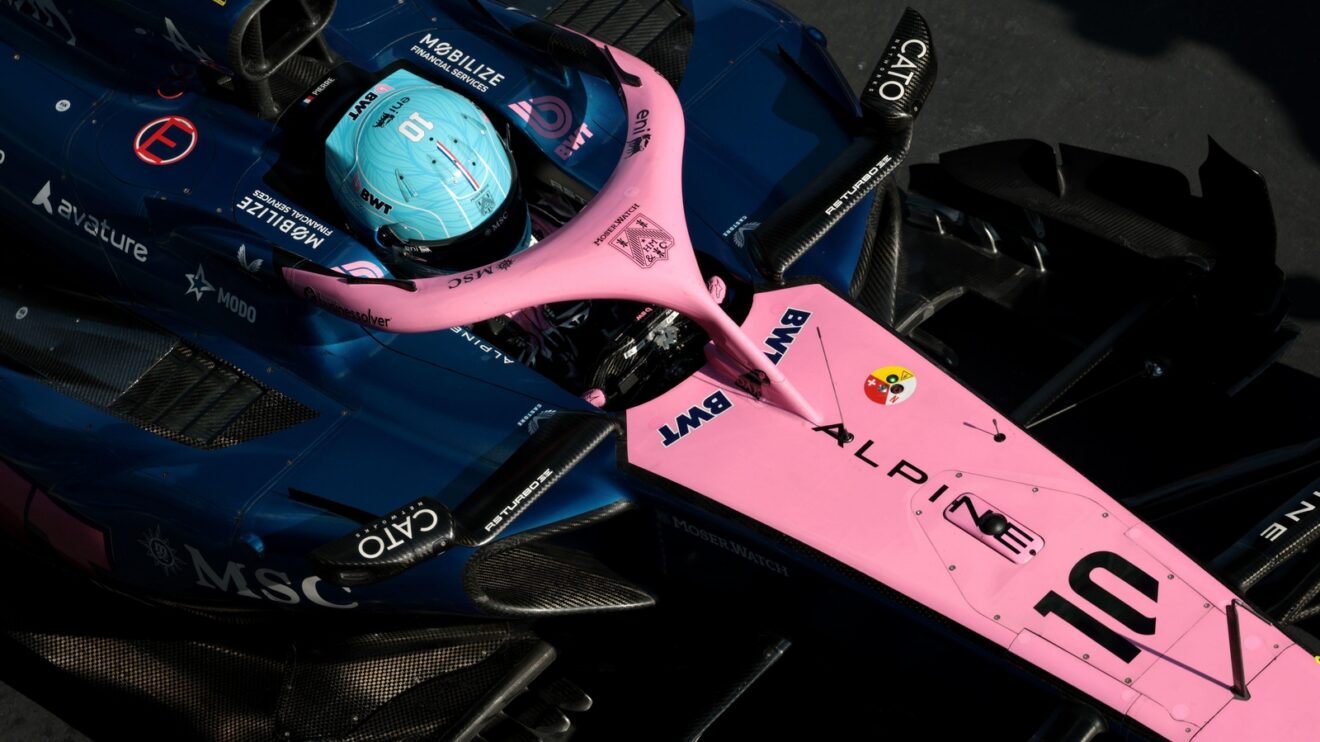
- Only Audi and Alpine have pursued similarly unconventional mechanisms, making Ferrari's solution a standout visual feature.
- Vasseur publicly minimized the upgrade's impact, stating the visible parts "do not make a big difference with the others" and that every team is innovating, whether visibly or not.
- Technical analysis suggests rival teams explored similar rotating designs but rejected them due to perceived drawbacks.
- Primary concerns include a slower activation/deactivation time compared to conventional flaps.
- The wing may create a brief negative aerodynamic "sail" effect when both elements are vertical during transition.
- Williams team principal James Vowles confirmed his team did not pursue this concept during their design phase.
What's next:
The decision for Melbourne on March 8th is pending, with Vasseur noting it could debut there or at the following race in China. All eyes will be on whether Ferrari commits to its bold concept for the first competitive session or opts for a more conservative design while continuing to develop the rotating wing behind the scenes.
Don't miss the next lap
Get the deep dives and technical analysis from the world of F1 delivered to your inbox twice a week.
Zero spam. Only high-octane analysis. Unsubscribe anytime.
Join the inner circle
Get the deep dives and technical analysis from the world of F1 delivered to your inbox twice a week.
Zero spam. Only high-octane analysis. Unsubscribe anytime.
Continue Reading
View More News