Ferrari's 'Rocket' F1 Test Starts Explained
Ferrari-powered cars stunned observers with consistently explosive race starts during F1 testing in Bahrain. This 'rocket' launch capability is attributed to a strategic 2026 engine design featuring a smaller turbo, which better compensates for the loss of the MGU-H and provides a repeatable advantage off the line.
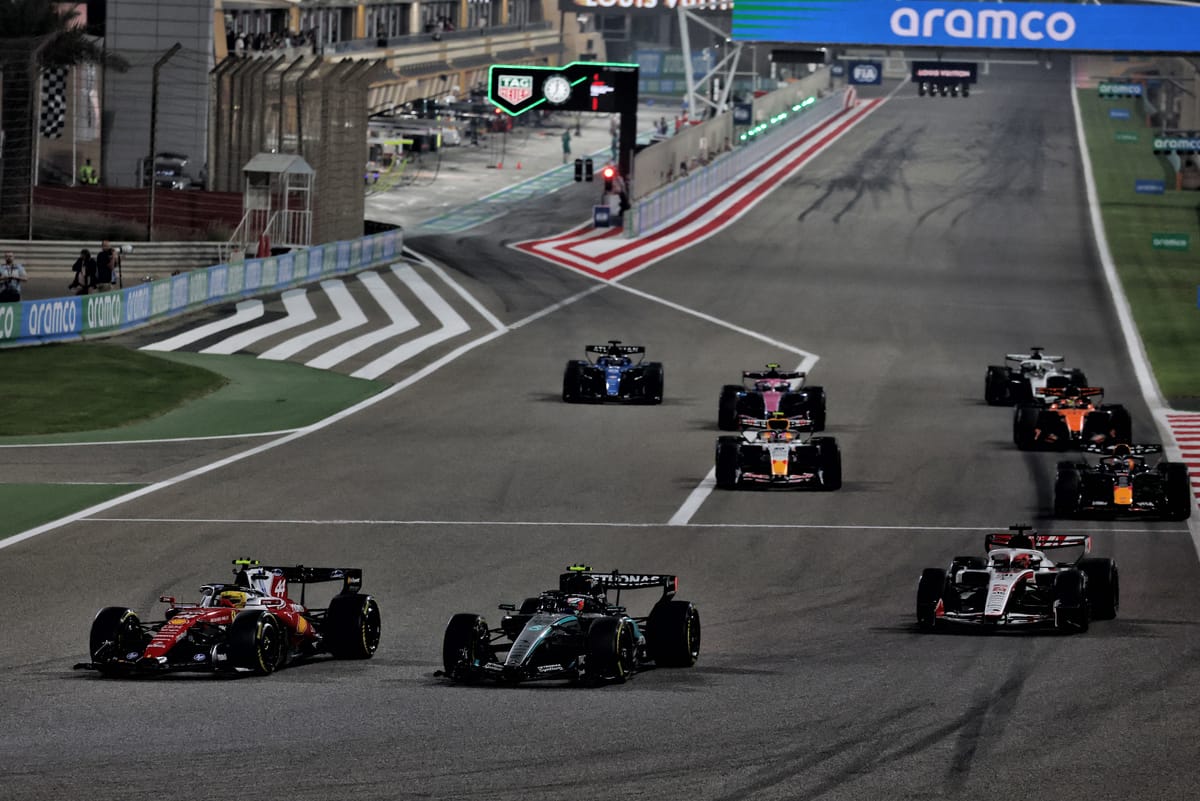
Ferrari-powered cars, including Lewis Hamilton's works car and Esteban Ocon's Haas, delivered explosive race starts during Formula 1 testing in Bahrain, consistently launching past rivals. This apparent advantage is linked to a key design choice for the 2026 power unit rules: a smaller turbocharger that better manages the critical launch phase without the now-banned MGU-H system, making their starts both powerful and repeatable.
Why it matters:
With the major 2026 technical overhaul removing the MGU-H, perfecting race starts has become a significant engineering challenge for all teams. Ferrari's early demonstration of a reliable and potent launch procedure could signal a crucial competitive edge when the new regulations take effect, potentially disrupting the established performance hierarchy from the very first race.
The Details:
- During Thursday evening's practice starts, Lewis Hamilton rocketed from 18th to the lead by the first corner, passing front-row starters Kimi Antonelli (Mercedes) and Max Verstappen (Red Bull).
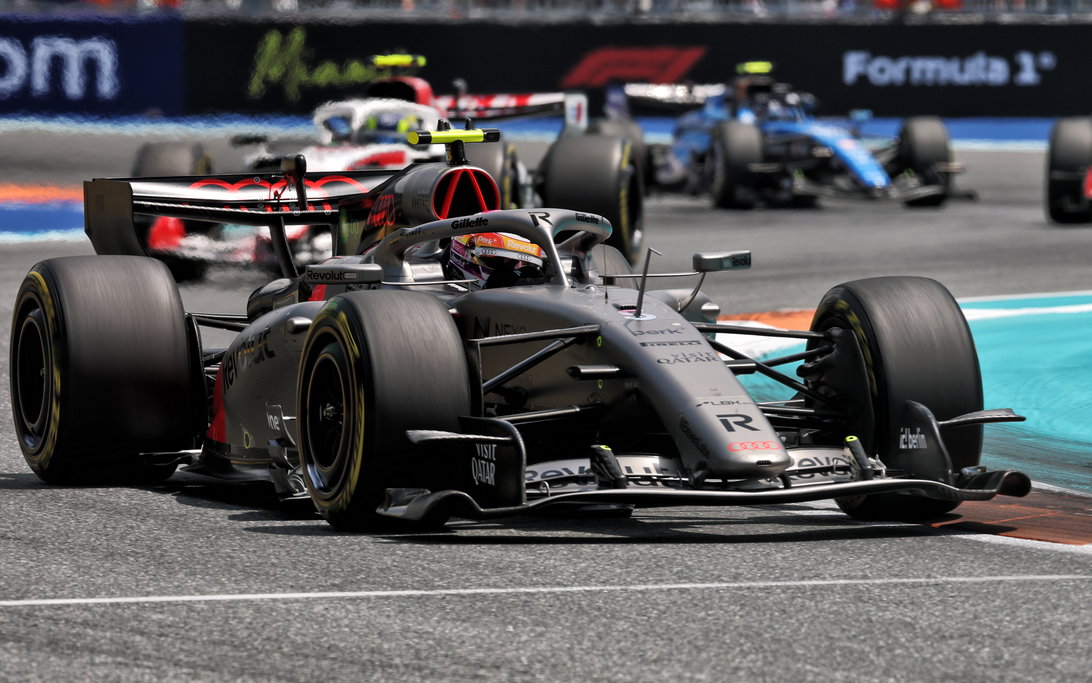
- Esteban Ocon in the Haas showed similar pace but was hampered by a conservative engine mode that cut power deployment after 200 meters as a safety precaution.
- The core advantage stems from Ferrari's 2026 engine architecture, which features a smaller turbo. Without the MGU-H to electrically spool the turbo for instant boost, teams must pre-spin it using engine revs.
- A smaller turbo spins up faster and requires less energy, allowing Ferrari-engined cars to maintain higher gears in corners and achieve the necessary boost pressure for throttle response more easily.
- This translates not just to strong starts but also to notable performance on corner exits, as noted by rival drivers.
- Ocon confirmed the starts are now "predictable and repeatable," a marked improvement from earlier tests, and highlighted that everyone was taking the practice starts seriously with pre-start revving procedures.
What's next:
While testing is inconclusive, the consistency of Ferrari's launch performance across multiple cars and sessions is a promising sign.
- The true test will come at the first race under the 2026 regulations, where grip levels, pressure, and reliability will be fully tested.
- If the advantage holds, it could provide Ferrari and its customer teams with a valuable tool for gaining positions off the line, turning a previous engineering headache into a potential strength.
Don't miss the next lap
Get the deep dives and technical analysis from the world of F1 delivered to your inbox twice a week.
Zero spam. Only high-octane analysis. Unsubscribe anytime.
Join the inner circle
Get the deep dives and technical analysis from the world of F1 delivered to your inbox twice a week.
Zero spam. Only high-octane analysis. Unsubscribe anytime.