FIA Acknowledges High Closing Speeds in Bearman Crash, Urges Patience on Potential Rule Changes
The FIA has confirmed that high closing speeds played a role in Ollie Bearman's Suzuka crash, validating pre-existing safety concerns about the 2026 regulations. While formal review meetings are being scheduled, the governing body warns it is too early to predict specific rule changes, emphasizing the need for detailed analysis first.
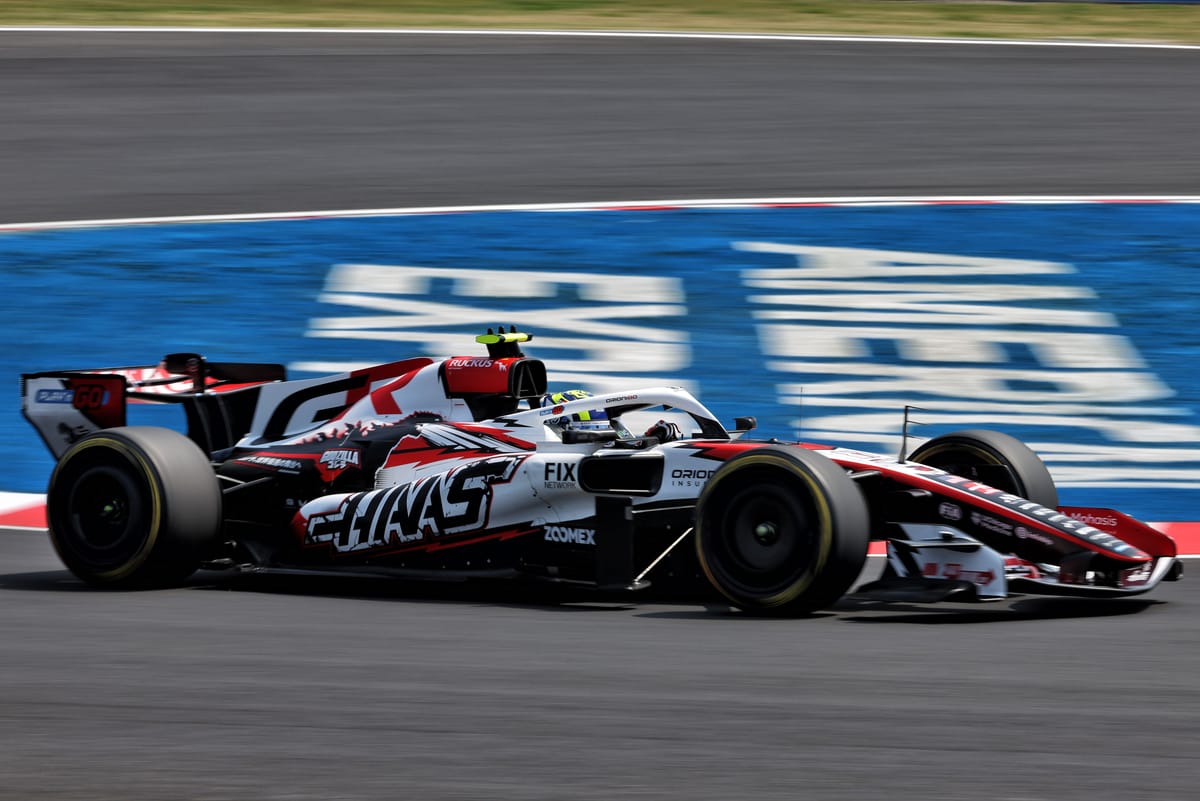
The FIA has formally acknowledged that the significant speed difference between cars contributed to Ollie Bearman's heavy crash at the Japanese Grand Prix, but states it is too early to speculate on specific regulatory changes to address the issue. This incident has intensified ongoing discussions about the safety implications of the 2026 car regulations, particularly concerning energy management and closing speeds.
Why it matters:
The crash has turned a theoretical safety concern, repeatedly voiced by drivers and teams since pre-season testing, into a tangible reality. With the 2026 regulations set to increase the variance in battery levels and electric power deployment between cars, managing the resulting closing speeds becomes a critical safety imperative to prevent more serious accidents in the future.
The details:
- Bearman's 50G impact occurred after he was caught out by a 35km/h speed difference behind Franco Colapinto's car on the approach to the Spoon corner, causing him to jerk left, lose control on the grass, and hit the barrier.
- Colapinto described himself as a "sitting duck" in the situation, joining other drivers in calling for a review of the closing speed phenomenon with the new-generation cars.
- The FIA, in a clarifying statement, confirmed that discussions to improve identified problem areas within the 2026 rules have been ongoing for weeks with F1, teams, manufacturers, and drivers.
- The governing body highlighted that the new regulations contain "a number of adjustable parameters, particularly in relation to energy management," which can be optimized based on real-world data.
What's next:
The formal review process is now accelerating. A key meeting initially planned for after the Chinese Grand Prix has been moved forward to April 9.
- The FIA has scheduled "a number of meetings" to assess the operational reality of the new rules and determine if refinements are needed.
- Any potential adjustments, especially to energy management protocols, will require "careful simulation and detailed analysis" before implementation.
- McLaren Team Principal Andrea Stella emphasized the urgency, stating, "We don't want to wait for things to happen to put actions in place." The FIA, however, maintains that "any speculation regarding the nature of potential changes would be premature" at this stage.
Don't miss the next lap
Get the deep dives and technical analysis from the world of F1 delivered to your inbox twice a week.
Zero spam. Only high-octane analysis. Unsubscribe anytime.
Join the inner circle
Get the deep dives and technical analysis from the world of F1 delivered to your inbox twice a week.
Zero spam. Only high-octane analysis. Unsubscribe anytime.
Continue Reading
View More News