FIA Acknowledges 'Weakness' in Cost Cap After McLaren's Verstappen Engine Query
The FIA has admitted a 'weakness' in Formula 1's cost cap regulations was exposed by McLaren's query over Max Verstappen's engine change. The current rules struggle to distinguish between performance and reliability-driven engine swaps, creating a gray area. This will be resolved with the introduction of a dedicated engine cost cap in 2026, bringing greater clarity and fairness to F1's financial framework.
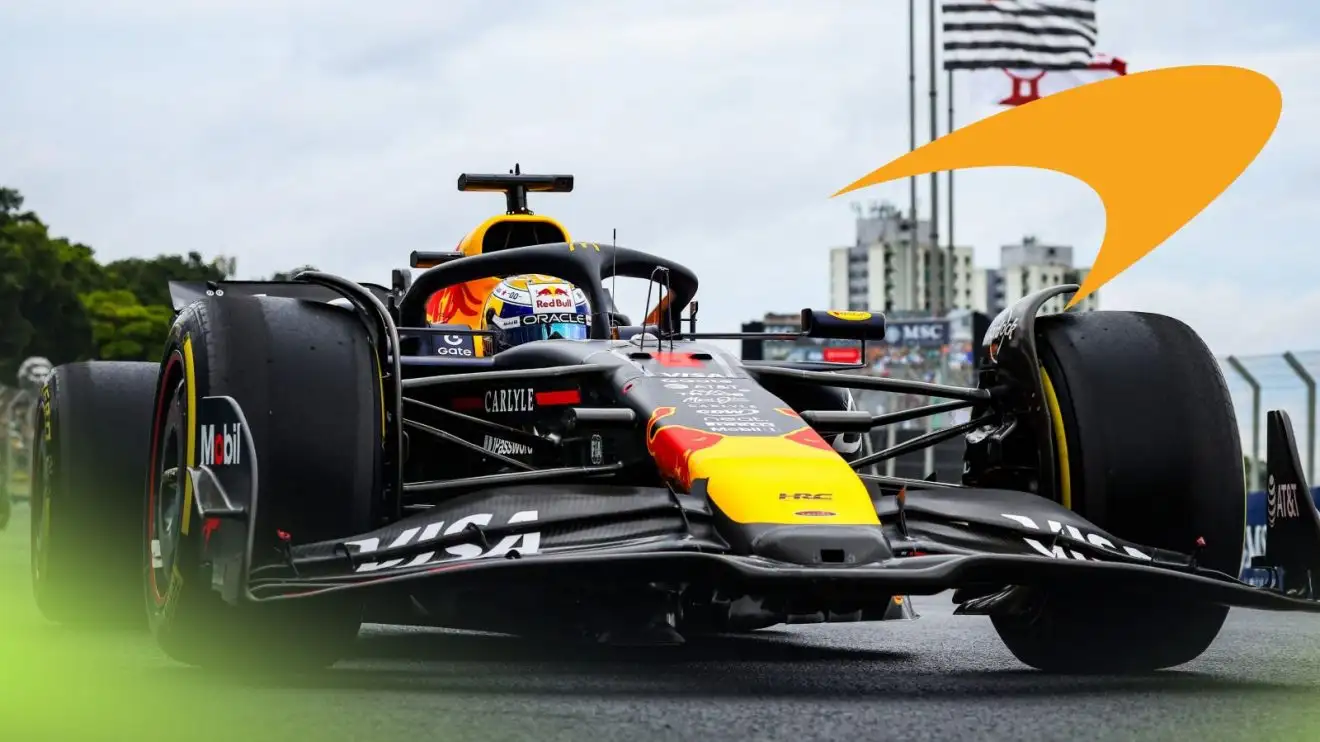
The FIA's single-seater director, Nikolas Tombazis, has admitted that a "weakness" in the current Formula 1 regulations was exposed following McLaren's query regarding the cost cap implications of Max Verstappen's engine change. Red Bull introduced a new power unit for Verstappen in Brazil, alongside setup changes, prompting McLaren to question how this would be accounted for under cost cap compliance. Tombazis confirmed this issue will be addressed with the introduction of an engine-specific cost cap in 2026.
Why it matters:
McLaren's query highlighted a significant gray area in F1's current financial regulations, specifically regarding engine changes. The distinction between engine changes for performance versus reliability has direct implications for a team's budget, and the current rules lack clarity. Resolving this "weakness" is crucial for maintaining fairness and transparency in F1's increasingly stringent financial landscape, especially as the sport moves towards a more sustainable and equitable competitive environment with new engine regulations in 2026.
The details:
- Verstappen's Engine Change: In Brazil, Red Bull fitted a new power unit to Max Verstappen's car, coinciding with setup adjustments that led to him starting from the pit lane.
- McLaren's Query: McLaren Team Principal Andrea Stella raised concerns about how this engine change would be treated under the cost cap, questioning if it should be counted if changed for performance reasons.
- The Nuance of Engine Changes: Former Haas Team Principal Guenther Steiner clarified that engine changes due to failure (reliability) are typically excluded from the budget cap, while new engine installations for performance are expected to be included.
- FIA's Acknowledgment: Nikolas Tombazis admitted that the FIA struggles to differentiate between reliability and strategic engine changes, describing this ambiguity as a "weakness" in the current technical, sporting, and financial regulations.
- Current Approach: The FIA has largely accepted these changes without delving into their specific cost cap impact due to a lack of expertise in definitively categorizing them.
What's next:
The identified "weakness" in the current regulations is set to be fully resolved with the introduction of an engine cost cap for power unit manufacturers starting in F1 2026.
- This new regulation will make strategic engine changes financially unviable for manufacturers, as each change will directly impact their budget, effectively creating a "natural mechanism" to prevent such ambiguities.
- Tombazis emphasized that the 2026 engine cost cap will eliminate this topic of discussion, ensuring greater clarity and compliance for all teams and power unit suppliers in the future. This move underscores F1's commitment to robust financial governance as the sport evolves. These changes align with the significant regulatory overhaul for F1 2026, which includes new power unit specifications and potential shifts in the driver market and team compositions.