FIA Adjusts F1 Engine Rules Following Mercedes Controversy
The FIA will implement new engine inspection rules in June 2026, not August, following concerns over a Mercedes innovation. The rules now require compression ratio checks at 130°C, potentially allowing Mercedes an early-season advantage before the stricter tests begin.
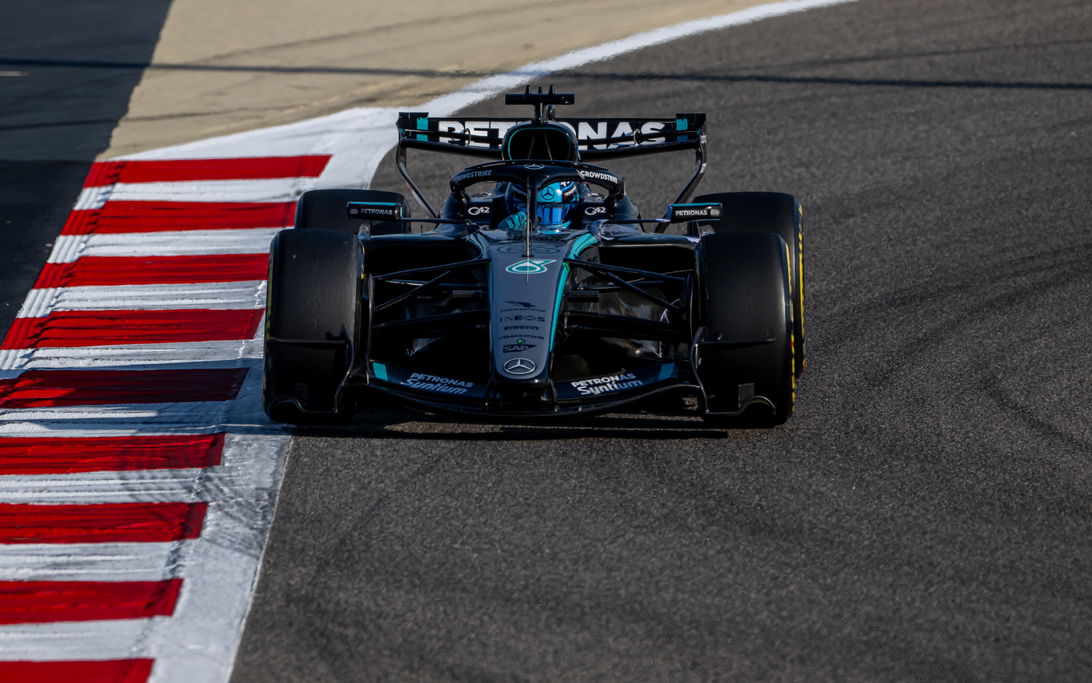
The FIA has moved the enforcement date for new engine inspection rules to June 1, 2026, allowing Mercedes to potentially retain a speculated performance advantage for the first seven races of the new regulatory era. The updated technical regulations now require compression ratio checks at a hot 130°C in addition to traditional ambient-temperature tests, a change reportedly prompted by concerns over a Mercedes engine innovation.
Why it matters:
This regulatory adjustment addresses a simmering technical controversy that threatened to create an uneven playing field at the start of F1's new engine era in 2026. The compromise—delaying the new checks but formalizing them—aims to balance competitive fairness with the practicalities of enforcing new technical standards, impacting the early-season development race for all power unit manufacturers.
The details:
- The core change is in Article C5.4.3 of the technical regulations, which now mandates compression ratio measurements under two conditions: at ambient temperature and at a heated 130°C.
- New Timeline: The dual-condition testing will now take effect from June 1, 2026, rather than the initially planned August 1 start. This covers the period until December 31, 2026.
- Reports suggest that from 2027 onward, measurements may be taken only in hot conditions, though this is not officially confirmed.
- The rule explicitly prohibits any component or mechanism designed to allow the compression ratio to exceed the 16.0 limit during actual operation.
- Mercedes' rivals have suggested the team's engine 'trick' could provide a significant advantage, though Mercedes itself has downplayed its importance.
What's next:
The delayed implementation means the opening phase of the 2026 season will be run under the previous inspection standard, potentially benefiting Mercedes-powered teams like the works squad, McLaren, and Williams in the initial championship standings. All eyes will now be on whether rival manufacturers can close any perceived performance gap before the new checks begin in June, setting the stage for a mid-season technical and strategic pivot.
Don't miss the next lap
Get the deep dives and technical analysis from the world of F1 delivered to your inbox twice a week.
Zero spam. Only high-octane analysis. Unsubscribe anytime.
Join the inner circle
Get the deep dives and technical analysis from the world of F1 delivered to your inbox twice a week.
Zero spam. Only high-octane analysis. Unsubscribe anytime.
Continue Reading
View More News