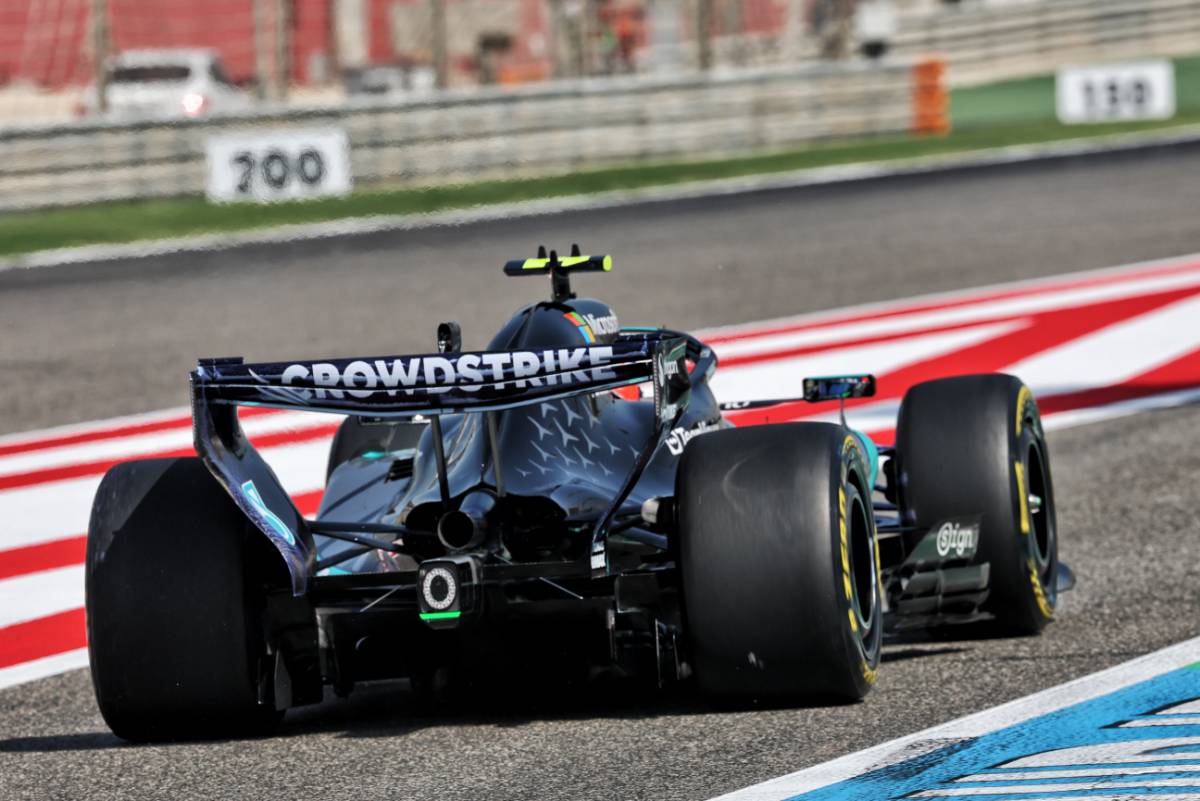
FIA Closes Mercedes Engine Loophole Ahead of 2026 Season
The FIA has unanimously amended the 2026 power unit regulations to close a loophole related to engine compression ratio measurements. The change, accelerated to take effect in June 2026, mandates checks under hot operating conditions after rivals suspected Mercedes of exploiting a cold-condition rule. Mercedes, after initial resistance, agreed to the change under pressure from other manufacturers, averting a potential protest as the new season begins.
The FIA has moved decisively to close a controversial technical loophole in the 2026 power unit regulations, unanimously approving an amendment that mandates compression ratio checks under hot operating conditions. The change, accelerated to take effect from June 1, 2026, directly addresses rival teams' suspicions that Mercedes had exploited a rule measuring the ratio only in cold, ambient conditions to gain a performance advantage once the engine was at full temperature.
Why it matters:
This swift regulatory action draws a line under one of the first major technical-political disputes of F1's new engine era, which begins in 2026. Closing the loophole ensures a level playing field and upholds a key regulation designed to control costs and attract new manufacturers. The episode highlights the intense, continuous technical arms race and the political pressure teams exert even before a new formula's first race.
The details:
- The core issue was the mandated 16:1 compression ratio limit for the new 2026 power units. The original rule specified this ratio be measured only in cold conditions.
- Rivals suspected Mercedes engineered its power unit to stay within the cold limit but then exploit thermal expansion to exceed it at full operating temperature, gaining a significant power advantage.
- The FIA's amendment, approved by all power unit manufacturers, now requires the ratio to be controlled in both hot and cold conditions from June 1, 2026, and solely in hot operating conditions (130°C) from 2027 onward.
- Mercedes team principal Toto Wolff's stance evolved significantly. He initially argued a mid-season change would "screw" his team but later framed agreeing to the change as an act of "good citizens in the sport," citing immense pressure from the four other manufacturers.
- Wolff admitted Mercedes was prepared for a potential protest in Melbourne but chose to avoid a protracted political battle on the eve of the new era, stating the performance difference was not worth the fight.
What's next:
With this particular dispute settled, focus shifts to the track as the 2026 season begins in Australia. The FIA noted that "further evaluation and technical checks on energy management matters are ongoing," suggesting this may not be the last technical clarification required for the radically new regulations. While Mercedes has conceded this battle, the incident is a reminder that ingenuity and regulatory interpretation will remain at the forefront of F1's competitive development war.
Don't miss the next lap
Get the deep dives and technical analysis from the world of F1 delivered to your inbox twice a week.
Zero spam. Only high-octane analysis. Unsubscribe anytime.
Join the inner circle
Get the deep dives and technical analysis from the world of F1 delivered to your inbox twice a week.
Zero spam. Only high-octane analysis. Unsubscribe anytime.
Continue Reading
View More News